









Introduction
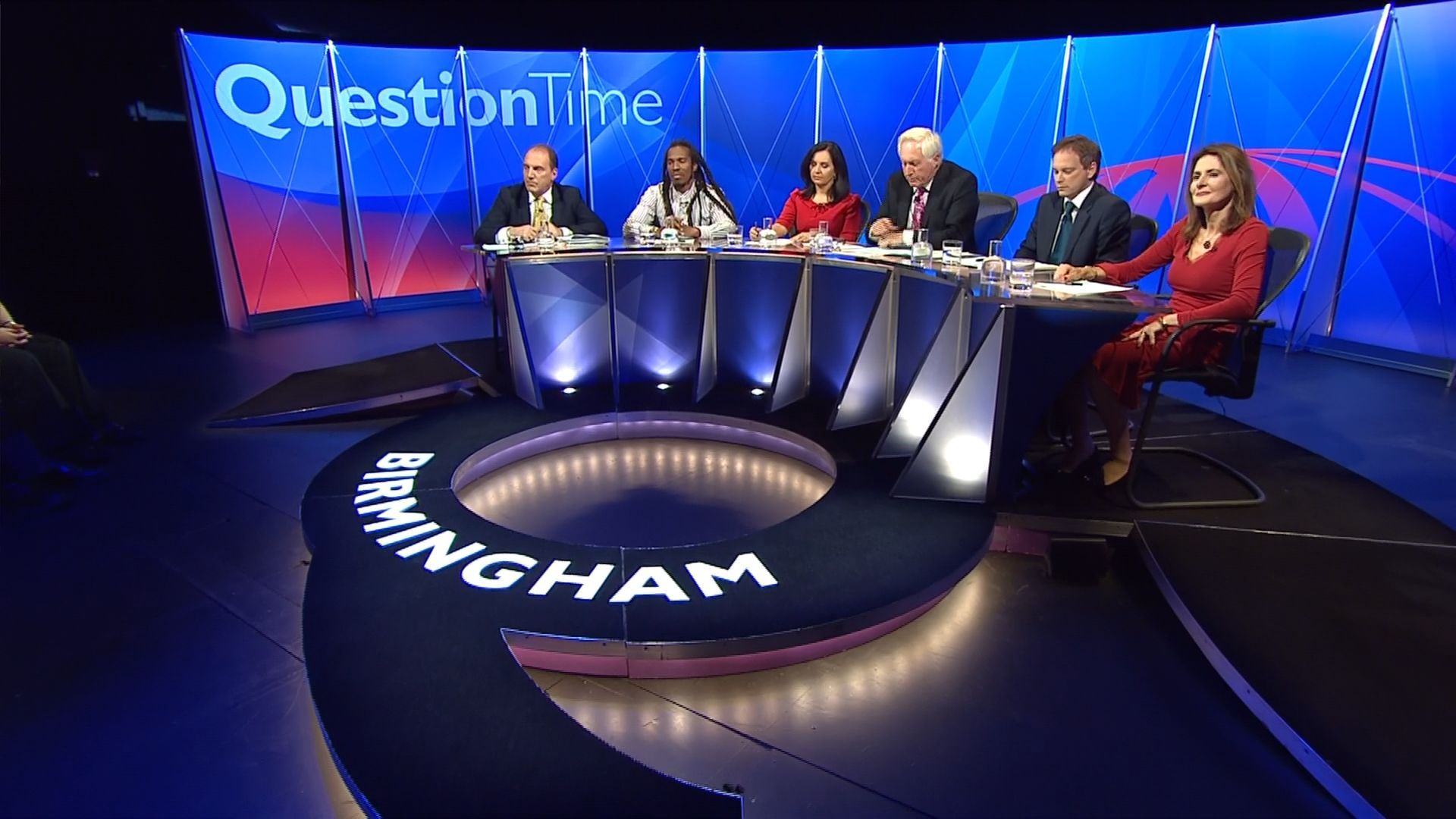
Question Time is a pivotal element of the United Kingdom’s parliamentary system, where Members of Parliament (MPs) engage with government ministers, including the Prime Minister. This session allows MPs to scrutinise the actions and policies of the government, providing a crucial platform for democratic accountability. With its historical roots and contemporary significance, Question Time remains essential for transparency and public engagement in governance.
Main Body: The Mechanics of Question Time
Held typically every Thursday afternoon, Question Time consists of a series of questions directed mainly at the Prime Minister, as well as other ministers. The session is set in the House of Commons, and the Speaker of the House manages the proceedings. Each week, a designated number of MPs’ questions are selected, ensuring that a significant range of issues are raised, from health and education to international relations and economic policies.
During recent sessions, Question Time has illuminated key issues facing the UK government, such as the ongoing debates about energy policies in light of climate change, the aftermath of the COVID-19 pandemic, and discussions around economic recovery. For instance, Prime Minister Rishi Sunak has faced tough questioning regarding the rise in living costs and government measures to alleviate financial pressures on households. Such exchanges not only reflect the government’s stance but also highlight public concerns, as MPs represent the voices of their constituents.
Noteworthy Moments in Question Time History
Historically, Question Time has produced memorable moments that resonate with the public and influence political discourse. One such instance was in 2020, when Prime Minister Boris Johnson faced intense scrutiny during the pandemic’s onset. His responses—and the effectiveness of his government’s strategy—were under the spotlight, demonstrating the importance of this parliamentary practice in shaping public perception and holding the government accountable.
Conclusion: The Future of Question Time
Looking ahead, Question Time will continue to play a significant role in UK governance, especially as the political landscape evolves with new challenges. The format may adapt to include more digital engagement and outreach, reflecting the changing dynamics of communication and public expectation. It remains vital for citizens to stay informed and engaged with these discussions, as active participation in democracy is key to ensuring that government actions reflect the will of the people.
In summary, Question Time serves as a barometer of government performance and a vital check on power, making it a cornerstone of UK democracy.