






Introduction
North Macedonia, a Balkan country in Southeast Europe, has garnered international attention for its rich cultural heritage and complex political landscape. After gaining independence from Yugoslavia in 1991, North Macedonia has made strides towards developing a stable democracy, enhancing economic growth, and integrating with European institutions. The significance of North Macedonia lies not only in its strategic geopolitical position but also in its ethnic diversity and potential for tourism.
Geographical and Cultural Overview
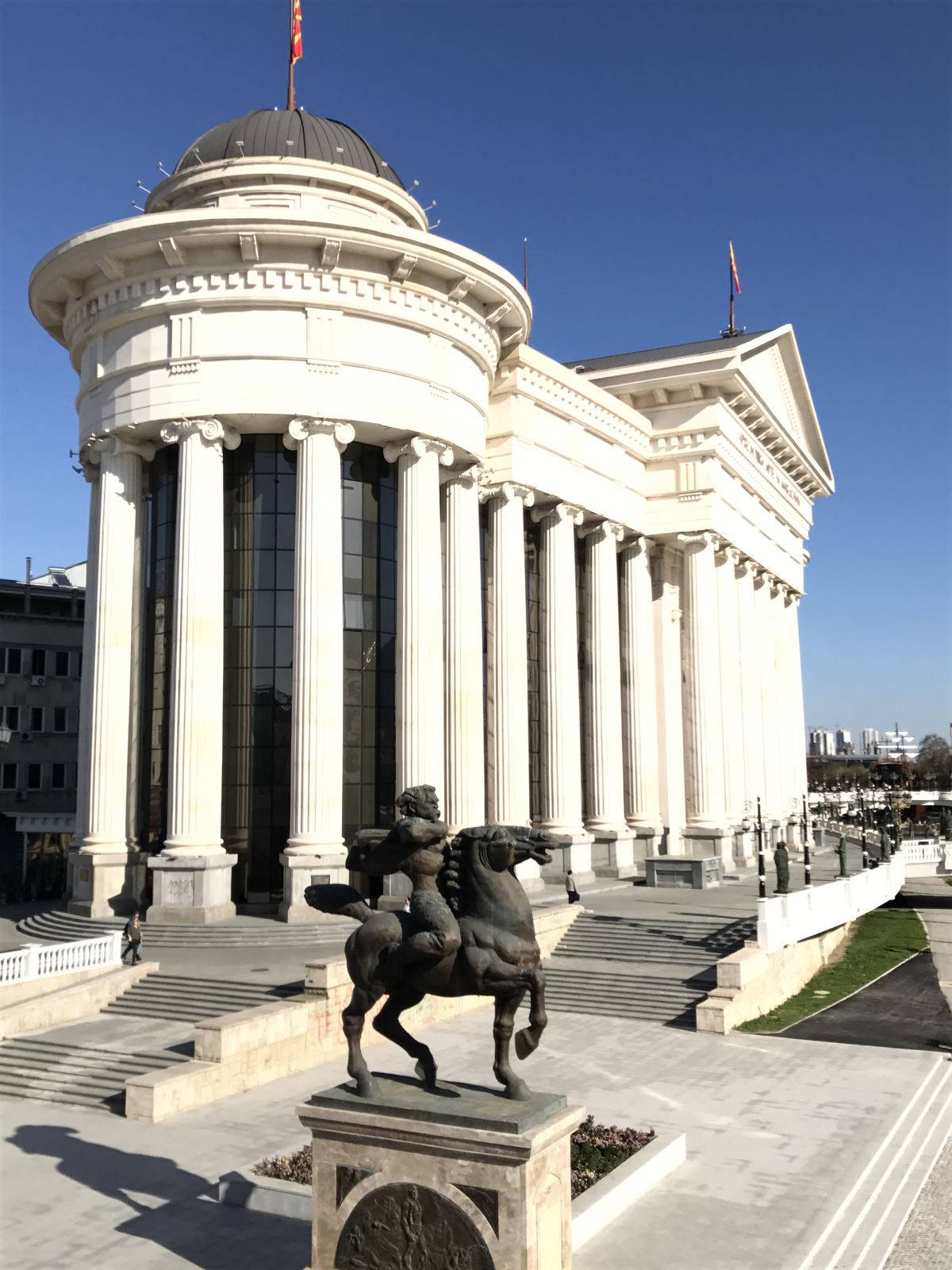
Located in the heart of the Balkans, North Macedonia is bordered by Kosovo, Serbia, Bulgaria, Greece, and Albania. Its varied landscape features mountains, lakes, and rivers, making it a natural gem for both locals and visitors alike. The capital, Skopje, is known for its historical architecture, such as the Stone Bridge and the ancient fortress of Kale. The nation boasts a vibrant culture influenced by various civilizations, including Romans, Ottomans, and Slavs, resulting in a unique blend of traditions and customs.
Recent Developments and Events
As of 2023, North Macedonia is experiencing a mixture of challenges and opportunities. The country is in the process of implementing reforms necessary for EU accession, which has been a prominent goal since it officially became a candidate in 2005. Additionally, North Macedonia’s relationship with neighbouring countries, particularly Greece and Bulgaria, has evolved, leading to greater regional cooperation. However, internal political tensions continue to affect its development, causing debates around national identity and language to surface.
Economic Growth and Tourism
Despite its challenges, North Macedonia has shown potential for economic diversification and growth. The government has focused on attracting foreign investment, especially in sectors such as technology and tourism. The natural beauty of places like Ohrid Lake, a UNESCO World Heritage site, is a major draw for tourists. Efforts are being made to improve infrastructure and promote cultural sites to enhance tourism further, which is critical for the economy.
Conclusion
North Macedonia stands at a crossroads between tradition and modernity. Its rich history, cultural heritage, and ongoing efforts towards EU integration make it a country to watch in Southeast Europe. As it continues to address internal and external challenges, the future looks promising for North Macedonia. The nation’s ability to navigate these complexities could serve as a model for other Balkan states striving for stability and progress.