








Introduction
New Guinea, the world’s second-largest island, is renowned for its incredible biodiversity and rich cultural heritage. As the home to thousands of different species and over 800 indigenous languages, New Guinea is a critical area for both ecological research and anthropological study. Understanding this unique island is vital to appreciating the diversity of the planet’s cultures and ecosystems.
The Biodiversity of New Guinea
New Guinea’s forests and wetlands are among the most diverse ecosystems in the world. According to the WWF, the island is home to around 700 species of birds, including the famous Birds of Paradise, and a plethora of unique flora and fauna. Efforts to conserve its unique environment have been intensified, especially in the face of deforestation and climate change. Recent studies indicate that about 40% of the island is still covered by pristine rainforest, which scientists deem essential not just for the region but for global biodiversity.
Cultural Heritage
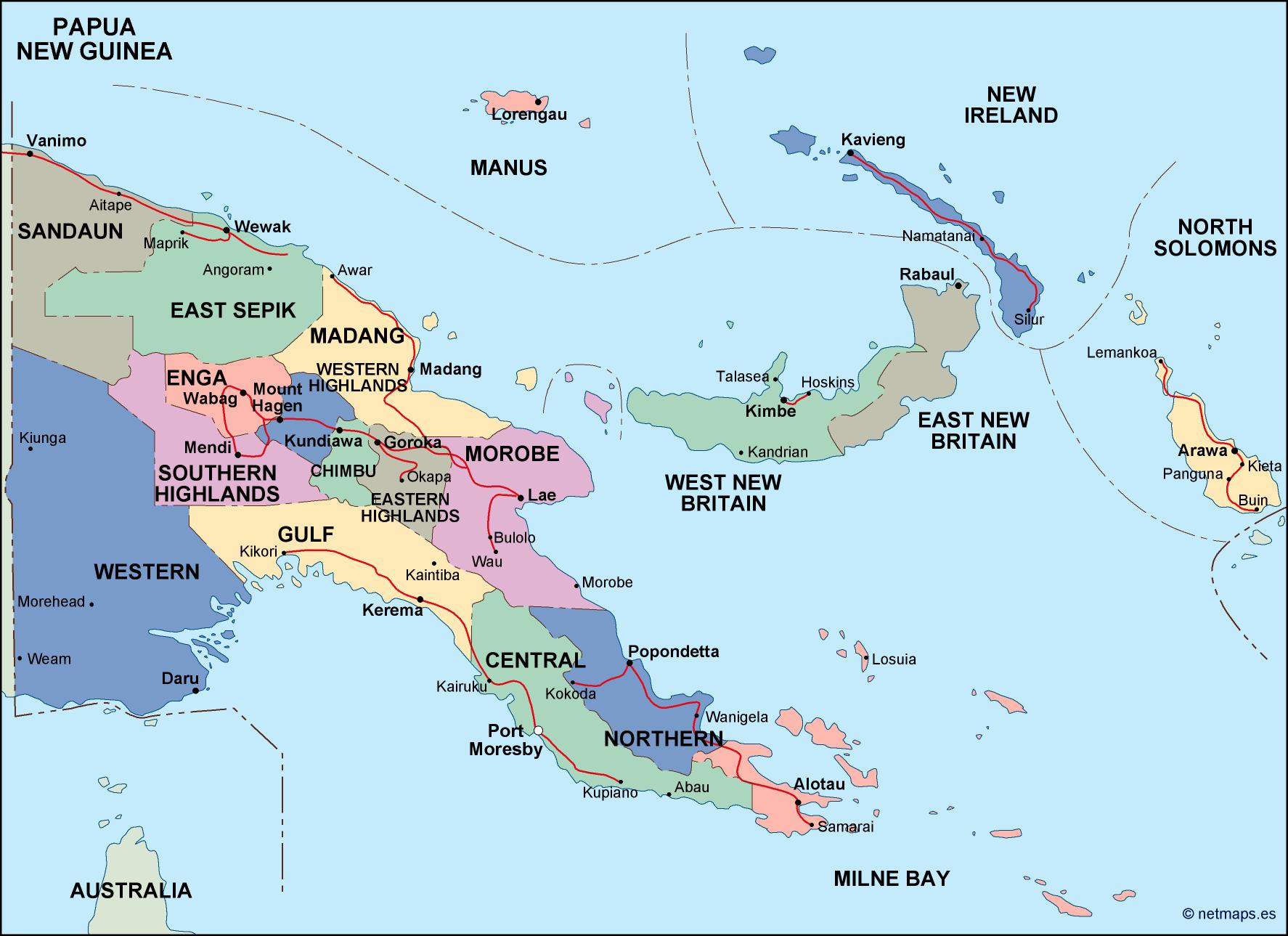
The cultural landscape of New Guinea is as diverse as its wildlife. Over 250 distinct ethnic groups inhabit the island, each with its own language, customs, and beliefs. Notably, the Highlands region is famous for its elaborate tribal ceremonies and traditional art forms. In recent weeks, the rise of digital technology has provided new avenues for preserving and sharing these cultures, allowing indigenous voices to be heard on global platforms.
Current Events and Challenges
In recent news, New Guinea has faced challenges from external mining and logging interests, threatening both its environment and the indigenous way of life. The government has been under pressure to balance economic development with environmental conservation. In August 2023, the PNG government announced a new initiative aimed at protecting its unique ecosystems while promoting sustainable tourism, an effort that has drawn mixed reactions from various stakeholders.
Conclusion
New Guinea presents a unique intersection of culture and biodiversity that is increasingly important in today’s global context. As the world grapples with environmental challenges and cultural preservation, the strategies adopted in New Guinea could serve as a model for other regions. Ensuring the protection of its resources while allowing its communities to thrive remains crucial. The future of New Guinea will undoubtedly have significant implications for both the Pacific region and biodiversity as a whole.