









Introduction
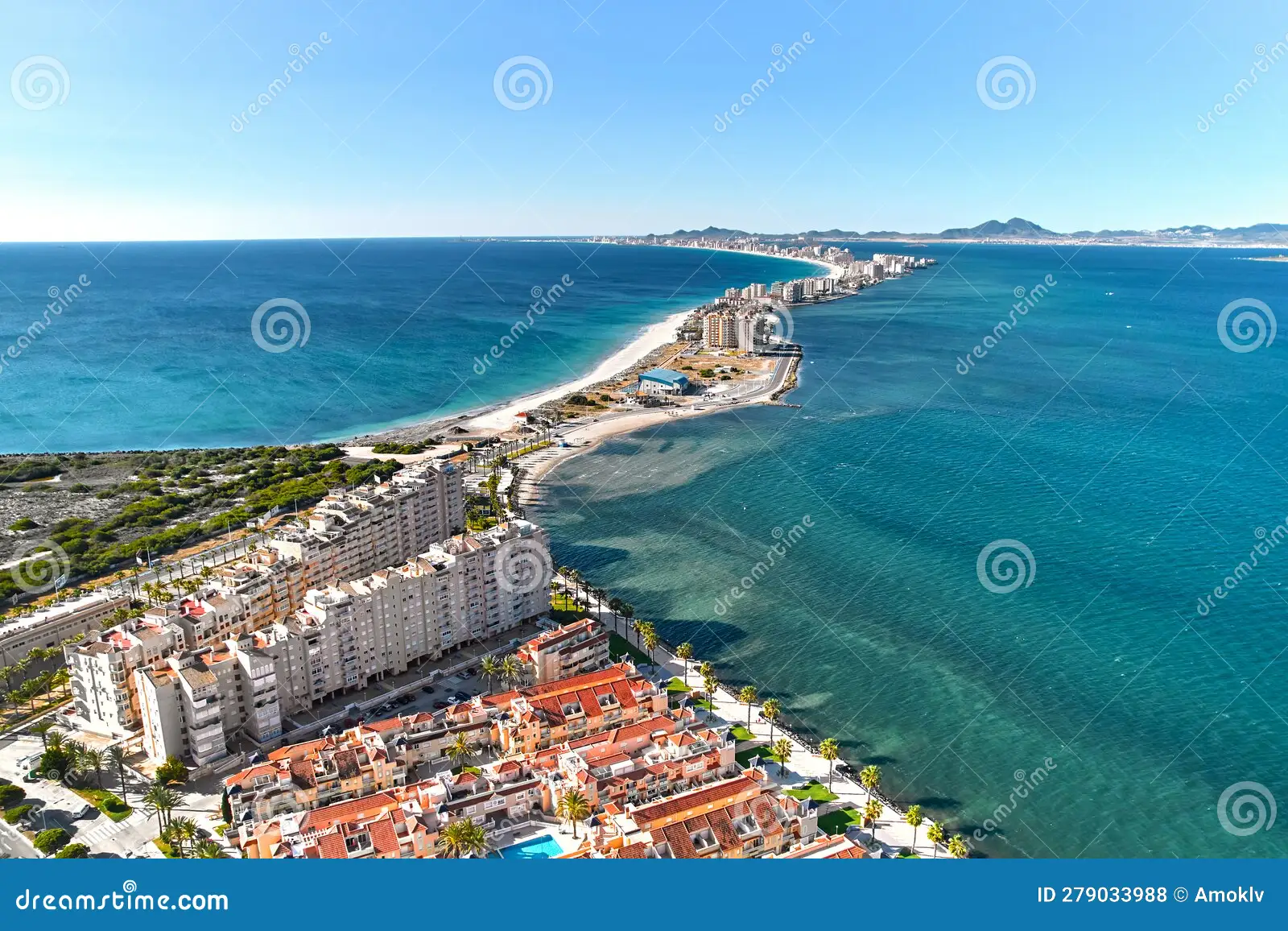
The Mar Menor, a large coastal saline lagoon situated in the Murcia region of Spain, holds immense ecological and cultural importance. Spanning approximately 170 square kilometres, it is Europe’s largest saltwater lagoon and is renowned for its rich biodiversity, making it a critical habitat for various marine species. However, it faces increasing environmental threats, prompting urgent discussions about its conservation and sustainable management.
Current Environmental Issues
In recent years, the Mar Menor has suffered from severe ecological degradation primarily due to human activities, namely agricultural runoff, urban development, and tourism pressure. The introduction of chemicals and nutrients into the lagoon has led to significant problems such as algal blooms, which deplete oxygen levels and disrupt the local marine ecosystem. A stark example occurred in 2021, when mass fish die-offs were reported, highlighting the dire state of the lagoon’s water quality.
The Spanish government has recognised these challenges, introducing measures aimed at restoring the Mar Menor. These include stricter controls on agricultural practices in the surrounding areas, alongside initiatives to improve the lagoon’s water quality and promote biodiversity. Furthermore, local communities and environmental groups have mobilised to advocate for the lagoon’s preservation, launching campaigns to raise awareness and rally public support for urgent action.
Relevance to Local Communities
The Mar Menor is not just an ecological gem but also a vital economic asset for the surrounding communities, which rely heavily on tourism, fishing, and agriculture. As the lagoon’s health deteriorates, so too does the economic livelihood of these communities. In response, many local businesses have begun advocating for sustainable tourism practices that aim to protect and restore the lagoon’s natural environment while still benefiting economically.
Conclusion
The Mar Menor presents a unique case study of the intersection between ecology and economy, illustrating the consequences of environmental neglect in a region dependent on natural resources. As conversations around sustainability grow louder, the ongoing efforts to rehabilitate and protect the Mar Menor could serve as a blueprint for similar ecosystems facing threats worldwide. The future of this beautiful region hinges on the collective efforts of government, local communities, and visitors to ensure its preservation for generations to come.