









Introduction
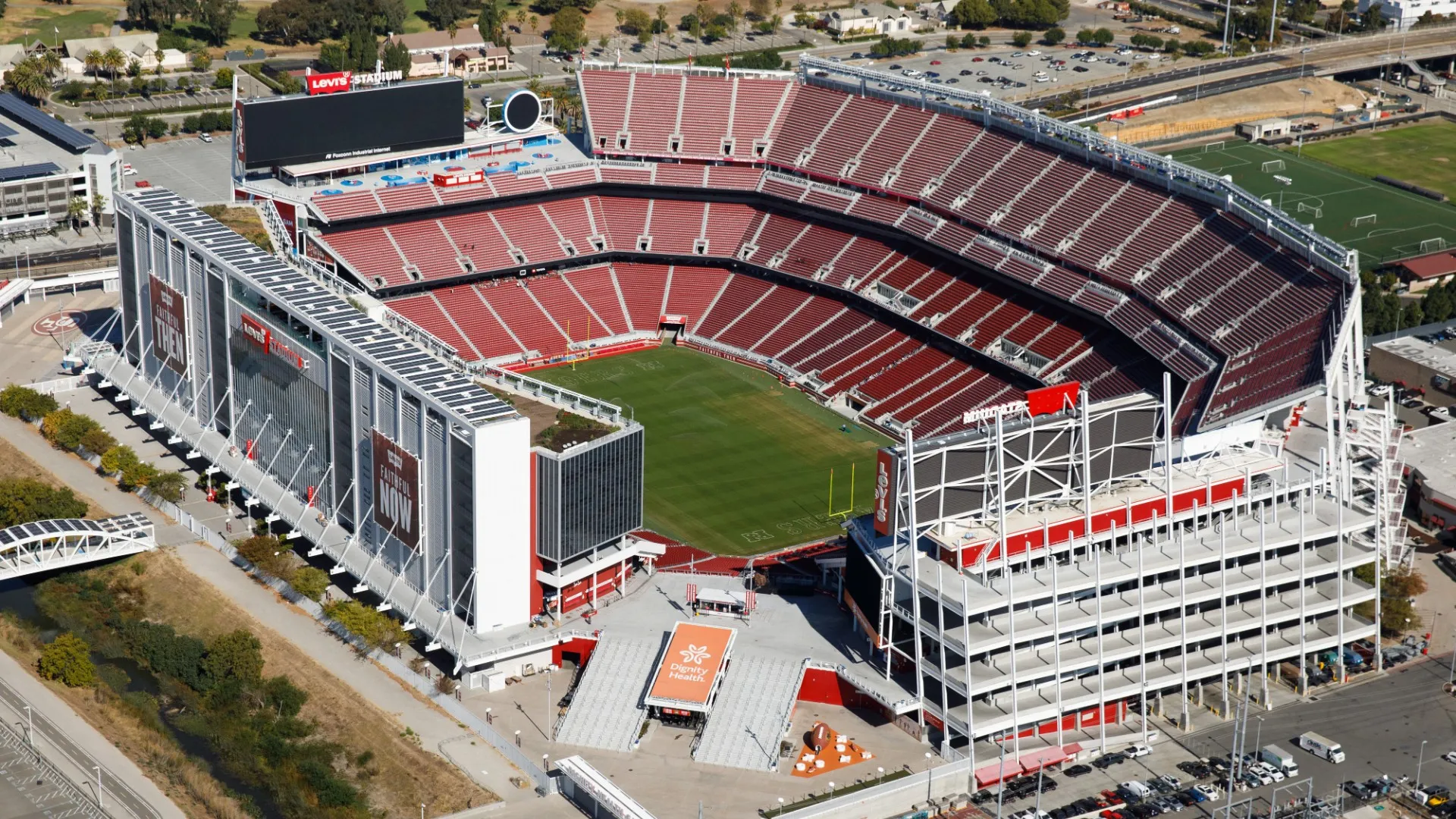
Levi’s Stadium, located in Santa Clara, California, is one of the premier venues in the United States for sports and entertainment. Opened in 2014, it serves as the home of the NFL’s San Francisco 49ers and has hosted numerous high-profile events, including Super Bowl 50 and various concerts. Understanding its capacity is crucial for fans, event organizers, and city planners, as it impacts ticket sales, crowd management, and the overall experience provided at the venue.
Seating Capacity
Levi’s Stadium has a seating capacity of approximately 68,500 for football games, with the ability to expand this number to around 75,000 for concerts and special events. The stadium’s design incorporates modern architectural elements and advanced technology, enhancing the spectator experience while accommodating large crowds efficiently. The seating is arranged in a manner that provides excellent views of the field from almost every angle, contributing to its popularity among both fans and event planners.
Events and Usage
Since its opening, Levi’s Stadium has not only been the home ground for the 49ers but has also hosted major concerts and events, including performances by Taylor Swift, Coldplay, and more. The varied uses of the stadium demonstrate its adaptability and importance within the entertainment industry. Its capacity plays a significant role during these events, as it allows for a diverse audience while ensuring safety and comfort.
Management and Future Outlook
As Levi’s Stadium continues to host a variety of events, the management team remains focused on enhancing facilities and services, ensuring that the venue remains attractive for both fans and performers. With considerations for events such as the FIFA World Cup in 2026, which may seek to utilise the stadium, discussions about potential expansions or modifications to its capacity and facilities are ongoing. The future of Levi’s Stadium looks promising as it aims to remain a central hub for sports and entertainment in California.
Conclusion
In conclusion, the seating capacity of Levi’s Stadium, along with its modern amenities and strategic location, positions it as an essential venue for both sporting events and concerts. The ability to adapt its capacity for different events enhances its significance in the region and on a national level. For fans, it signifies a chance to be part of thrilling experiences, while for city planners, it represents an opportunity to boost local economy through tourism and events.