








Introduction
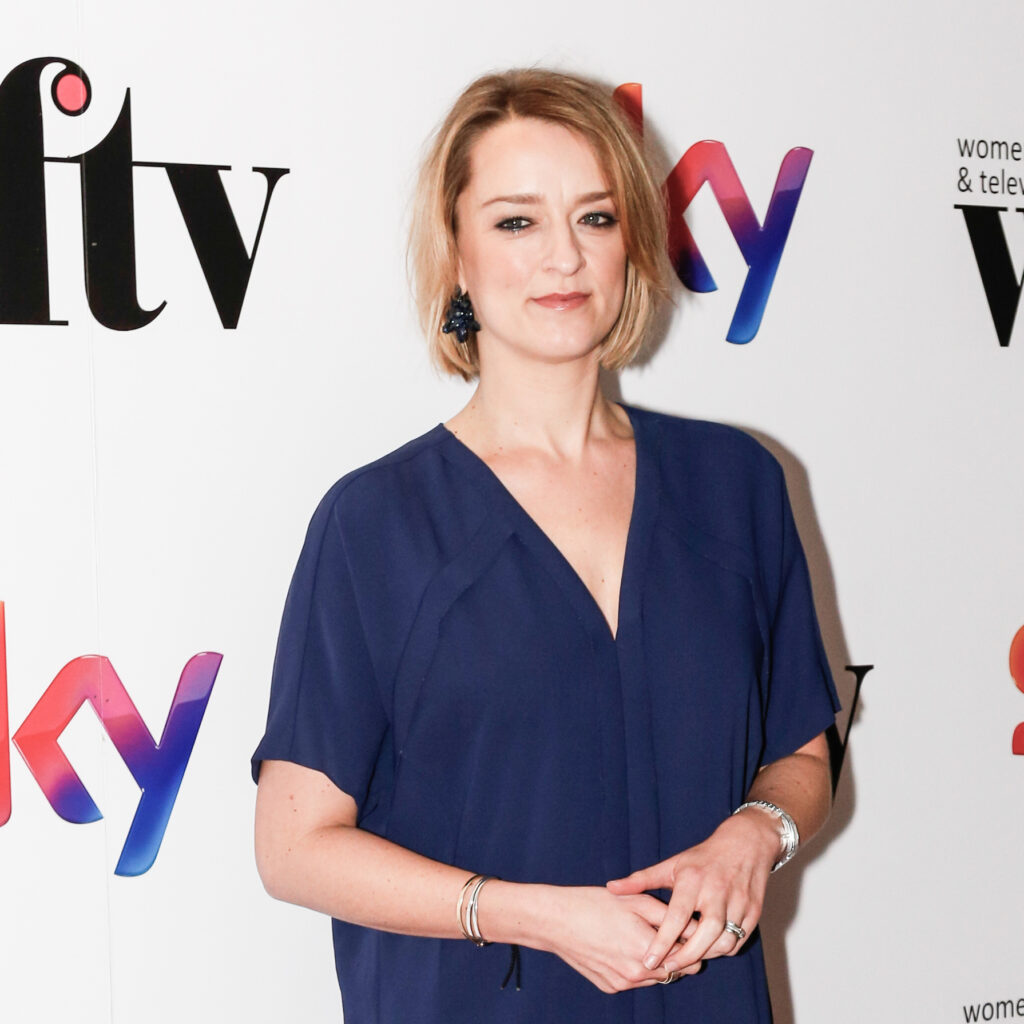
Laura Kuenssberg has established herself as a prominent figure in British journalism, particularly in the realm of political reporting. As the first woman to hold the position of BBC’s Political Editor, her work has been instrumental in shaping public discourse around politics in the UK. With a career marked by high-profile interviews and political scoops, Kuenssberg has become a household name, guiding public understanding of complex political issues.
Career Highlights
Kuenssberg began her journalistic career in 2000, working for the BBC and gradually ascending through various roles. Her breakthrough came when she became the BBC’s Chief Political Correspondent in 2015, a position from which she provided extensive coverage of the Brexit referendum and the subsequent political fallout. In 2015, she was appointed as the BBC’s Political Editor, succeeding Nick Robinson, and has since gained recognition for her incisive analysis and reporting.
Recent Developments
Recently, Kuenssberg has been at the forefront of major political events, including the 2022 local elections and ongoing developments within the Labour Party. She has consistently harnessed social media platforms, empowering her audience with real-time updates and insights. Her analytical style and ability to dissect complex narratives have made her a sought-after voice in newsrooms and a respected figure in political circles.
Public Reception and Critique
Despite her success, Kuenssberg’s work does not come without controversy. Some critics argue that her approach to reporting can be overly critical of certain political figures, while her supporters defend her commitment to journalistic integrity. Regardless, she has adapted to the changing media landscape, engaging with both supporters and detractors in an effort to maintain transparency in her reporting.
Conclusion
Laura Kuenssberg continues to significantly impact political journalism in the UK, providing a vital service to the public by delivering accurate, timely news. As political dynamics evolve, her role will likely remain crucial in bridging the gap between governmental decisions and public understanding. Looking ahead, Kuenssberg is poised to navigate the challenges of an increasingly complex political environment, reaffirming her status as a leading journalist of our time.