









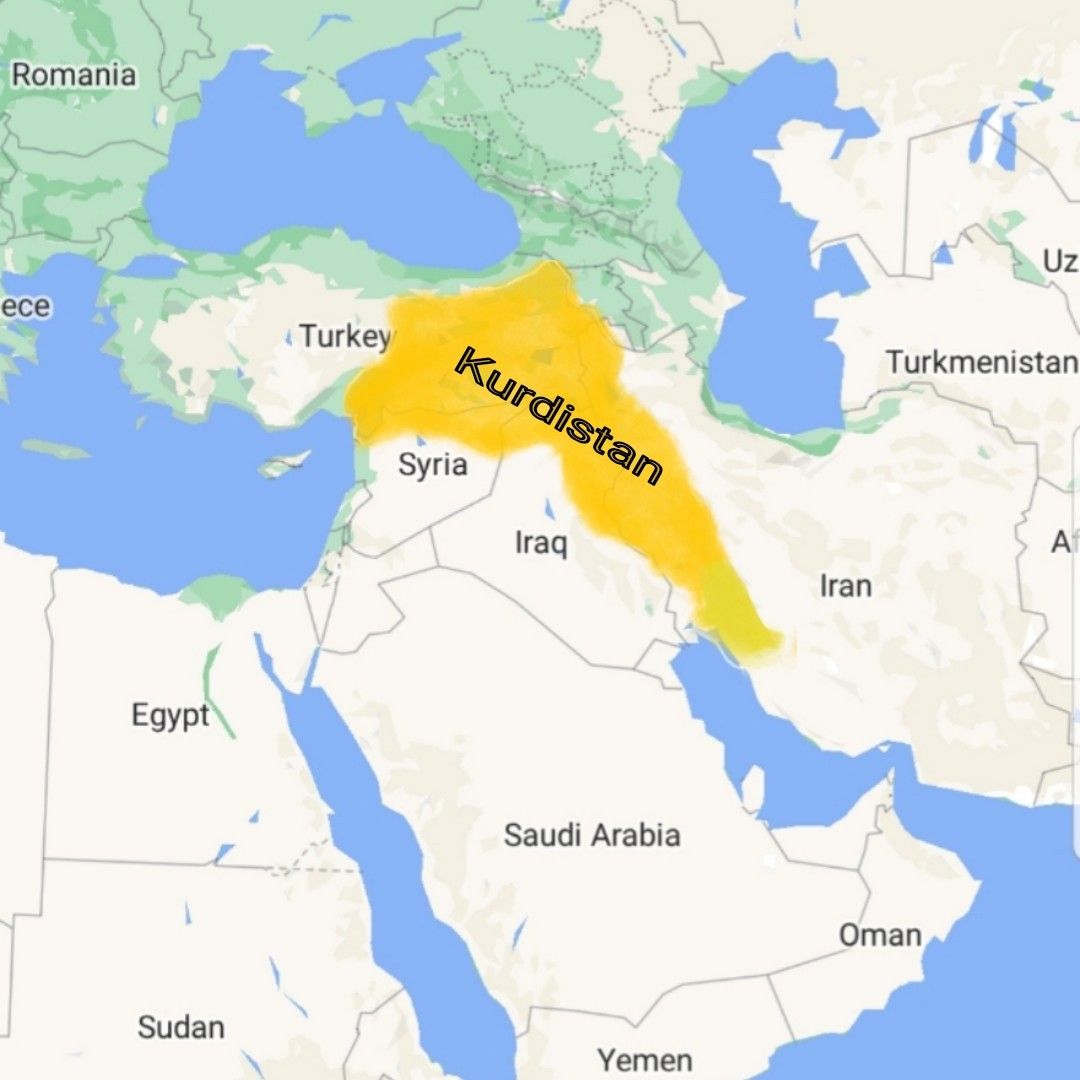
Introduction to Kurdistan
Kurdistan, an autonomous region straddling Iraq, Turkey, Iran, and Syria, has emerged as an important geopolitical area in recent years. Its strategic significance is heightened by its rich natural resources, cultural diversity, and ongoing political struggles. Understanding the developments in this region is crucial not only for those interested in Middle Eastern affairs but also for global politics, energy security, and human rights.
Recent Developments in Kurdistan
In late 2023, tensions in the Kurdistan region have escalated due to various factors including political disagreements, economic challenges, and security issues. The Iraqi government has been at odds with the Kurdistan Regional Government (KRG) over oil revenue sharing and budget allocations. On 3rd October, Kurdish officials announced a strike due to unpaid salaries which spurred protests across multiple cities in the region.
Moreover, the ongoing situation with the PKK (Kurdistan Workers’ Party), which Turkey considers a terrorist organisation, continues to complicate regional relations. Turkey has intensified its military operations against PKK bases in Northern Iraq, further straining its already complex relationship with the KRG.
The Humanitarian Situation
The humanitarian crisis in Kurdistan is also a pressing issue. Approximately 1.5 million displaced Iraqis, including a significant number of ethnic Kurds fleeing violence from ISIS and other conflicts, have sought refuge in the region. With health services stretched thin and economic conditions faltering, aid organisations are calling for increased international assistance to meet the growing needs of these vulnerable populations.
Future Outlook for Kurdistan
Looking ahead, the future of Kurdistan remains uncertain, primarily due to its political fragility and economic reliance on oil exports. Observers suggest that fostering dialogue between the KRG and Baghdad is crucial to establish stability and mutual agreement over grievances. International engagement will also be vital in addressing Kurdish autonomy aspirations, alongside the challenges brought by regional powers like Turkey and Iran.
Conclusion
The significance of Kurdistan cannot be overstated, as it stands at the crossroads of numerous geopolitical interests. As tensions rise and humanitarian needs grow, it is essential for regional and global stakeholders to closely monitor developments in the region. With its rich cultural heritage and aspirations for self-determination, Kurdistan’s journey is pivotal not just for its people but for the broader dynamics of the Middle East.