









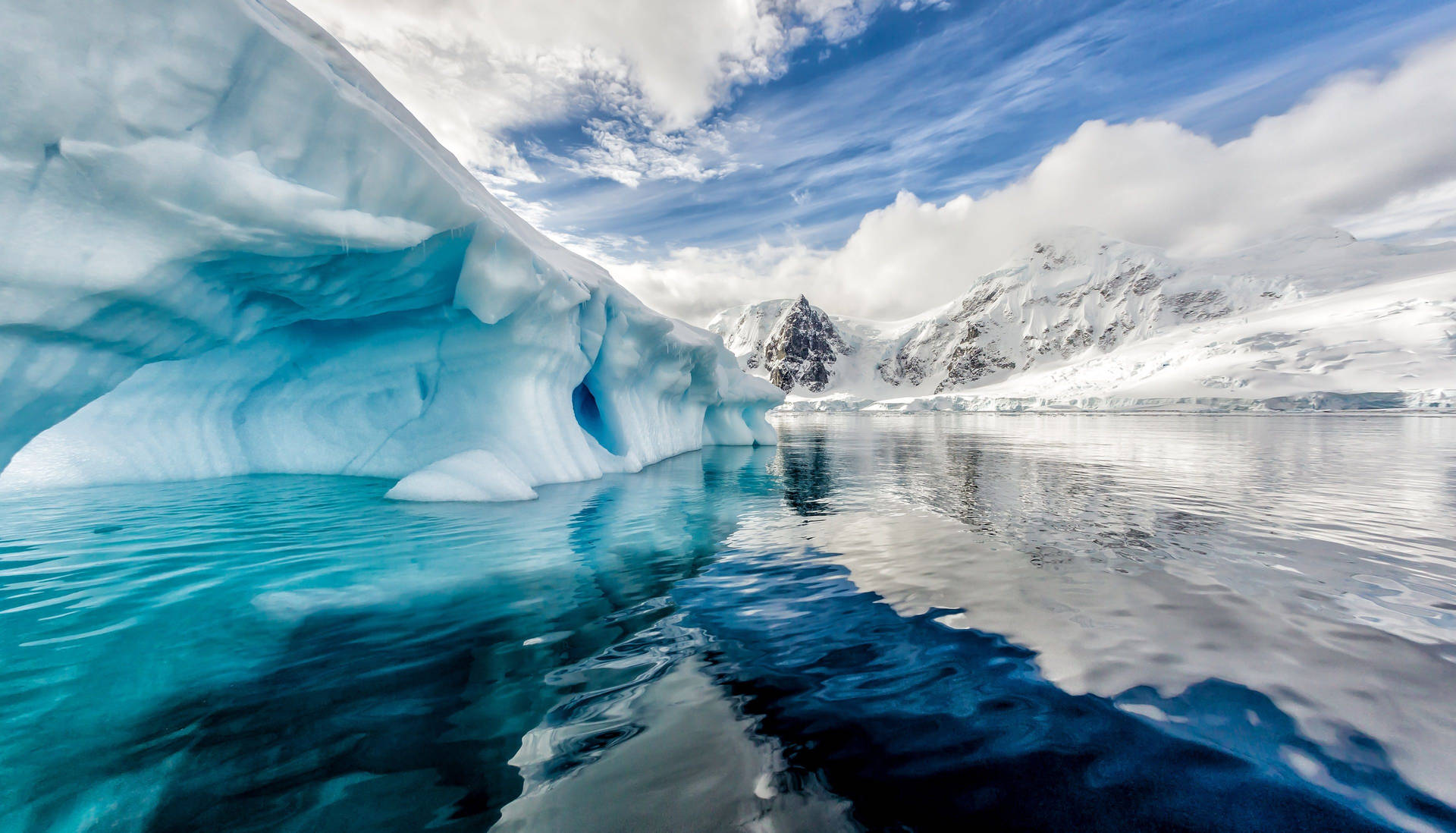
The Importance of Antarktis
Antarktis, the fifth-largest continent, plays a crucial role in global climate regulation and is vital for scientific research. Covering an area of approximately 14 million square kilometres, it contains around 70% of the planet’s fresh water and serves as a crucial indicator of climate change. Understanding this frozen land is essential for global environmental perspectives, particularly with rising concerns regarding climate change.
Unique Ecosystem and Biodiversity
Despite its harsh climate, Antarktis boasts a unique ecosystem that supports diverse wildlife adapted to extreme conditions. Species such as the Emperor penguin, seals, and multiple species of krill thrive despite sub-zero temperatures. The Southern Ocean surrounding Antarktis is rich in biodiversity; however, these marine ecosystems are under threat from pollution, overfishing, and climate change, which is causing shifts in species distribution and habitat loss.
Recent Climate Changes
Recent studies have highlighted alarming changes in the climate of Antarktis. A report from the British Antarctic Survey revealed that the continent has been losing ice at an accelerating rate. Between 2002 and 2020, Antarctica lost about 2,720 billion tons of ice, contributing to rising sea levels. The average annual temperature increase is around 3°C, which is significantly higher than the global average.
International Cooperation and Research
Scientific research in Antarktis is governed by the Antarctic Treaty System, which promotes peace and science collaboration among nations. This treaty, signed in 1959, has successfully maintained the continent as a centre for peaceful research without military presence. Ongoing research is critical to understanding climate change and its impacts. Recent expeditions are focusing on monitoring the ice sheets and examining their contributions to sea-level rise as well as studying changes to ecosystems.
Conclusion: Significance for the Future
Understanding Antarktis is more crucial than ever as it is a barometer for global climate health. The information drawn from research in this area informs global policy and can aid in mitigating climate-related issues. As climate impacts continue to pose a significant risk, it is imperative that the international community collectively invests in sustainable practices and climate action strategies to protect this fragile environment. The future well-being of our planet may depend on the health of Antarktis.