









Introduction to ADHD
Attention Deficit Hyperactivity Disorder (ADHD) is a neurodevelopmental disorder that affects millions of individuals worldwide, significantly impacting their daily lives. With recent increases in diagnoses and a growing understanding of the condition, ADHD has become a critical topic for parents, educators, and healthcare professionals alike. Understanding its symptoms, causes, and effective treatment options is essential for improving the quality of life for those affected.
Understanding ADHD Symptoms
ADHD is characterized by three primary symptoms: inattention, hyperactivity, and impulsivity. Individuals may struggle with maintaining focus on tasks, organizing activities, and following through on instructions. These symptoms can manifest differently in various age groups; children might display more hyperactive behaviours, while adults may present with chronic disorganization and difficulty managing time. Furthermore, it is important to note that symptoms can vary in intensity and can change over time.
Causes and Risk Factors
The exact cause of ADHD remains unclear, but research suggests that a combination of genetic, environmental, and neurological factors plays a role. Family history is a significant risk factor, as ADHD tends to run in families. Additionally, environmental factors such as exposure to smoke during pregnancy or lead exposure in childhood have been linked to increased risk. Brain structure and function also play a role, with studies indicating differences in certain areas of the brain in individuals with ADHD.
Treatment Options for ADHD
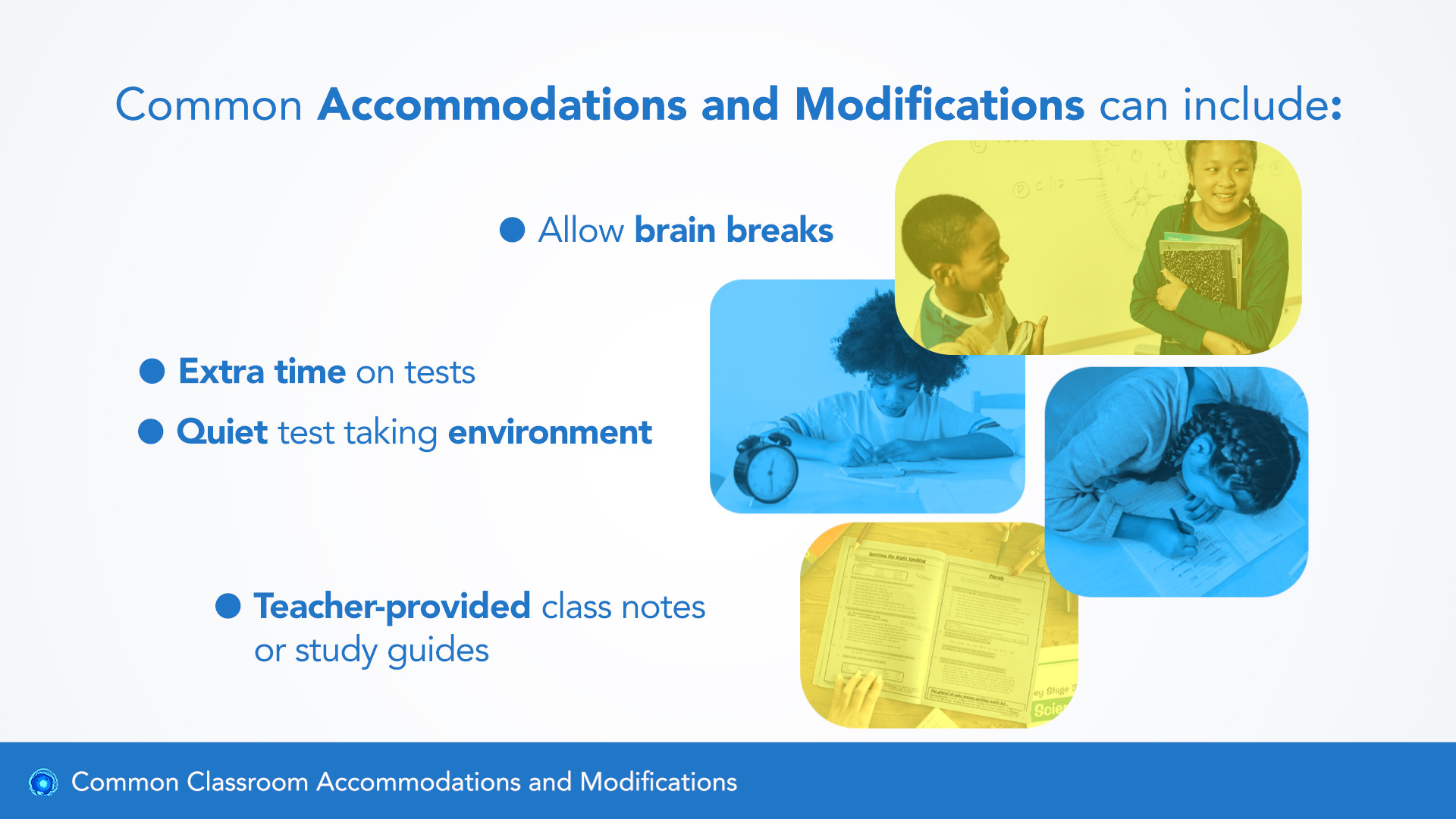
Fortunately, ADHD is manageable through various treatment options. The most common approaches include medication, behavioural therapy, and educational support. Stimulant medications, such as methylphenidate and amphetamines, are frequently prescribed and have been shown to be effective in managing symptoms. Non-stimulant medications are also available for those who may not respond well to traditional treatments. Behavioural therapies focus on teaching coping skills and strategies to manage everyday challenges, while educational interventions can help provide necessary support within school environments.
Conclusion and Future Implications
The growing awareness and understanding of ADHD are crucial for fostering a supportive environment for affected individuals. As diagnostic criteria continue to evolve and treatment options become more advanced, there is hope for improved outcomes for those living with ADHD. For readers, it is essential to remain informed about ADHD to better support family members, friends, or students who may struggle with this disorder. Continued research and advocacy will help ensure that resources are available for those in need, ultimately leading to a better quality of life and increased understanding and acceptance in society.