









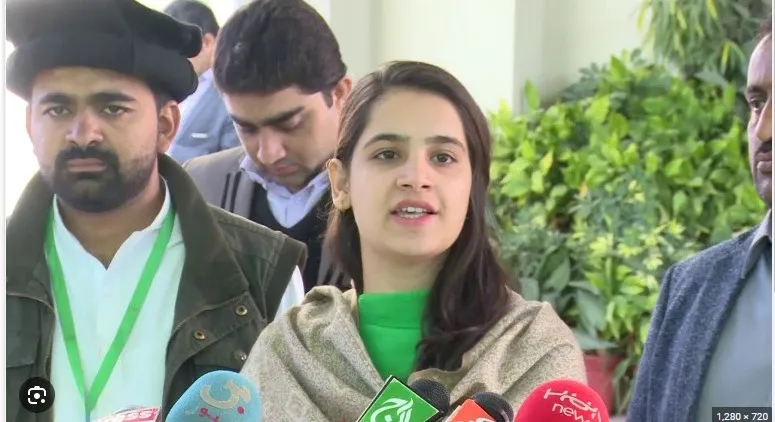
The Umme Rubab Chandio case has concluded with the acquittal of all eight accused involved in the killing of her family members. This verdict comes after an eight-year-long legal battle, which has drawn significant attention in Mehar, Sindh.
The incident occurred on January 17, 2018, when armed men attacked a house, resulting in the deaths of prominent local figures including Umme Rubab’s father, grandfather, and an uncle. The accused included leaders from the Pakistan Peoples Party and a former Station House Officer (SHO).
Sindh Home Minister Zia-ul-Hasan Lanjar stated, “As a lawyer, I believe there were flaws in the evidence, but both sides got a fair trial.” He emphasized that the court provided both sides a fair opportunity to present their case, highlighting the integrity of the judicial process.
Despite the acquittal, the case has raised questions about the involvement of political figures and the implications for justice in the region. The Sindh government was not a party in the case, which may have influenced the proceedings.
The court’s decision has sparked mixed reactions among the local community and observers, with some expressing disappointment over the outcome, while others acknowledge the legal process that was followed.
Lanjar also remarked, “No one is above the law,” reinforcing the notion that the judicial system must be upheld regardless of the individuals involved.
As the community reflects on the verdict, the broader implications for justice and accountability in cases involving influential figures remain a topic of discussion.
Details remain unconfirmed regarding any potential appeals or further legal actions that may arise following this verdict.