









Introduction
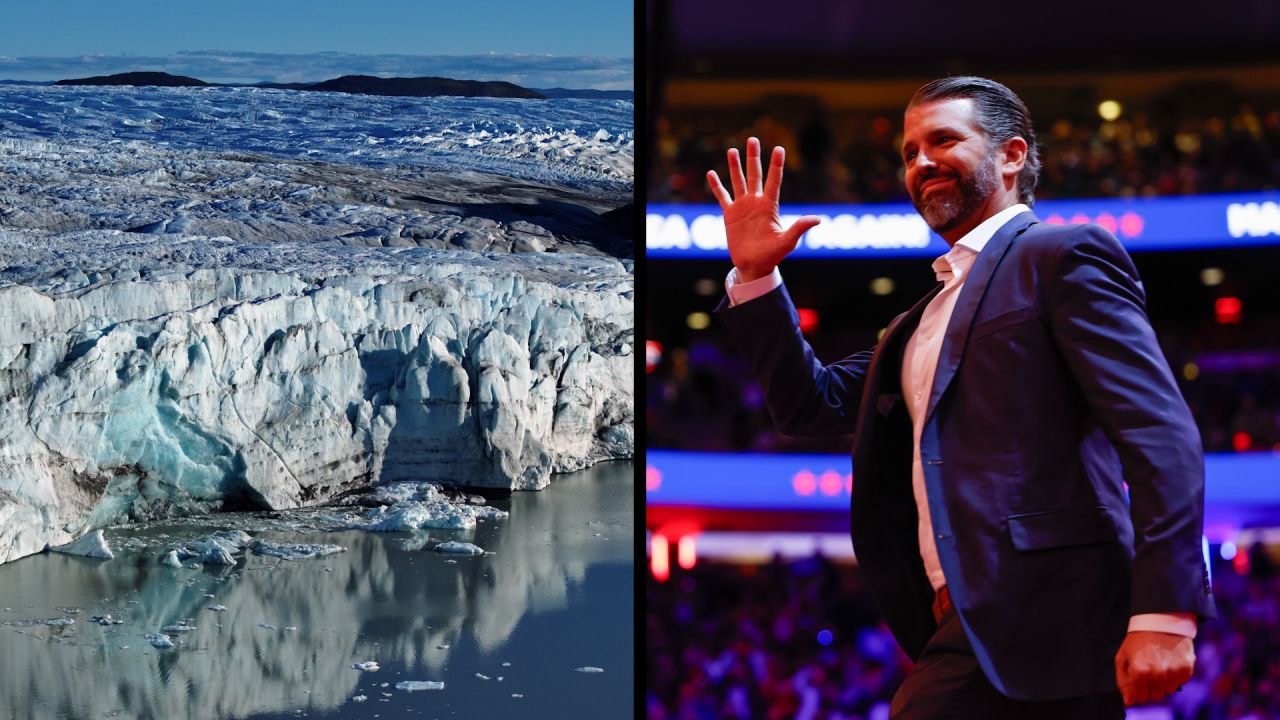
The idea of purchasing Greenland, a vast territory under Danish control, gained significant attention when former U.S. President Donald Trump expressed interest in it in 2019. This proposal raised eyebrows globally, stirring discussions about geopolitical strategies, the significance of the Arctic, and the dynamics of U.S.-Denmark relations.
The Proposal
In August 2019, President Trump revealed his desire to buy Greenland, stating, “Essentially, it’s a real estate deal.” His comments were met with confusion and disbelief, not only by the Danish government but also among international observers. Greenland, known for its vast natural resources and strategic location in the Arctic, could theoretically serve as a valuable asset for the United States.
Historical Context
The notion of acquiring Greenland isn’t entirely new. The U.S. has had a long-standing interest in the island, dating back to World War II when it established military bases there. Additionally, in 1946, the United States attempted to purchase the territory for $100 million, a proposal that was ultimately rejected by Denmark.
Reactions
Following Trump’s announcement, the response from Denmark was quick and firm, with Danish Prime Minister Mette Frederiksen calling the idea “absurd.” This diplomatic tension highlighted the complexity of multinational relations and national pride. In acknowledging this, it became evident that such proposals could not only jeopardise diplomatic ties but also instigate discussions on post-colonial sentiments and respect for sovereign nations.
Current Developments
Since the proposal, the global focus has shifted towards the Arctic region as climate change opens up new shipping routes and access to untapped natural resources. Many nations, including China and Russia, have shown interest in expanding their presence in the Arctic, heightening geopolitical tensions in an area already affected by climate change. Greenland’s autonomy and relationship with Denmark have since became a focal point for discussions about self-governance and international influence.
Conclusion
While Trump’s aspirations for Greenland may have been met with ridicule, they underscore significant geopolitical themes that remain relevant today—territorial sovereignty, climate change, and international diplomacy. As global interest in the Arctic intensifies, the implications for Greenland, Denmark, and the powers vying for influence in the region will continue to evolve, warranting close attention from policymakers and the public alike.