









How it unfolded
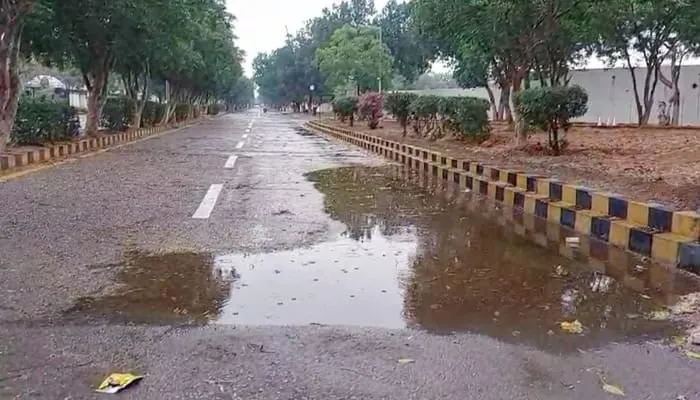
As Karachi residents braced for another day, the weather took a turn for the worse on the night of March 18, 2026. Rain began to fall heavily, continuing into the early hours of March 19, leading to widespread disruption across the city. The storm brought with it not only rain but also powerful winds, with speeds reaching up to 97 km/h, causing significant damage.
By the morning of March 19, reports indicated that at least 19 people had lost their lives due to the severe weather conditions. The highest rainfall recorded was an alarming 55.6mm in Korangi, contributing to waterlogging and infrastructure damage throughout the city. The situation was dire, with many residents trapped under collapsed structures, prompting ongoing rescue operations.
Electricity supply was severely affected, particularly in the Buffer Zone, where power has been suspended since 9 PM the previous night. This outage has compounded the difficulties faced by residents, many of whom are now without power during the storm. The Karachi Electric has reported that 260 feeders have been affected by the heavy rainfall.
As the day progressed, the weather in Karachi remained cloudy, with temperatures expected to peak between 27°C and 29°C. Humidity levels were notably high, standing at 82%, which added to the discomfort of the residents. Local authorities have urged citizens to stay indoors and avoid unnecessary movement, as the risk of further incidents remains high.
Officials from the Pakistan Meteorological Department (PMD) have issued warnings of additional heavy rainfall and thunderstorms expected throughout the day. Mayor Karachi, Murtaza Wahab, noted that the storm had caused numerous trees to fall due to the heavy gusts of wind, further complicating the city’s response efforts.
In light of the ongoing crisis, Nasser Hussain Shah, a representative of the Sindh government, emphasized that efforts are being made to protect the lives and property of the public. He reassured residents that the government is actively working to manage the situation and provide assistance where needed.
Additionally, citizens have been advised to coordinate with local government institutions and traffic police to ensure their safety and receive any necessary assistance. There are concerns that lightning strikes may occur in isolated areas during the forecast period, adding to the dangers posed by the severe weather.
Looking ahead, another spell of westerly winds is expected to bring more rain to Karachi from March 24 to 27, raising concerns about the potential for further disruption and damage. As the city grapples with the aftermath of today’s severe weather, the focus remains on rescue efforts and ensuring the safety of all residents.