
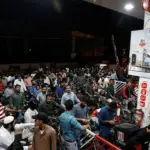





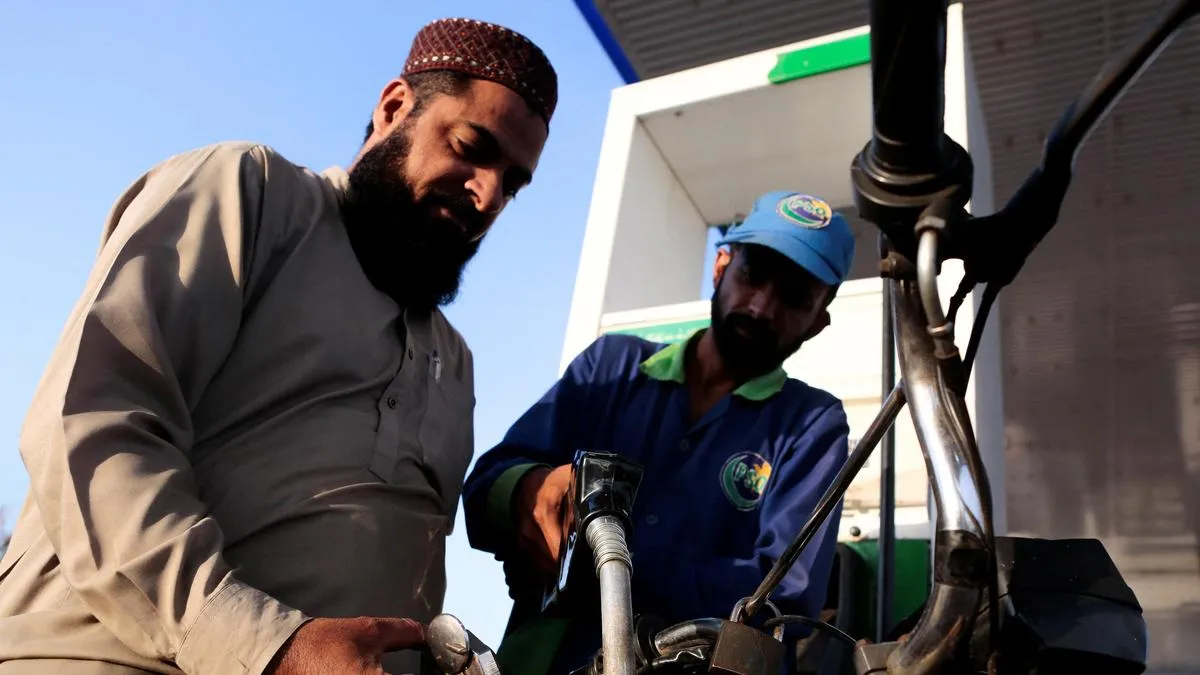
In a recent announcement, the diesel price in Pakistan has been confirmed to remain unchanged at PKR 520 per litre as of April 4, 2026. This decision follows a substantial increase of 54.9% in the diesel price earlier this year, which saw an initial hike of PKR 184.49 per litre.
In contrast, the government has reduced petrol prices by PKR 80 per litre, bringing the new price down to PKR 378 per litre. This adjustment comes after petrol prices previously surged to PKR 458.41 per litre due to a 42.7% increase.
The government has taken measures to stabilize fuel prices, including the abolition of the diesel levy, which has been set to zero. Prime Minister Shehbaz Sharif stated that the diesel rate will remain the same, assuring the public that the petrol price would not change for at least one month.
This decision is part of broader economic measures, including the allocation of PKR 129 billion in subsidies to maintain price stability for three weeks. The Prime Minister also announced austerity measures, indicating that federal cabinet members would not receive salaries for six months.
Pakistan’s fuel market has been significantly affected by global disruptions, particularly due to rising petroleum prices linked to geopolitical tensions, including the closure of the Strait of Hormuz and ongoing conflicts in West Asia.
Political reactions to the government’s fuel pricing strategy have been mixed. The Pakistan Tehreek-e-Insaf (PTI) party criticized the recent petrol price reduction, labeling it a “cosmetic reversal aimed at deflecting mounting public outrage.” They emphasized that the federal government operates as a collective body, not under a single authority.
Prime Minister Sharif has pledged to restore normalcy in the lives of citizens, stating, “I promise I will not rest until your life is back to normal.” This commitment comes amid rising public discontent over fuel prices and living costs.
As the situation develops, the government continues to navigate the complexities of fuel pricing amidst economic challenges and public scrutiny. Details remain unconfirmed regarding the long-term strategy for managing fuel prices in the face of ongoing global market fluctuations.