









Introduction
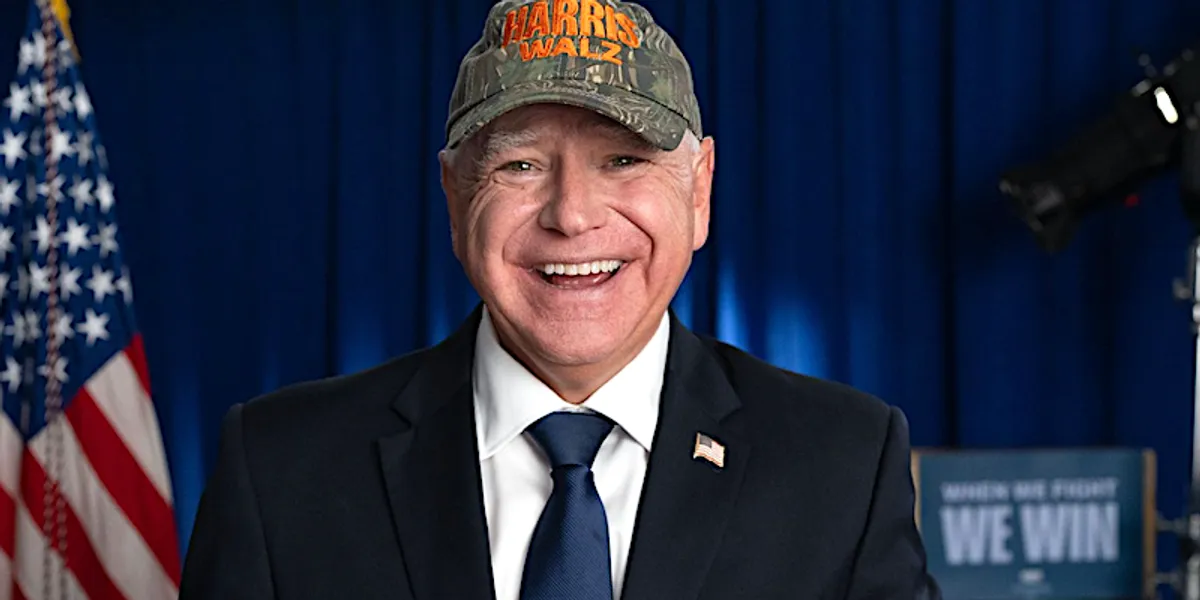
Tim Walz, the 41st Governor of Minnesota, has been at the forefront of state governance since he took office in January 2019. His leadership style and policies reflect a commitment to addressing key issues such as healthcare, education, and climate change, making his role increasingly significant in today’s political landscape.
Recent Initiatives
The Governor recently announced a series of initiatives aimed at combating the pressing issue of housing insecurity in Minnesota. In September 2023, Walz proposed a $100 million plan to invest in affordable housing solutions across the state. This initiative comes amid rising concerns about the increasing rates of homelessness and housing instability following the pandemic. The funds are intended to support various programs, ranging from mortgage assistance to investment in rental subsidies.
In addition to housing, Tim Walz is actively promoting educational reforms. In August 2023, he advocated for a comprehensive plan aimed at enhancing resources for public schools, particularly in underserved areas. This includes increasing funding for mental health services and hiring additional educators to reduce class sizes. Walz’s administration has emphasised the importance of accessible quality education as crucial for the state’s future.
Environmental Policies
Walz has also made significant strides in environmental policy. In July 2023, he unveiled new climate initiatives focusing on clean energy and sustainability. As part of the state’s commitment to achieving carbon neutrality by 2050, these efforts involve investment in renewable energy projects and incentives for businesses to reduce their carbon footprints. His administration is working to facilitate partnerships between state agencies and local businesses to foster innovative solutions to climate change.
Challenges and Controversies
Despite his proactive approach, Walz’s administration has faced challenges, including pushback from certain political factions regarding his handling of budget allocations and responses to public health crises. Controversies surrounding public health measures during the COVID-19 pandemic have continued to influence political discourse in the state. However, Walz remains committed to his vision for Minnesota, focusing on inclusivity and transparency in government.
Conclusion
As Tim Walz continues to navigate the complexities of governance, his initiatives and policies remain crucial for the residents of Minnesota. His commitment to addressing housing, education, and environmental issues reflects a forward-thinking approach to leadership. As these initiatives unfold, they will certainly shape the future of Minnesota and provide a model for governance in other states. The coming months will be vital to observe how effectively these plans are implemented and their impact on the community.