








Introduction
The fascination with skyscrapers is more than just about height; it reflects humanity’s ambition to push the boundaries of engineering and architecture. As cities expand and populations grow, the need for tall buildings has become increasingly significant. This article delves into some of the tallest structures in the world, highlighting their architectural achievements and the impact they have on urban living.
Current Standings
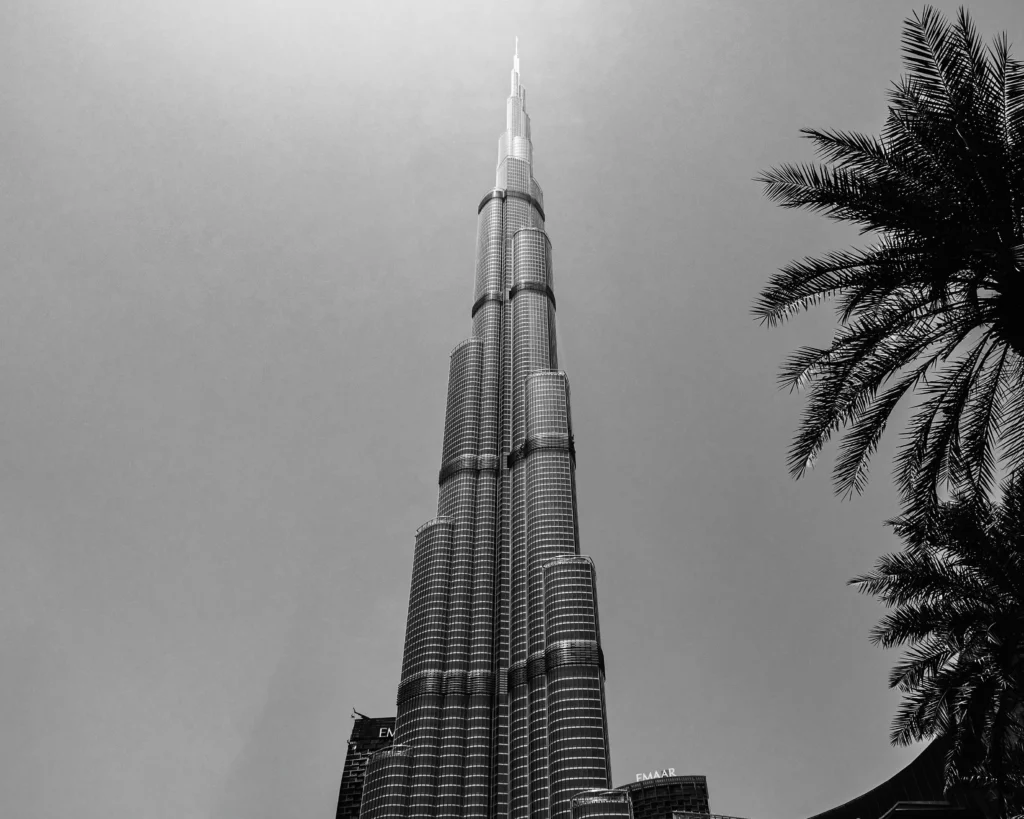
As of 2023, the tallest building in the world is the Burj Khalifa in Dubai, which stands at an impressive 828 metres (2,717 feet). Completed in 2010, the Burj Khalifa has set numerous records, including the highest observation deck and the highest number of stories in a building, reaching a staggering 163 floors. Following closely behind are the Shanghai Tower in China at 632 metres (2,073 feet) and the Abraj Al Bait Clock Tower in Mecca, Saudi Arabia at 601 metres (1,971 feet).
Significant Engineering Feats
Each of these skyscrapers showcases remarkable advancements in construction and engineering. For example, the Shanghai Tower employs a unique twisting design that allows it to resist strong winds while maximizing floor space. The Burj Khalifa, on the other hand, has a reinforced concrete core which is crucial for its stability, especially given the challenging meteorological conditions of its locale.
Impact on Urban Development
The rise of these extraordinary buildings is not just a matter of aesthetics; it has broader implications for urban planning and sustainability. Many of the world’s tallest buildings are designed to be eco-friendly, featuring green technologies that reduce their carbon footprints. The Taipei 101 in Taiwan, for instance, uses a damper system to withstand typhoons and earthquakes, making it one of the safest tall structures in the world.
Future of Skyscrapers
As we look forward to the future, several projects are underway that promise to redefine the skyline again. The Jeddah Tower, which intends to rise at least one kilometre (3,281 feet), is projected to surpass the Burj Khalifa upon its completion. Moreover, concepts like vertical cities are being explored, where entire communities can thrive on skyscrapers, potentially alleviating urban sprawl.
Conclusion
The world’s tallest buildings serve as testaments to human innovation and architectural prowess. As new technologies emerge and cities continue to grow, these towering structures will play a critical role in shaping the landscapes of tomorrow. For urban dwellers and architecture enthusiasts alike, the skylines are ever-evolving, representing a blend of culture, engineering, and creativity.