









Introduction
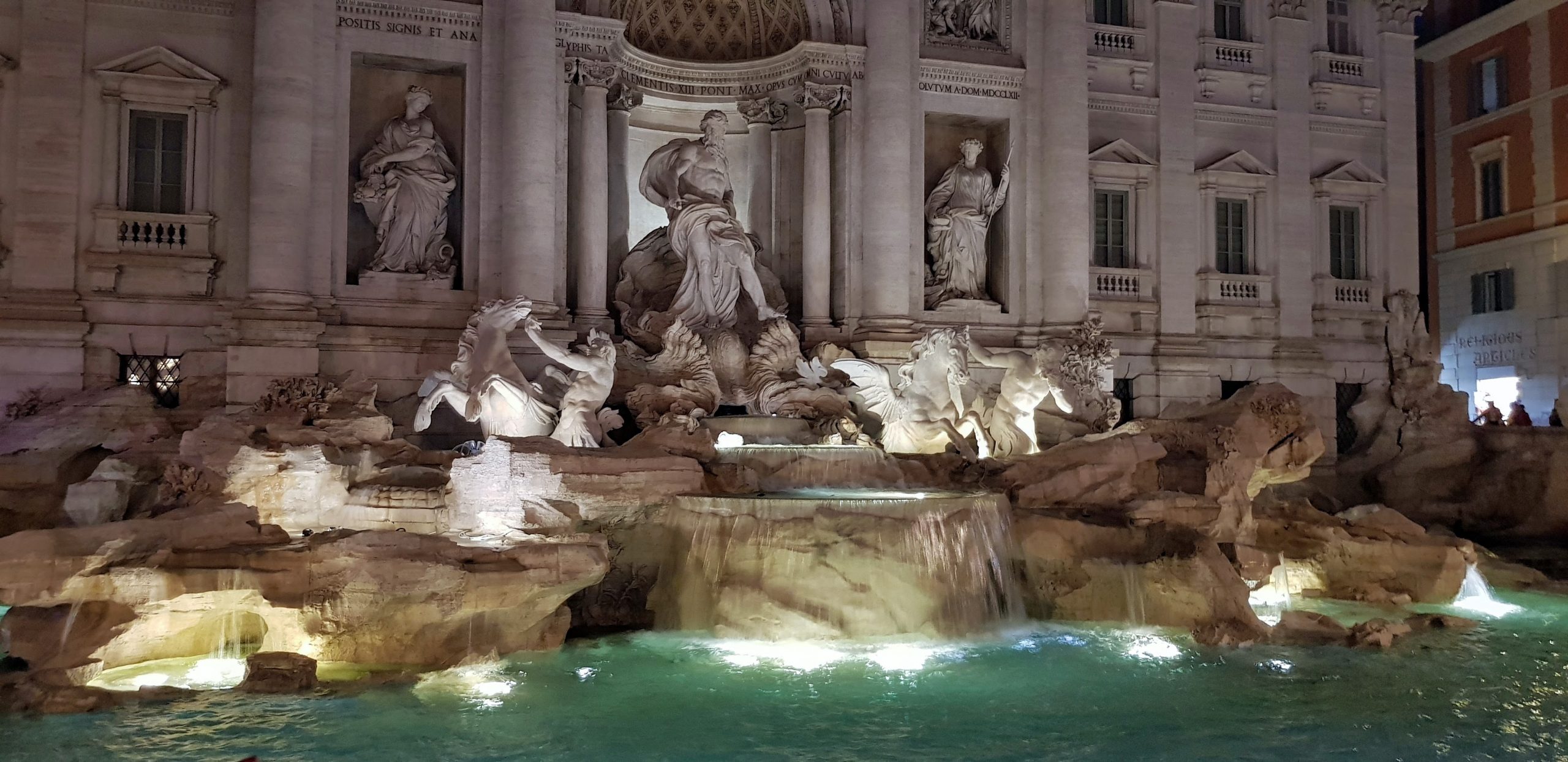
The Trevi Fountain, one of Rome’s most celebrated landmarks, attracts millions of visitors each year, captivating them with its stunning Baroque architecture and rich history. Located in the Quirinale district, this monumental fountain has become a symbol of the eternal city’s charm and allure. Understanding its significance provides insight into the cultural and artistic heritage of Rome, making it an essential point of interest for both tourists and local residents.
History and Significance
Constructed between 1732 and 1762, the Trevi Fountain was designed by architect Nicola Salvi, with modifications made later by Giuseppe Pannini. The fountain features a striking central figure of Neptune, the god of the sea, flanked by allegorical sculptures representing Abundance and Health. The iconic design incorporates water from the Aqua Virgo aqueduct, which has supplied Rome with fresh water for over 2,000 years. Each element of the fountain is meticulously crafted, showcasing the artistry and dedication of its creators.
Recent Developments and Restoration Efforts
In recent years, the Trevi Fountain has undergone extensive restoration work, completed in 2015, funded by the Italian fashion house Fendi. This restoration aimed to preserve the historical integrity of the fountain while ensuring its durability for future generations. The project was carried out with great care, using traditional techniques and materials to maintain the fountain’s aesthetic and structural integrity. This renewed attention to the fountain has also improved the overall visitor experience, with enhanced viewing areas and better maintenance of the surrounding space.
Captivating Visitor Experience
Throwing a coin into the Trevi Fountain has become a beloved tradition among visitors. It is said that tossing a coin over one’s shoulder ensures a return to Rome, while two coins signify a new romance. In 2022 alone, approximately €1.5 million was collected from the fountain, with proceeds donated to charitable organisations. The fountain not only serves as a breathtaking visual spectacle but also as a point of connection between visitors and the city’s history and myth.
Conclusion
The Trevi Fountain stands as a testament to Rome’s artistic and architectural heritage, drawing countless visitors who seek to experience its beauty and magic. As restoration efforts continue to preserve the integrity of this iconic site, the fountain’s significance in the heart of Rome endures. For those looking to immerse themselves in the rich culture and history of Rome, visiting the Trevi Fountain remains an essential experience, transcending time and leaving lasting memories.