









Introduction
Mary Shelley’s groundbreaking novel, Frankenstein, first published in 1818, remains a monumental work within the literary canon and continues to resonate today. The themes of creation, responsibility, and the ethical dilemmas in scientific advancement raise critical questions in our era marked by rapid technological progress. In recent times, the relevance of Frankenstein has been scrutinised especially as society grapples with the implications of artificial intelligence and biotechnology.
The Narrative of Creation and Consequences
At its core, Frankenstein explores the consequences of man’s desire to transcend natural boundaries through scientific experimentation. Victor Frankenstein’s quest to animate his creature ultimately leads to catastrophic results, prompting discussions about the morality of scientific discovery. This theme has become increasingly pertinent as modern innovations challenge our understanding of ethics in science. From genetically modified organisms to artificial intelligence, the echoes of Shelley’s cautionary tale remind us of the potential repercussions of playing god.
Cultural Impact and Adaptations
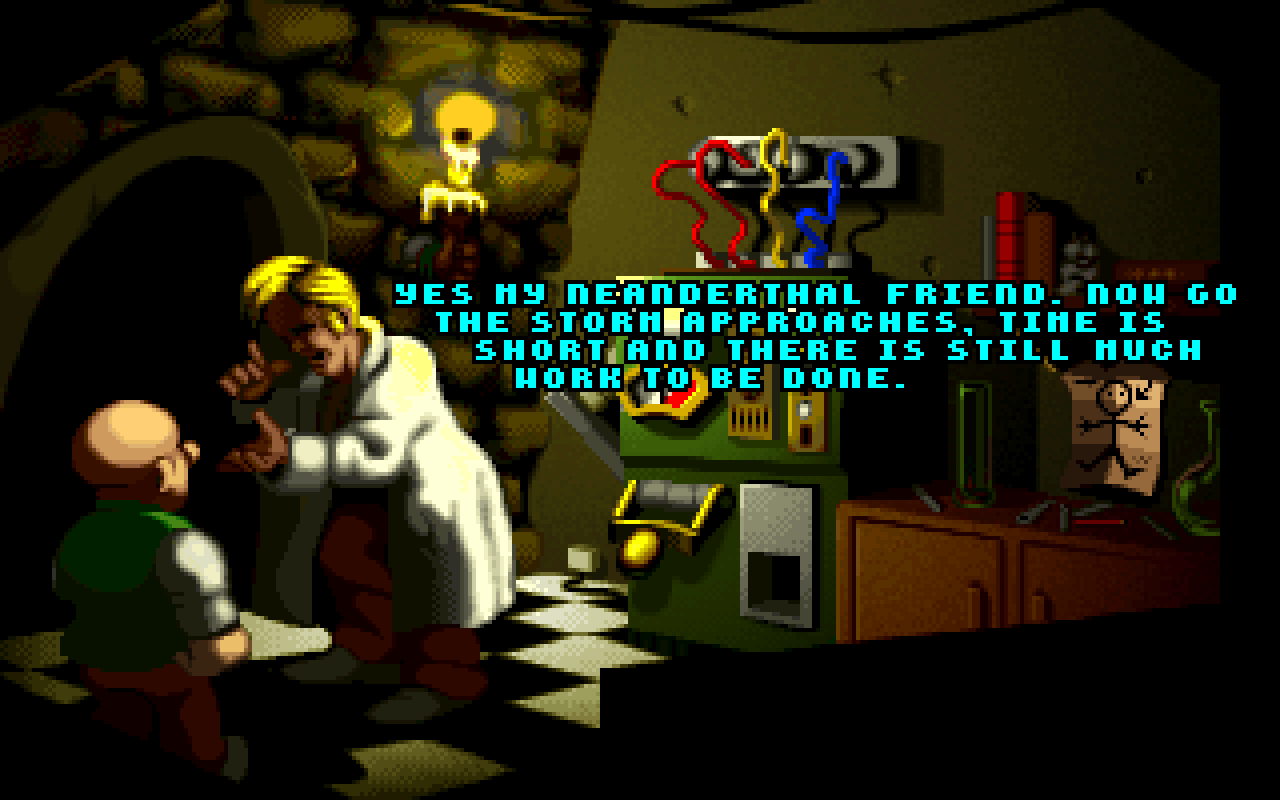
Over the years, Frankenstein has inspired numerous adaptations across various mediums, including film, theatre, and even video games. Recent adaptations, such as the 2021 stage production by the National Theatre, have introduced the narrative to new audiences, highlighting its universal themes of isolation and the pursuit of acceptance. The enduring popularity of the creature—often mischaracterised as simply a monster—invites further exploration of the complex nature of humanity and monstrosity.
Frankenstein as a Metaphor for Modern Issues
The parallels between the creature and contemporary societal concerns, such as climate change and social alienation, are striking. Just as Victor’s neglect leads to devastation, our own disregard for the balance of nature and the welfare of society could yield equally damaging consequences. The metaphor of the ‘Frankenstein complex’ has emerged, often used to describe humanity’s fear of our own creations turning against us.
Conclusion
As we navigate the complexities of an ever-evolving technological landscape, the significance of Frankenstein serves as a poignant reminder of our responsibilities as creators. Its legacy not only enriches literary studies but also engages crucial discussions about ethical stewardship in innovation. The story of Victor Frankenstein and his creature is more than just a tale of horror; it is a reflection of humanity’s struggle with its own creations. Aspects of Shelley’s narrative will likely continue to inform our understanding of the delicate balance between progress and ethics well into the future.