







Introduction
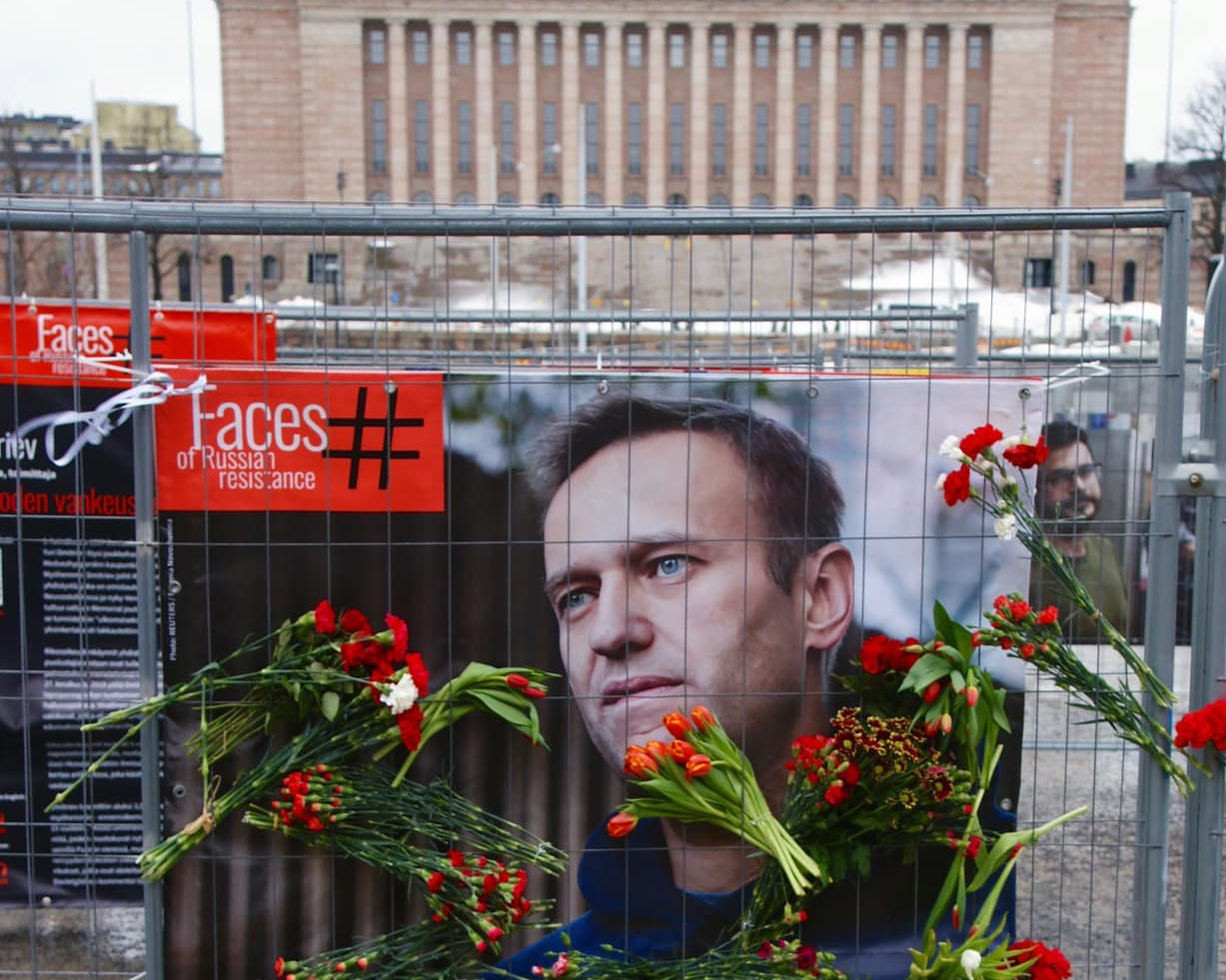
Alexei Navalny, the prominent Russian opposition leader, has become a symbol of resistance against systemic corruption in Russia. His commitment to political reform and transparency has garnered international attention, especially as he faces ongoing challenges from the Russian government. Understanding Navalny’s role is essential in grasping the broader context of contemporary Russian politics.
Background
Born in 1976, Navalny first gained prominence in the late 2000s through his anti-corruption investigations. He founded the Anti-Corruption Foundation (FBK), which exposed corrupt practices among high-ranking officials and oligarchs close to President Vladimir Putin.
Recent Developments
Navalny’s political career took a dramatic turn when he returned to Russia in January 2021 after recovering from a near-fatal poisoning in August 2020, which he and many world leaders attributed to the Kremlin. His return sparked widespread protests across Russia, calling for his release from detention where he was sentenced on charges many consider politically motivated.
Despite facing great personal risks, Navalny continues to speak out against the Kremlin, mobilising support both domestically and internationally. In December 2022, he was awarded the European Parliament’s Sakharov Prize for Freedom of Thought, highlighting the European support for his cause.
Impact on Russian Politics
Navalny’s activism has brought issues of corruption and human rights abuses to the forefront of global discussions regarding Russia. His ability to use social media effectively has allowed him to reach a younger demographic, thereby injecting new energy into Russian political opposition. As pressure mounts within Russia and from abroad, Navalny’s influence remains significant in shaping public opinion against the Putin regime.
Conclusion
The fight against corruption in Russia, represented by Alexei Navalny, is far from over. His resilience in the face of political repression serves not only as an inspiration for many Russians but also as a crucial focal point for international stakeholders interested in promoting democratic values. Future developments in Navalny’s situation could significantly impact Russia’s political landscape. As international attention on human rights issues in Russia continues to grow, Navalny’s role may be pivotal in inspiring a broader movement for change.