









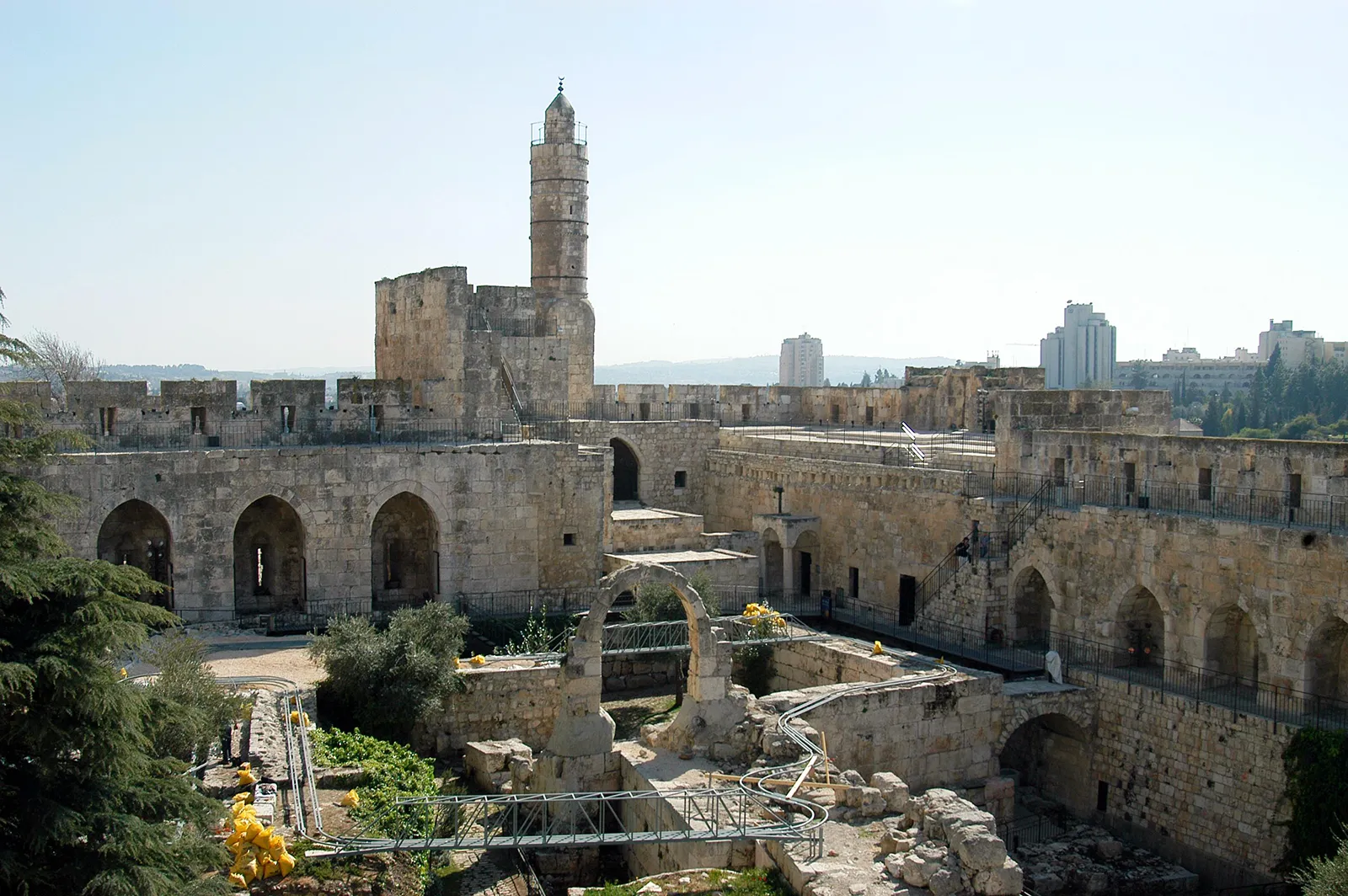
Introduction to Jerusalem
Jerusalem, one of the oldest cities in the world, holds immense religious and historical significance for Judaism, Christianity, and Islam. As the capital of Israel, it serves as a focal point for political discussions in the region. The city’s complex history and its ongoing disputes elevate its importance on both a historical and contemporary stage as developments unfold amid heightened political tensions.
Historical Importance
Jerusalem has been a contested city for thousands of years. Key events, such as the destruction of the First Temple by the Babylonians and the Second Temple by the Romans, underscore its pivotal role in Jewish history. In Christianity, Jerusalem is revered as the site of Jesus’s crucifixion and resurrection, making it a pilgrimage destination for millions. Similarly, for Muslims, the Al-Aqsa Mosque is considered the third holiest site in Islam, further emphasizing the city’s multiplicity of religious significances.
Recent Developments
In recent months, Jerusalem has witnessed escalating tensions, particularly surrounding religious sites. The Israeli government has enforced stricter measures in and around these landmarks, prompting protests and international outcry. The United Nations has called for discussions to ease tensions, highlighting the need for dialogue in resolving ongoing disputes. As of October 2023, the region remains precarious, with security concerns affecting daily life.
Conclusion
Jerusalem stands as a symbol of faith, hope, and conflict, representing the struggles and aspirations of its inhabitants. The historical context combined with current political dynamics makes it essential for global citizens to stay informed about developments in the city. The future of Jerusalem may rely on both diplomatic negotiations and the willingness of its diverse communities to coexist peacefully. Understanding the layers of its past and present will remain crucial as the world watches its unfolding narrative.