









Introduction
The Sea Empress oil spill, which occurred in February 1996 off the Pembrokeshire coast in Wales, stands as a significant environmental disaster in UK history. The incident underscored the critical importance of maritime safety and environmental protection, prompting discussions on regulatory practices and emergency preparedness in the shipping and oil industries.
Details of the Incident
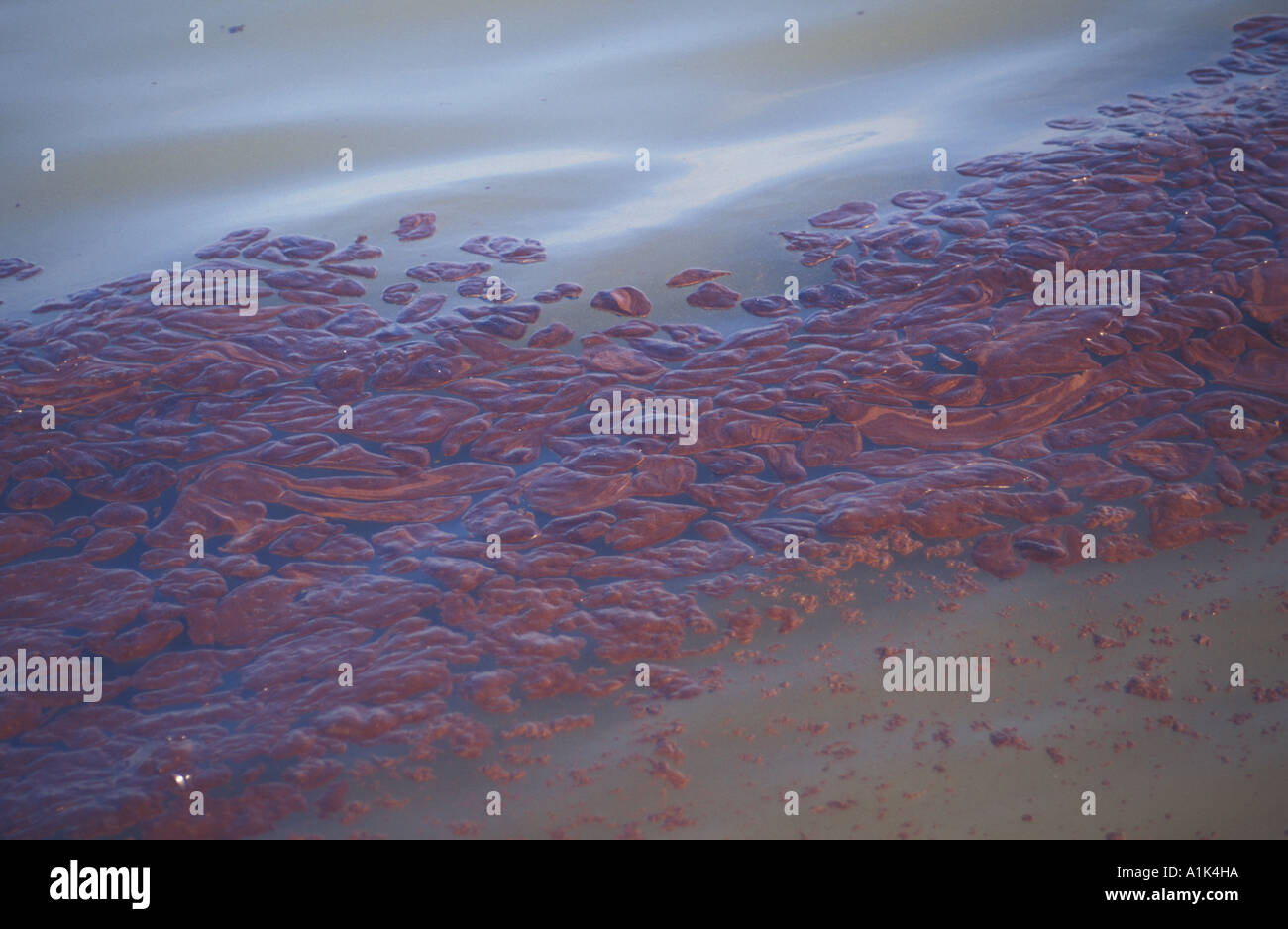
On 15 February 1996, the Sea Empress, a crude oil tanker, ran aground near the entrance to the Milford Haven Waterway after a series of miscommunications and navigational errors during heavy weather. As a result, approximately 72,000 tonnes of crude oil were released into the sea, spreading rapidly across the surrounding waters and coastal areas. The spill impacted an extensive marine environment, leading to the contamination of beaches, loss of marine life, and devastating effects on local wildlife, including seals, seabirds, and fish populations.
Response and Mitigation Efforts
Following the spill, a significant clean-up operation was launched promptly involving local authorities, environmental agencies, and volunteer organisations. Specialized equipment, including boom barriers and skimmers, was deployed to contain and recover the oil from the water’s surface. Despite these efforts, it was estimated that over 100,000 seabirds died as a direct result of the spill, alongside enduring ecological damage that affected local fishing and tourism industries.
Impact on Regulations
The Sea Empress incident prompted a comprehensive review of existing maritime regulations and practices. In its aftermath, the UK government and relevant European authorities established stricter measures aimed at enhancing the safety of oil transportation and refining operational protocols. This includes increased vessel traffic monitoring, better crew training, and improved technology in ship navigation systems.
Conclusion
The Sea Empress oil spill serves as a poignant reminder of the vulnerabilities associated with maritime transport of hazardous materials. It highlights the necessity for continued vigilance, regulatory enhancements, and coordinated preparedness to manage such crises effectively. As the global shipping industry continues to expand, the lessons learned from the Sea Empress spill remain pertinent, ensuring an informed approach to minimise potential environmental disasters in the future.