









Introduction
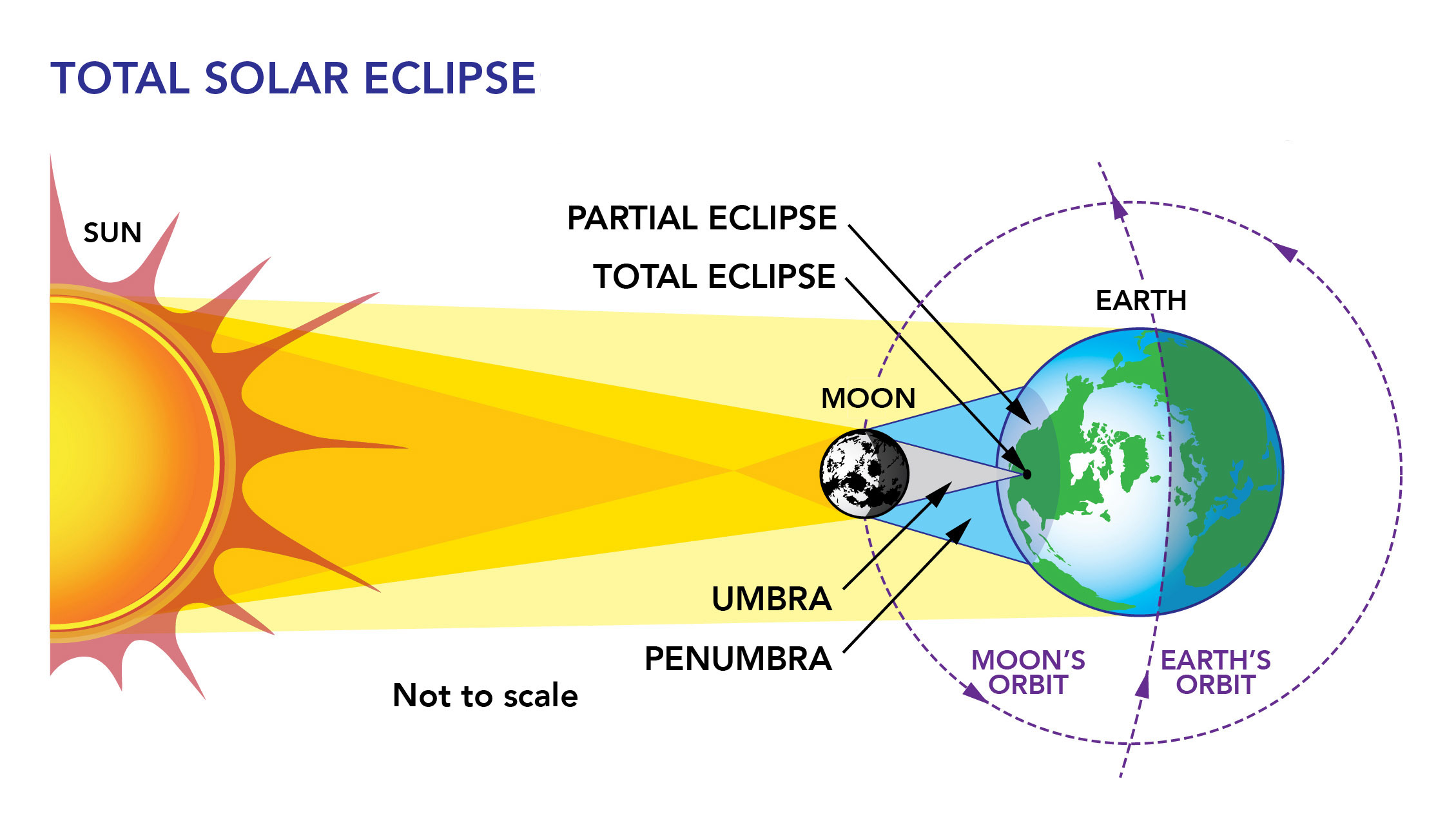
Solar eclipses are one of nature’s most breathtaking celestial events, capturing the awe and interest of people around the globe. These occurrences take place when the moon passes between the Earth and the sun, obstructing the sunlight either partially or entirely. The importance of solar eclipses extends beyond their visual spectacle; they provide valuable data for scientists and are steeped in cultural significance across various societies.
The Science Behind Solar Eclipses
There are three main types of solar eclipses: total, partial, and annular. A total solar eclipse happens when the moon entirely covers the sun, allowing viewers in the path of totality to experience a brief period of darkness during the day. Conversely, a partial eclipse occurs when only a portion of the sun is obscured, and an annular eclipse arises when the moon is too far from Earth to fully cover the sun, resulting in a striking ring of sunlight being visible around the moon.
The last total solar eclipse occurred on April 20, 2023, and paths of totality were observed across parts of Southeast Asia and Australia. According to NASA, the next total solar eclipse will be on April 8, 2024, with a path crossing parts of Mexico, the United States, and Canada. Educational institutions and astronomy enthusiasts are already preparing for these significant dates, highlighting the importance of solar eclipses in science and awareness.
Cultural Impact and Significance
Throughout history, solar eclipses have held a place of reverence and intrigue in many cultures. For example, ancient civilizations, such as the Mayans and the Chinese, often viewed eclipses as omens or significant events, linking them to their beliefs about the cosmos. Modern society, while more scientifically informed, still embraces the wonder of solar eclipses through public viewing events and educational programmes aimed at inspiring the next generation of astronomers.
Conclusion
In summary, solar eclipses represent a remarkable intersection of science, culture, and spectacle. Their cyclic nature means that while many people may wait years or even decades for a full eclipse to occur in their location, educational opportunities can promote lifelong learning and curiosity about our universe. As we approach the next solar eclipse, it is crucial for both casual observers and serious enthusiasts to prepare appropriately and appreciate the enduring significance of this extraordinary natural phenomenon.