









Introduction to the Royal Mint
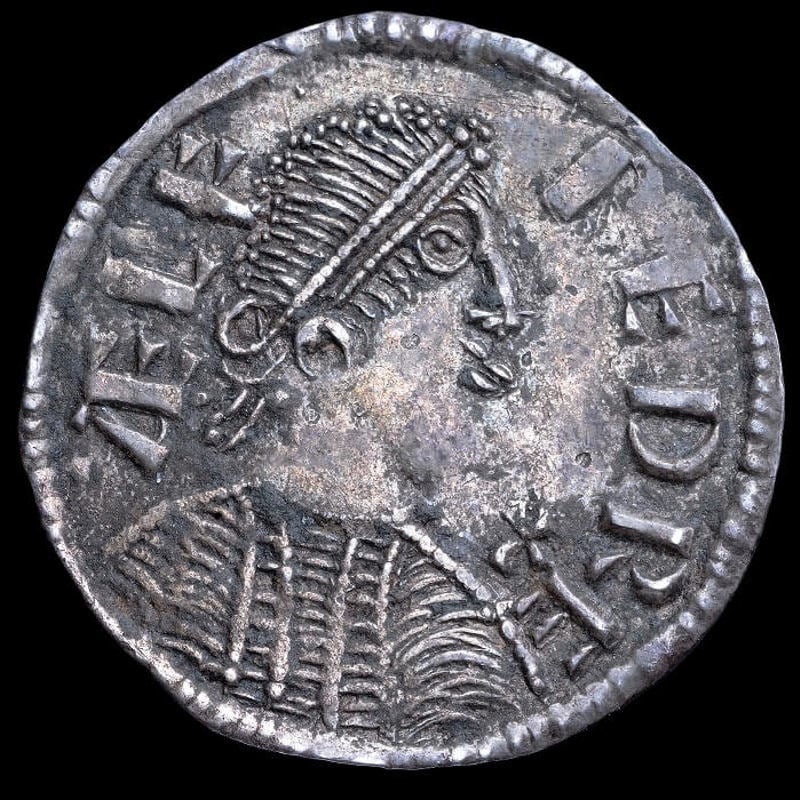
The Royal Mint, located in Llantrisant, Wales, is one of the world’s oldest institutions, first established in 886 AD. As the official maker of coins for the United Kingdom, its relevance extends beyond mere currency production, playing a significant role in the economic and cultural heritage of the nation. The Mint not only manufactures coins but also produces commemorative items and medals, enriching the history and heritage of the UK.
Historical Significance
The Royal Mint has evolved over more than a millennium, initially functioning to standardise coinage, which was essential for trade and commerce in early medieval England. In 1968, the Mint started producing decimal coins, transitioning from the previous system of pounds, shillings, and pence. The Royal Mint also has historical significance through the many notable figures portrayed on its coins, like Queen Elizabeth II, reflecting the evolution of monarchy and society in the UK.
Current Operations and Innovations
Today, the Royal Mint produces billions of coins annually and has expanded its operations to include the manufacturing of gold and silver bullion products. In recent months, the Royal Mint has introduced innovative technologies in coin production, such as sustainable minting processes aimed at reducing environmental impact. Additionally, it opened a visitor centre that allows the public to witness coin production firsthand, promoting educational outreach and interest in numismatics.
Future of the Royal Mint
As we move into an increasingly digital economy, the Royal Mint continues to adapt. It has begun producing non-fungible tokens (NFTs) and exploring ways to integrate blockchain technology into its operations. This evolution indicates the Mint’s commitment to staying relevant in a rapidly changing financial landscape. Looking ahead, the Royal Mint aims to enhance its product offerings while maintaining the high standards of quality and craftsmanship that are synonymous with its brand.
Conclusion
The Royal Mint stands as a testament to Britain’s rich history and its adaptability in a modern economy. Its ongoing innovations ensure that it not only preserves the traditional heritage of coin-making but also embraces new technologies and practices. For citizens and collectors alike, the Royal Mint remains a vital institution, reflecting national pride and continuity amidst change.