









Introduction
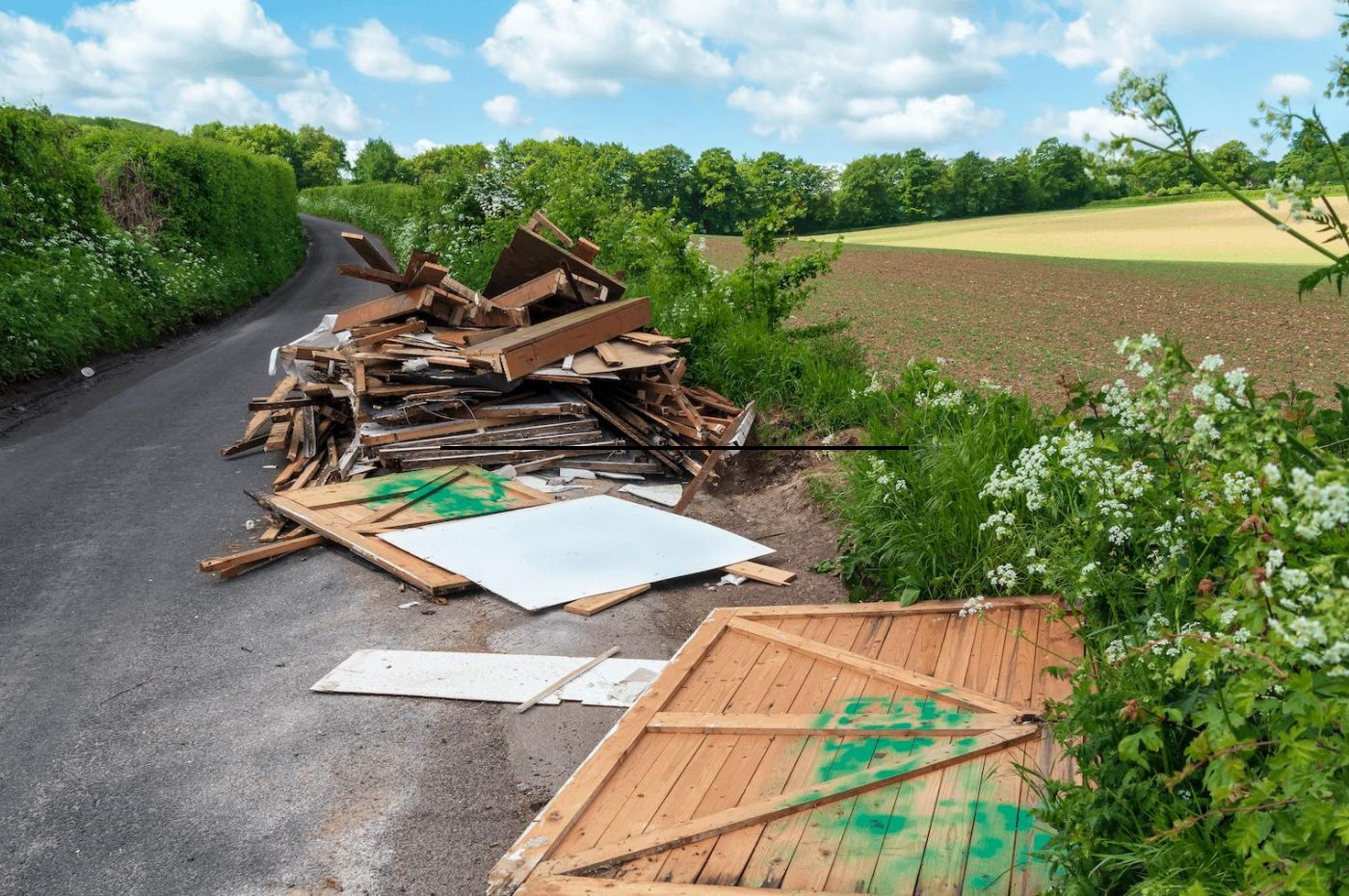
Fly tipping has emerged as a significant environmental issue in the UK, impacting communities and ecosystems alike. This illegal disposal of waste not only poses health risks but also places a financial burden on local authorities tasked with cleaning up these sites. The relevance of addressing fly tipping cannot be overstated, especially in the context of increasing waste management challenges and the government’s commitment to sustainability.
The Growing Problem
Recent statistics from the Environment Agency illustrate the alarming growth of fly tipping incidents in the UK. In 2022 alone, over 1 million incidents were reported, marking a 16% increase from the previous year. This rise is attributed to several factors, including economic pressures exacerbated by the COVID-19 pandemic, rising disposal costs, and a lack of accessible waste disposal facilities in certain areas.
Impact on Communities
Local communities are often the most affected by fly tipping, which can lead to significant environmental degradation. Unmanaged waste can attract pests and pose health risks, while unsightly dumping grounds can detract from the aesthetics and property values of neighbourhoods. Moreover, resources that local councils allocate for cleaning up fly tipping divert funds from other essential services such as education and social care.
Government and Community Responses
In response to the escalating problem, the UK government has announced a range of measures aimed at tackling fly tipping. These include increased fines for offenders, enhanced monitoring of known dumping hotspots, and campaigns to educate the public about proper waste disposal practices. Community initiatives such as ‘Big Clean Up’ events are also rising, where residents come together to clean their local areas, fostering a sense of community pride and responsibility.
Future Projections and Conclusion
Experts predict that if fly tipping continues to rise, it could lead to further strain on local authority budgets and deteriorating community wellbeing. Tackling this issue effectively requires a collaborative effort between government bodies, local councils, and citizens. By promoting responsible waste disposal and supporting community initiatives, it is possible to curb the trend of fly tipping and protect the environmental integrity of our communities. The significance of addressing fly tipping extends beyond immediate cleanup; it is crucial for fostering a culture of environmental responsibility and sustainability in the UK.