








Introduction
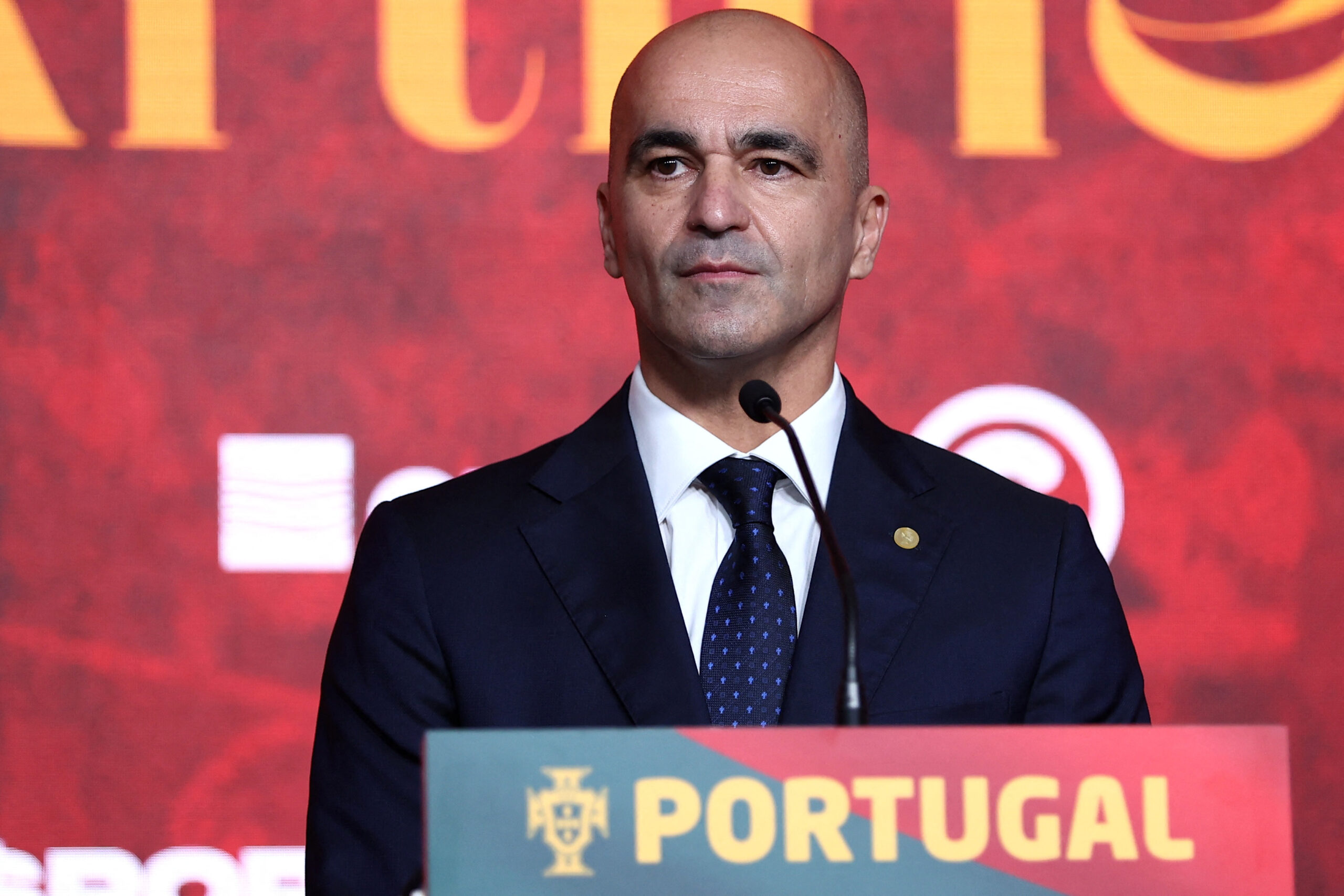
Roberto Martinez, a prominent figure in modern football management, has made significant strides in the sport, particularly in his role as head coach of the Portuguese national team. His coaching career, marked by innovative tactics and a distinct playing style, has reshaped the way his teams engage on the pitch, earning him respect among peers and fans alike. Understanding Martinez’s journey is essential for football enthusiasts as it reflects evolving trends in coaching and player management.
Martinez’s Early Career
Born in Balaguer, Spain, in 1973, Roberto Martinez began his footballing career as a player before transitioning into management. He played as a midfielder for several clubs, including Real Zaragoza and Wigan Athletic. His managerial career commenced at Swansea City, where his strategic approach caught the attention of many, leading to subsequent roles that would eventually position him at the helm of national teams.
Success at Wigan and Everton
Martinez’s most notable achievements in club football came during his tenure at Wigan Athletic, where he led the club to an FA Cup victory in 2013, defeating Manchester City in the final. This victory was seen as one of the greatest upsets in FA Cup history, showcasing his ability to inspire underdog teams. Following Wigan, he took charge at Everton, where he implemented an attacking style that earned the team commendable league finishes and recognition for playing attractive football.
National Team Coaching
After a successful club career, Martinez took the reins of the Belgium national team in 2016. Under his management, Belgium achieved unprecedented heights, finishing third in the 2018 FIFA World Cup and attaining the number one ranking in the FIFA world rankings. His coaching style, characterised by an emphasis on attacking play and player development, has transformed the national team into genuine contenders on the world stage.
Recent Developments
As of 2023, Martinez has taken on the challenge of coaching the Portuguese national team, a move that has generated significant interest and speculation about his impact. The transition promises to bring his tactical acumen and experience to another footballing powerhouse, aiming to build on the rich legacy left by previous coaches. Early results have been promising, with a series of strong performances in European qualifiers.
Conclusion
Roberto Martinez’s journey through football management illustrates the dynamic nature of the sport and the importance of leadership in achieving success. With his recent move to Portugal, fans and analysts are eager to see how his philosophies will meld with the team’s existing talents. As he continues to adapt and innovate, Martinez’s career serves as a testament to the potential of effective coaching in shaping the future of international football.