









Introduction
In recent years, the colour green has taken on new significance, particularly in the context of environmental consciousness and aesthetic choices. Among various shades, forest green has emerged as a popular trend in design and fashion, symbolising sustainability and a deep connection to nature. Understanding this trend is crucial for both consumers and businesses aiming to align with eco-friendly practices.
The Importance of Forest Green
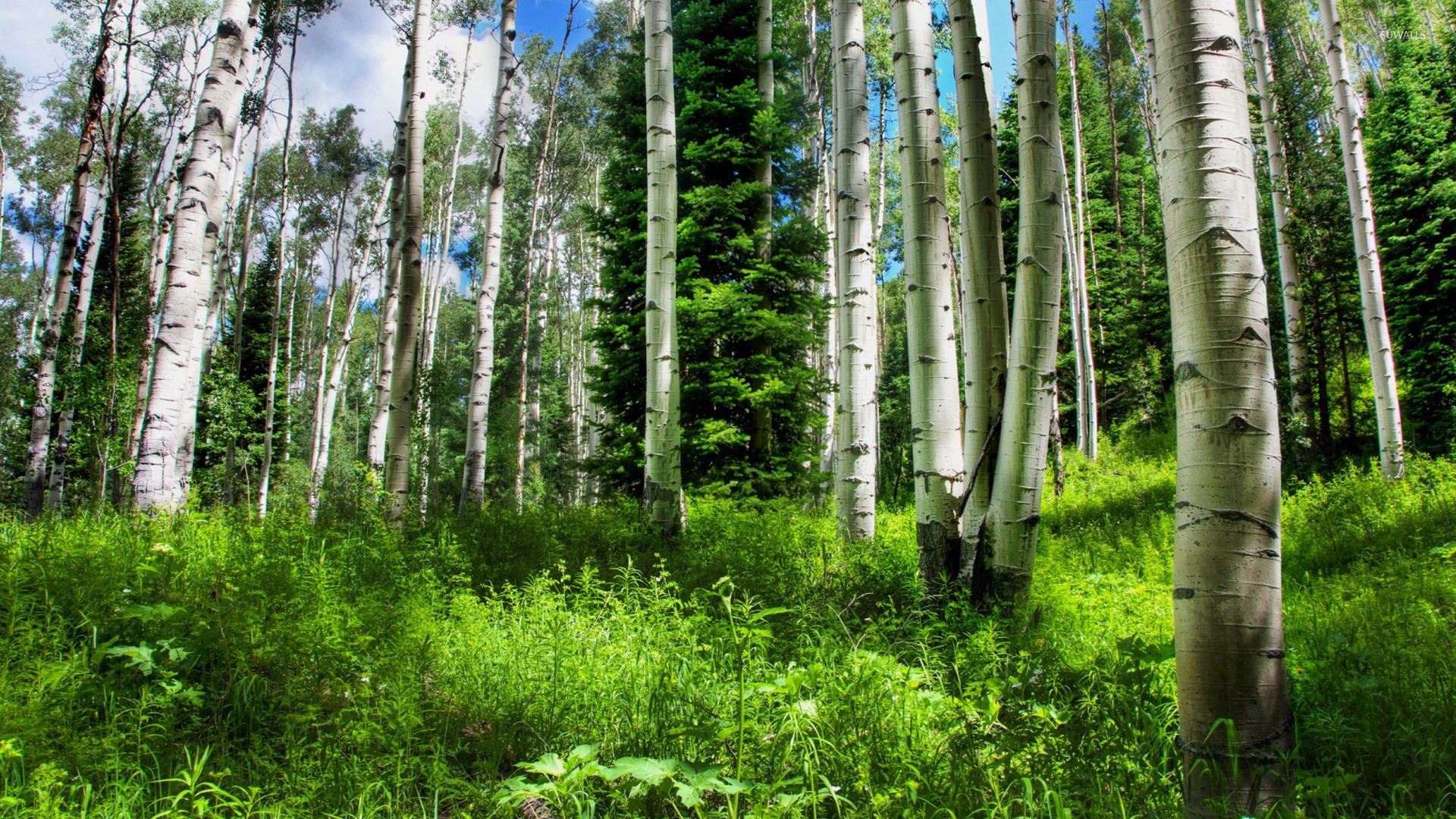
Forest green represents the rich hues of woodland environments, evoking a sense of tranquillity and balance. As awareness regarding climate change and deforestation grows, consumers are gravitating towards products that reflect their values. Forest green is not only visually soothing but serves as a reminder of the natural world’s beauty, prompting individuals to make environmentally-conscious choices.
Current Trends
Several industries have adopted this hue, most notably in fashion, interior design, and branding. High-profile designers are increasingly utilising forest green fabrics in their collections, leading to a palpable shift in seasonal palettes. In interior design, forest green is being employed to create calming yet stylish spaces, used in everything from wall paint to furniture upholstery. Companies are also integrating this shade into their branding to signal their commitment to sustainability.
Events and Recognition
Significantly, the Colour Marketing Group’s annual forecasts have spotlighted forest green as a core trend for the upcoming seasons. In the 2023 Colour Forecast report, they highlighted its dominance in diverse markets, including automotive and home goods. Events like sustainable fashion weeks have also embraced forest green prominently, showcasing collections that emphasise eco-friendly materials and practices.
Conclusion
As forest green continues to gain traction across various sectors, it not only reflects a aesthetic preference but signals a broader movement towards sustainability. The significance of this colour illustrates the increasing consumer demand for products that are not only stylish but also considerate of the Earth’s resources. Looking forward, it is likely that forest green will remain a cornerstone in the dialogue surrounding sustainable design, encouraging both creators and consumers to support an environmentally-conscious future.