









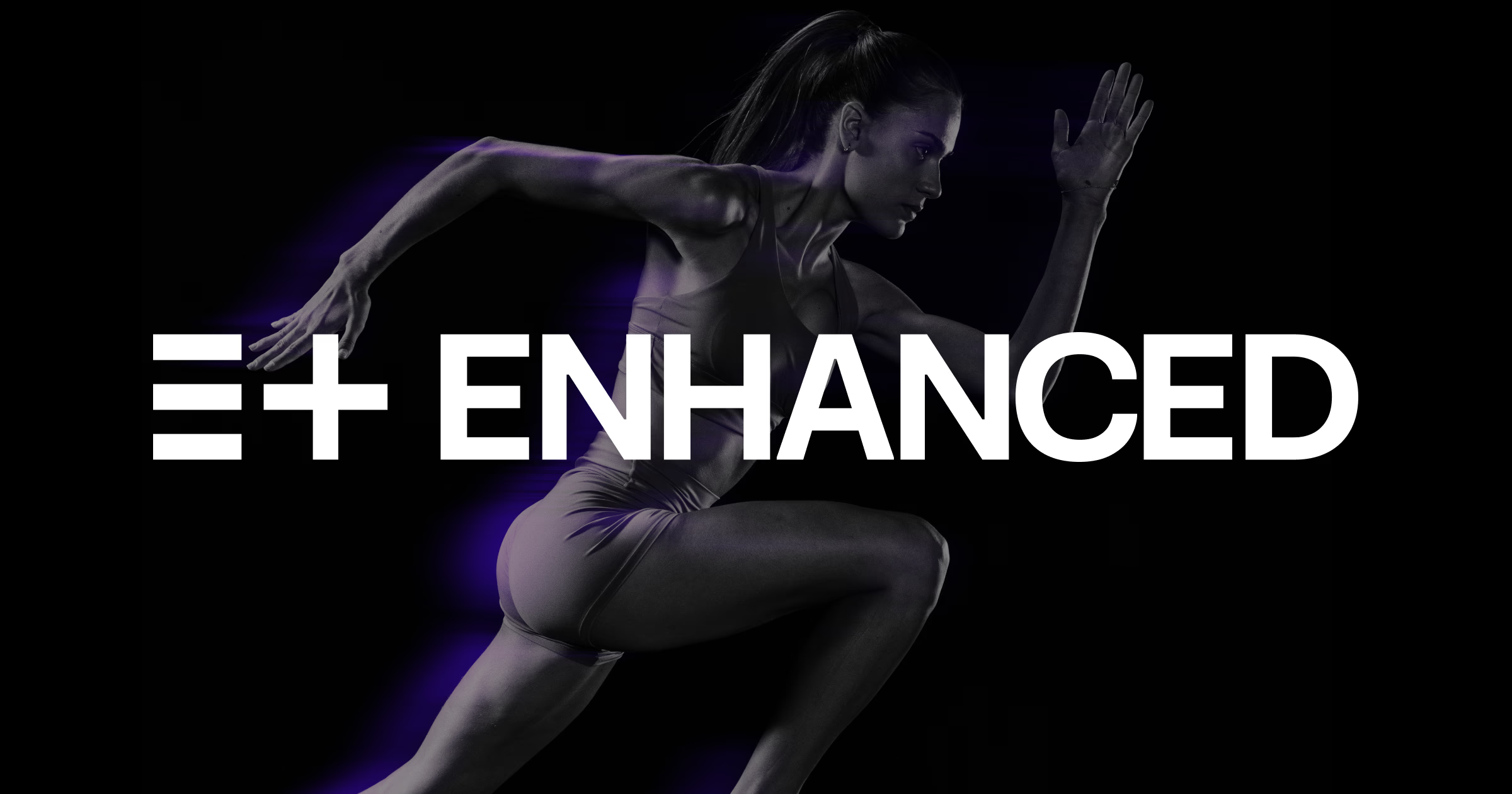
Introduction to Enhanced Games
The concept of enhanced games has gained significant traction in recent years, driven by advancements in technology and the growing acceptance of performance enhancement methods in various sports. These games challenge traditional notions of competition by integrating technology, biotechnology, and physical enhancement, thereby redefining what it means to be an athlete. With the 2024 Summer Olympics around the corner, discussions around enhanced games have become increasingly relevant as stakeholders evaluate their implications on fairness, safety, and the essence of sportsmanship.
What are Enhanced Games?
Enhanced games typically refer to competitive events that incorporate scientifically developed enhancements—such as genetic modifications, advanced prosthetics, and neuro-enhancement technologies. These enhancements aim to push human capabilities beyond biological limits, leading to new records and performance benchmarks that conventional sports may not achieve. For example, athletes could use exoskeletons to amplify their strength or genetic edits to improve recovery times and reduce the risk of injury.
Current Developments and Initiatives
Recent events have spotlighted the need for regulatory frameworks concerning enhanced games. In 2023, the International Olympic Committee (IOC) organised a symposium to delve into the ethics and safety of performance-enhancing technologies. Furthermore, organisations such as the Enhanced Sports Federation have emerged, aiming to create a structured platform for enhanced sports, encouraging innovation while ensuring participant safety. Amid this backdrop, several universities and tech startups have commenced research to explore the viability of these enhancements in sports.
Public Perception and Controversies
Public perception of enhanced games remains a double-edged sword. While some view it as a natural evolution of human capability and innovation, others raise ethical concerns regarding fairness, health risks, and the sanctity of traditional athleticism. Prominent athletes have voiced their concerns, arguing that enhanced games could create an uneven playing field, deterring genetically disadvantaged individuals from participating. Debates surrounding accessibility and equity in sports are ongoing, with many advocating for strict regulations to ensure that enhancements do not marginalise certain groups.
Conclusion: The Future of Enhanced Games
As we prepare for the next era of competitive sports, the concept of enhanced games presents a fascinating yet contentious frontier. The integration of advanced technology and human performance enhancement could revolutionise how we define athleticism and sporting excellence. However, it also necessitates a robust dialogue among all stakeholders to establish ethical guidelines, regulations, and safety measures. The decisions made in the upcoming years will likely determine whether enhanced games can coexist with traditional sports or whether they will become a separate entity altogether, fundamentally altering the landscape of competitive athletics.