









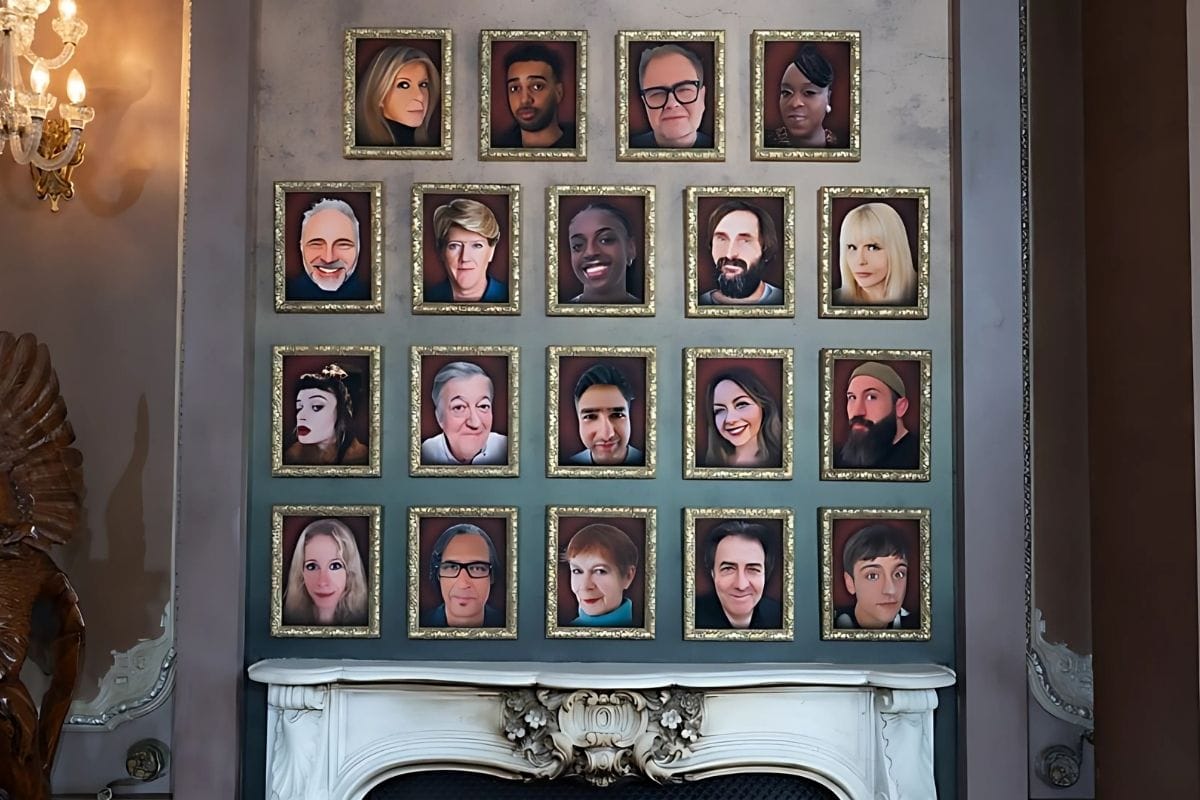
Introduction
In recent years, the phenomenon of “celebrity traitors” has become a focal point of both media and public discourse. This term refers to famous individuals who have been accused of betraying public trust or values, often leading to significant backlash and debate among fans and critics alike. As the influence of celebrities extends beyond entertainment into politics and social issues, the actions of these prominent figures can resonate deeply, affecting public opinion and societal norms.
Recent Notable Cases
One of the most talked-about instances in recent months involves a renowned actor who, after years of advocacy for environmental causes, was found to be involved in significant investments in fossil fuel industries. This revelation sparked outrage among environmental activists and fans, culminating in calls for boycotts of their projects. Social media platforms lit up with discussions about the hypocrisy of public figures who do not practice what they preach.
Another example includes a beloved pop star who faced allegations of public betrayal after coming out in support of legislation that critics argue is detrimental to minority rights. The backlash was swift, as numerous fans expressed feelings of betrayal on social media, prompting the celebrity to issue a statement attempting to clarify the intent behind their support.
Public Reaction and Consequences
The reactions to these controversies illustrate the delicate relationship celebrities have with their audiences. Many fans feel an emotional connection to their idols, often holding them to a higher standard. A breach of trust can lead to severe consequences, including loss of endorsements, cancelled tours, and diminished fan support. This reality highlights the complexities of celebrity culture, where personal and professional decisions are scrutinised under a public microscope.
Moreover, the dialogue surrounding celebrity traitors often extends beyond individual cases. It brings to light broader societal issues, such as accountability, ethical conduct, and the influence of fame on personal decisions. As audiences digest these events, a pertinent question arises: should celebrities be held to stricter moral standards given their influence?
Conclusion
In conclusion, the concept of “celebrity traitors” serves as a lens through which we can explore the intersection of fame, ethics, and public trust. These incidents reflect the growing expectation for public figures to be role models in all aspects of life. As celebrity culture continues to evolve, so too will the scrutiny surrounding their actions. The implications of this trend are significant, as they challenge not just celebrity personas but also societal values in the contemporary landscape. Fans, brands, and the media will need to navigate this evolving dynamic carefully, balancing admiration with the desire for accountability.