









Introduction
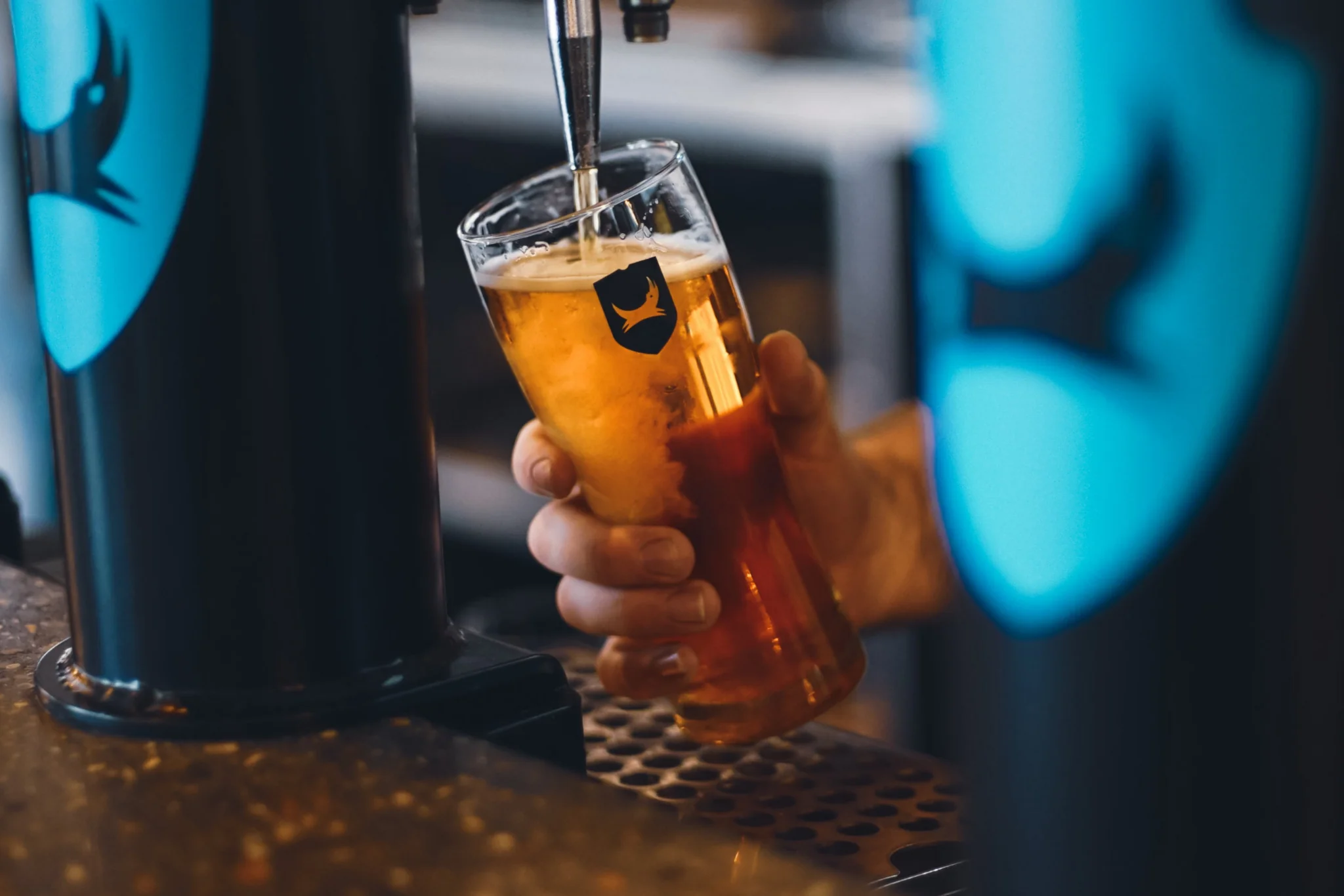
Brewdog Beer has emerged as a significant player in the global craft brewing scene since its inception in 2007. Founded by James Watt and Martin Dickie, the company has made a name for itself through its bold marketing strategies and pioneering approach to craft beer production. As consumers increasingly shift towards artisanal and local brands, the relevance of Brewdog Beer in the market has never been more pronounced.
Growth and Innovation
Starting from a small brewery in Ellon, Scotland, Brewdog has expanded rapidly, now boasting over 100 bars worldwide and a presence in numerous countries. The brand is known for its innovative flavours and a wide range of beers, some of which have achieved cult status. Iconic brews like the “Punk IPA” and “Hazy Jane” have contributed to the company’s rise, along with seasonal brews that keep the product line fresh.
Brewdog has also embraced sustainability, committing to becoming carbon negative and using renewable energy sources in its brewing processes. Their initiatives include a “beer for good” programme, where profits support environmental causes, highlighting the company’s commitment to social responsibility.
Recent Developments
In recent months, Brewdog has gained attention for its response to market trends and economic challenges. The pandemic necessitated a focus on online sales, which saw a substantial increase as consumers opted for home deliveries. The company reported a 20% growth in sales during this period, showcasing the resilience and adaptability of the brand.
Moreover, Brewdog has actively engaged in international expansions, with plans to open several new venues in Europe and the United States. These strategic moves are designed to capture the growing demand for craft beers and maintain a competitive edge in an increasingly crowded market.
Conclusion
As Brewdog Beer continues to innovate and expand, its impact on the craft brewing industry is undeniable. The company’s combination of quality products, innovative marketing, and a strong commitment to sustainability resonates with consumers seeking a more authentic beer experience. Looking ahead, Brewdog’s trajectory suggests that it will remain a pivotal force in the craft beer revolution, encouraging diversified tastes and challenging traditional brewing norms. For beer enthusiasts, Brewdog represents not just a beverage, but a culture that celebrates creativity and environmental consciousness in brewing.