









Introduction
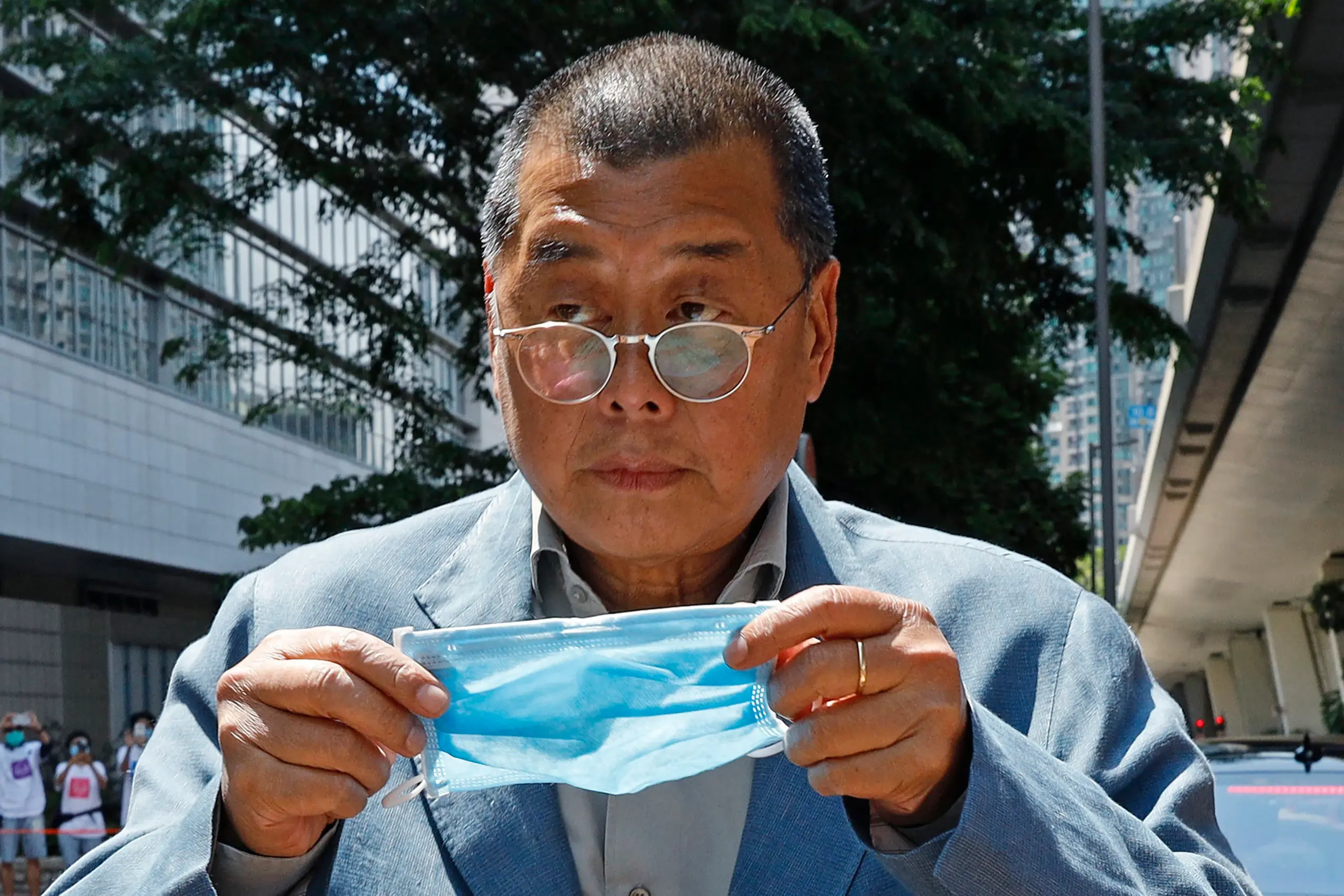
Jimmy Lai, a prominent Hong Kong media tycoon, has become a symbol of the struggle for democracy in Hong Kong. His story not only highlights the challenges faced by those advocating for human rights in the region but also underscores the wider geopolitical tensions at play between China and the West. Lai’s recent legal battles and his role in pro-democracy movements have drawn international attention and raised questions about the future of freedom of expression in Hong Kong.
The Journey of Jimmy Lai
Born in 1947 in Guangdong, China, Lai left for Hong Kong as a child. He began his career in the garment industry before venturing into the media landscape. In 1995, Lai founded Apple Daily, a newspaper known for its outspoken criticism of the Chinese government. Under his leadership, the paper became a fierce advocate for democracy, earning a loyal readership among pro-democracy supporters. However, this stance made it a target for Beijing’s increasing crackdown on dissent.
Legal Challenges and Arrest
In 2020, Lai was arrested under the controversial National Security Law imposed by Beijing. The law, which critics argue is designed to stifle dissent, charged him with various offences including collusion with foreign forces. His arrest sparked outrage both locally and internationally, with human rights activists and foreign governments condemning the action as an assault on free speech and democratic values.
Recent Developments
Despite his imprisonment, Lai has continued to galvanise support for democracy. His trial, which has faced numerous delays, is closely watched as it may set critical precedents for freedom of the press in Hong Kong. In a recent ruling, an appeals court upheld a lower court’s decision denying bail to Lai, indicating that the legal pressures against him are likely to continue. Furthermore, Lai’s ongoing advocacy, even from behind bars, has become a rallying point for pro-democracy movements.
Conclusion
Jimmy Lai’s situation represents not only his personal struggle but also the broader fight for democracy in Hong Kong. As international pressure mounts on China regarding human rights violations, Lai’s case is seen as a litmus test for the future of media freedom and civil liberties in the region. Observers are left to ponder whether Lai’s spirited resilience against authoritarianism will inspire future generations in Hong Kong and elsewhere. The growing global support for his cause indicates that his message is far from silenced, and the fight for democracy in Hong Kong is ongoing.