









Introduction
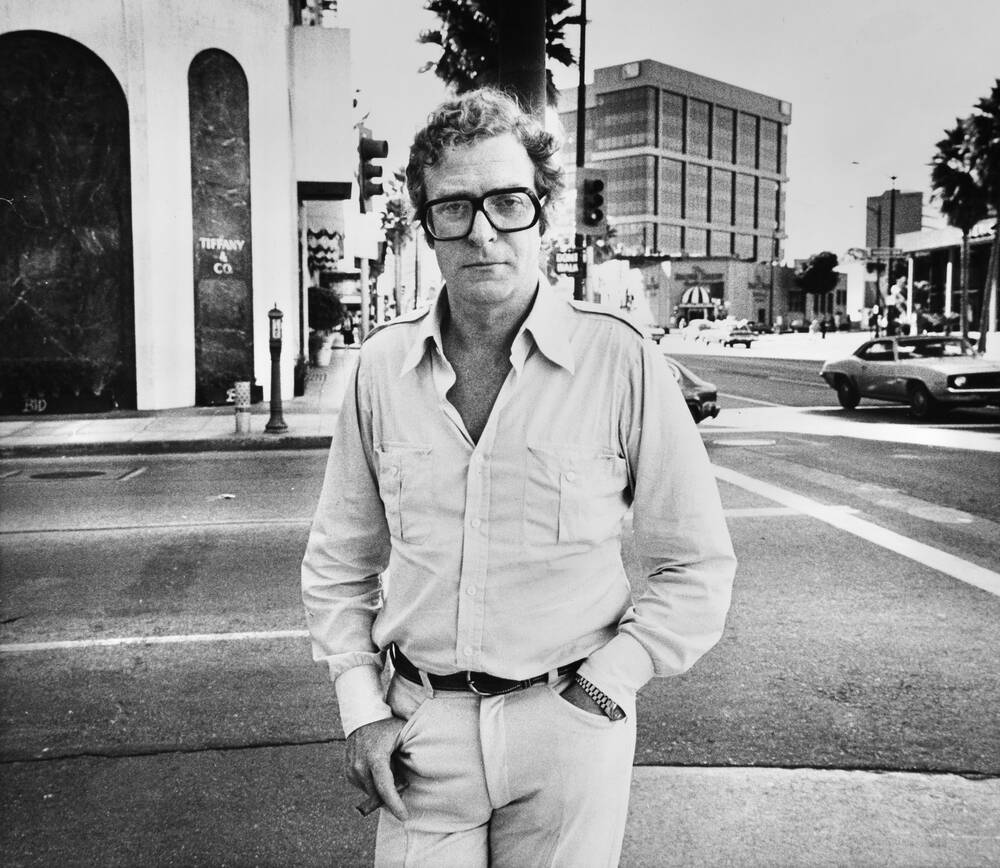
Michael Caine, a name synonymous with British cinema, has captivated audiences for over seven decades. His compelling performances and remarkable versatility have made him a stalwart in the world of acting. With numerous accolades to his name, including two Academy Awards, Caine remains an influential figure in the industry. Understanding his career is essential for appreciating the evolution of modern filmmaking and the impact of iconic actors on British cinema.
Early Life and Career
Born Maurice Joseph Micklewhite Jr. in 1933 in Rotherhithe, London, Caine’s journey to stardom began after he served in the British Army. His acting career took off in the late 1950s with roles in films like ‘The Last Valley’ (1971) and ‘Alfie’ (1966), which showcased his unique charisma and talent. Caine’s breakthrough came when he starred alongside screen legends such as Laurence Olivier and Katharine Hepburn, solidifying his status as a serious actor.
Iconic Roles and Recognition
Throughout his career, Caine has become well-known for iconic roles in films such as ‘The Italian Job’ (1969), ‘Get Carter’ (1971), and ‘The Dark Knight’ trilogy (2005-2012). His ability to transition between genres—from drama to comedy to action—has earned him a special place in cinematic history. Notably, he received Academy Awards for Best Supporting Actor in ‘Hannah and Her Sisters’ (1986) and ‘The Cider House Rules’ (1999), further establishing his legacy.
Recent Work and Current Projects
In recent years, Caine has continued to work and adapt to a new generation of filmmaking. His performances in films like ‘Gran Torino’ (2008) and ‘Best Sellers’ (2021) demonstrate his enduring talent. Additionally, Caine announced a potential future project with director Christopher Nolan, hinting at his appreciation for contemporary cinema and collaboration with new filmmakers.
Conclusion
Michael Caine’s journey from a working-class boy in London to an esteemed actor is a remarkable story of resilience and talent. His contributions to film have not only enriched British cinema but have also left a lasting impact internationally. As he continues to inspire upcoming actors and entertain audiences, his legacy serves as a testament to the power of storytelling through cinema. As he approaches his nineties, fans are left to wonder what this enduring actor will do next, ensuring his place in the annals of film history remains secure.