









Introduction
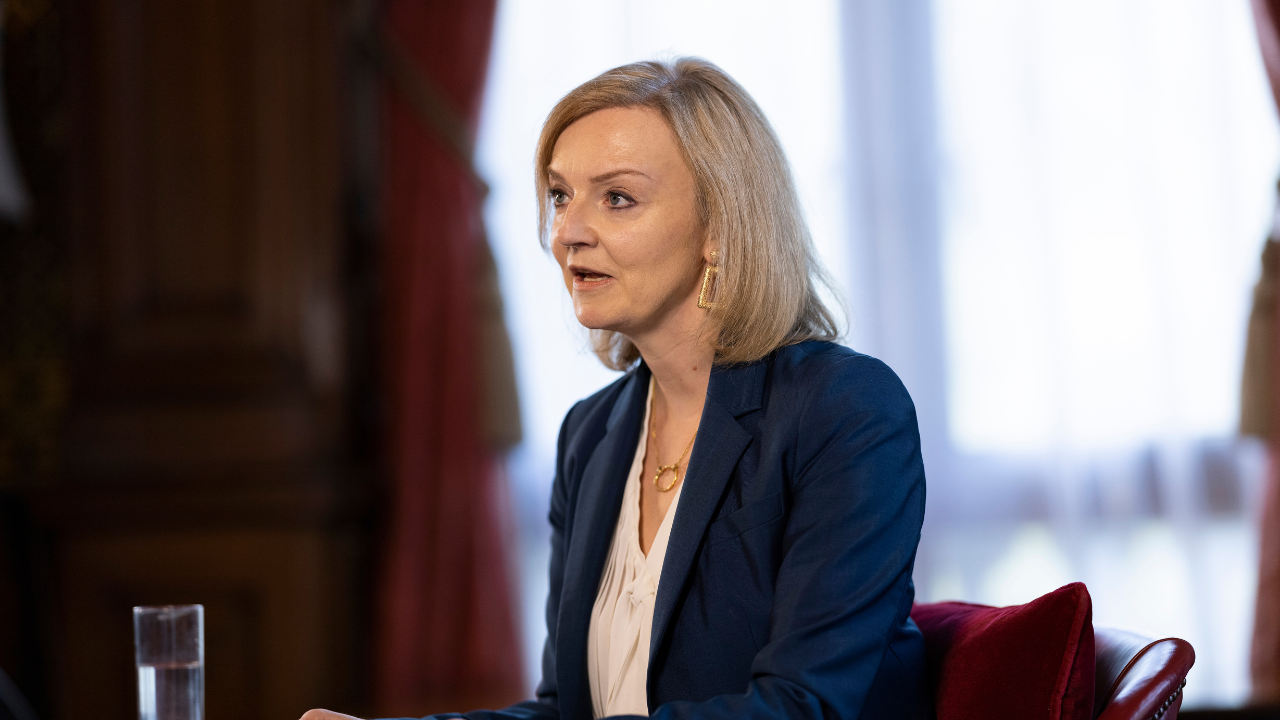
Liz Truss, the former Prime Minister of the United Kingdom, has become a significant figure in British politics following her brief but impactful premiership. Serving as PM for just 49 days in late 2022, Truss’s policies and decisions continue to reverberate across the political landscape. Her rise to prominence underscores the challenges and dynamics of today’s political climate, making her a focal point for both supporters and critics alike.
Early Political Career
Before her tenure as Prime Minister, Elizabeth Truss held various roles in government. After being elected as the Member of Parliament for South West Norfolk in 2010, she rose through the ranks to become Secretary of State for Environment, Food and Rural Affairs and later Foreign Secretary. Her expertise in trade and foreign policy became central as she navigated the complexities of Brexit negotiations and international relations.
Tenure as Prime Minister
Truss became Prime Minister in September 2022 following the resignation of Boris Johnson. Her time in office was dominated by economic challenges, particularly her government’s controversial mini-budget which aimed to spur growth through tax cuts. However, the proposals triggered market turmoil, leading to a loss of confidence in her leadership and ultimately resulted in her resignation. Truss’s brevity in office raised questions about party leadership and economic stability, making headlines globally.
Recent Developments
Since stepping down, Liz Truss has maintained a presence in political discussions and has been vocal about her beliefs in fiscal conservatism and free markets. She has given several interviews and speeches addressing the challenges facing the UK and the Conservative Party. Notably, Truss has also become an advocate for the importance of economic reform, arguing that her policies were aligned with the need for growth despite the backlash during her premiership.
Public Perception and Future Prospects
Public perception of Truss remains mixed. While some constituents appreciate her commitment to conservative values, others criticise her leadership style and policy decisions. Political analysts suggest that her experience may pave the way for a future role within the party, potentially influencing the direction of upcoming leadership contests. Her recent engagements indicate a desire to remain active in the political discourse surrounding the economy and governance.
Conclusion
In summary, Liz Truss’s political journey is a testament to the volatility of modern politics. Her brief premiership is a vivid reminder of how quickly fortunes can change in leadership roles. As the UK continues to navigate economic uncertainties and internal party challenges, Truss’s insights and experiences may play a crucial role in shaping future political strategies. Observers will be keen to see if she can leverage her past experiences into a more substantial role as the Conservative Party seeks to rebuild its image and policy direction.