









The Importance of the Polar Vortex
The polar vortex is a large area of low pressure and cold air surrounding the Earth’s poles. Understanding its forecast is crucial, especially for those living in the Northern Hemisphere, where its disturbances can lead to severe winter weather. A weakened polar vortex can cause frigid air to push southward, resulting in extraordinary weather events, such as harsh winters in parts of the United States and Europe.
Current Forecast Trends
As of early December 2023, meteorologists are closely monitoring the polar vortex, with indications suggesting it may weaken in the coming weeks. Current data from the National Oceanic and Atmospheric Administration (NOAA) shows changes in atmospheric patterns that could lead to increased temperatures in the stratosphere above the Arctic. Such conditions often precede a split or displacement of the polar vortex, which can significantly affect weather patterns.
Impacts on Winter Weather
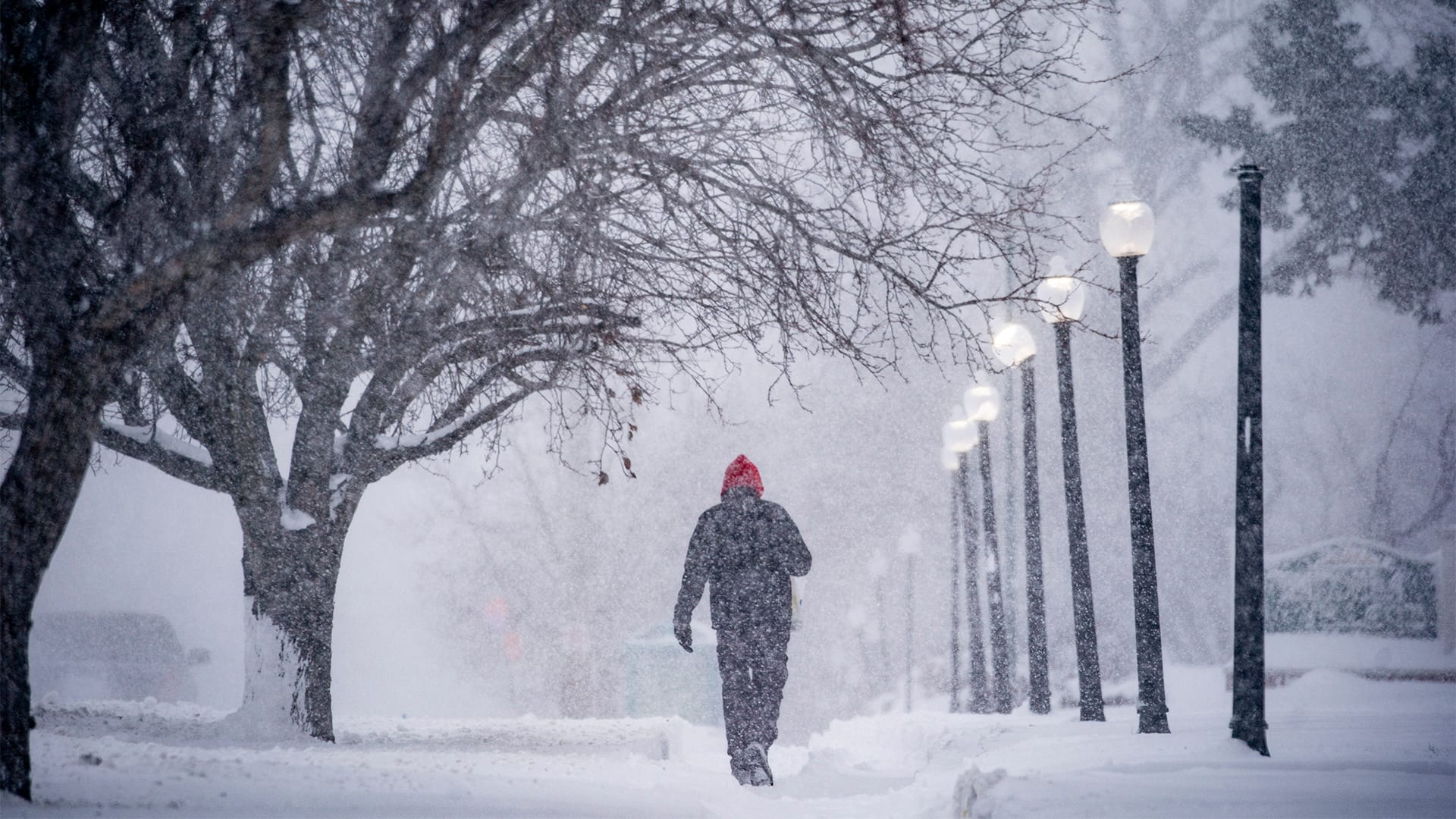
If the polar vortex does indeed weaken, it could lead to a series of cold snaps and intense winter storms in many regions, particularly across the northeastern United States and parts of Europe. The forecast anticipates that through January 2024, temperatures could drop significantly as cold air outbreaks become more frequent. This could challenge the usual winter preparations, affecting everything from energy consumption to travel and food supply chains.
Conclusion and Implications
This forecast has significant implications for everyone, from homeowners to businesses relying on consistent weather patterns. If the polar vortex behaves as predicted, residents in colder regions should prepare for extreme winter conditions. It also raises questions about the longer-term impacts of climate change on the polar vortex and how that could reshape winter norms in the future. As we navigate these changes, staying informed about the polar vortex forecast will remain essential for effective planning and preparedness this winter.