









Introduction
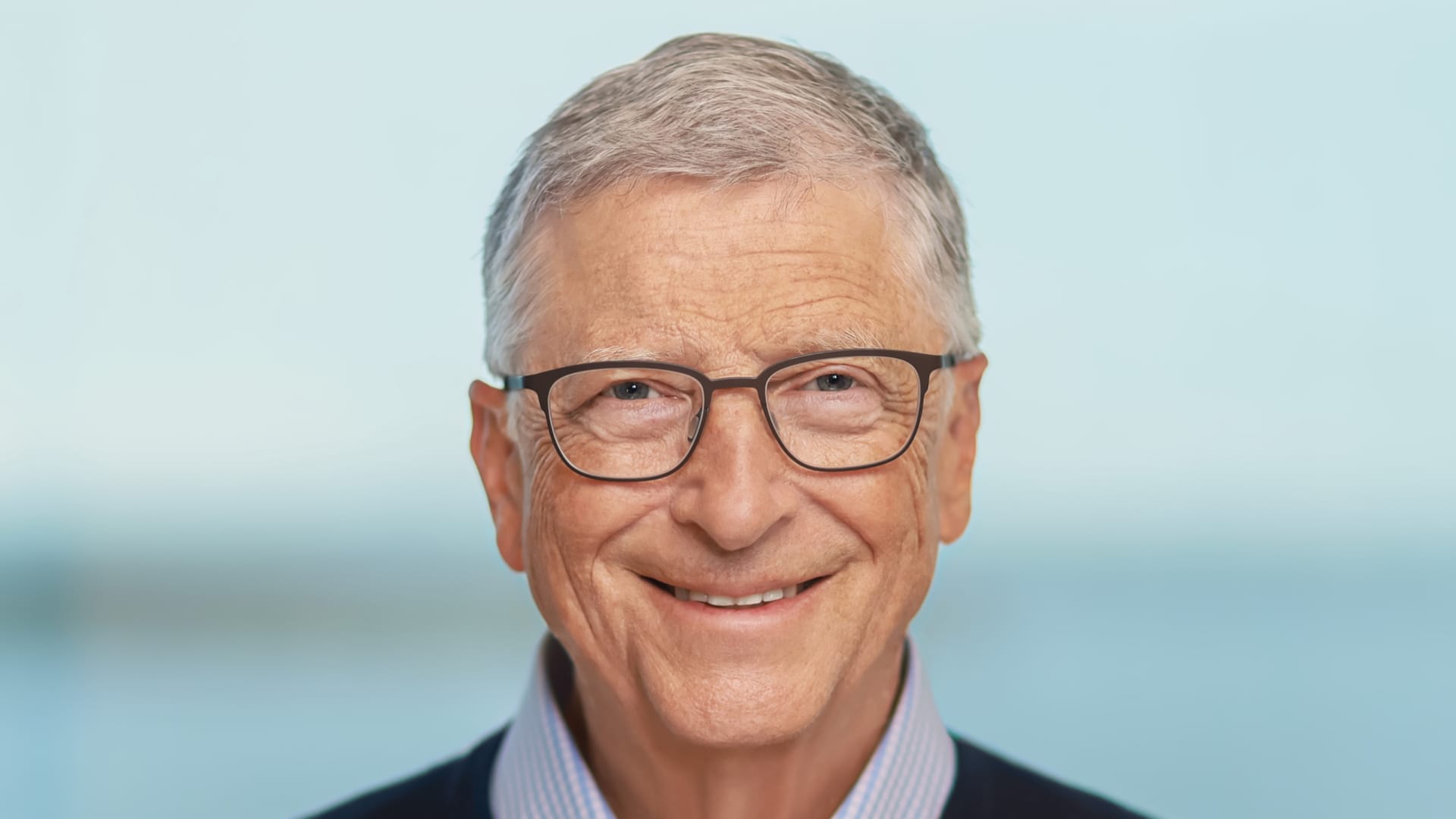
Bill Gates, co-founder of Microsoft, has long been regarded as one of the most influential figures in the technology industry. However, in recent decades, he has also become a prominent philanthropist, dedicating his resources to a range of global health and education initiatives. His efforts have significantly impacted millions of lives around the world, making his work not only relevant but essential in the current landscape of global challenges.
The Philanthropic Journey
In 2000, Gates and his then-wife Melinda established the Bill & Melinda Gates Foundation, which has since become the largest private charitable foundation in the world. The foundation focuses on areas such as global health, poverty alleviation, and education reform. Some of its hallmark projects include the fight against malaria, HIV/AIDS, and polio. Recently, their efforts have been pivotal in addressing the COVID-19 pandemic, providing substantial funding for vaccine development and distribution.
Recent Initiatives
In 2023, Gates announced an expansion of the foundation’s focus to include climate change initiatives, addressing the nexus between health and environmental sustainability. As part of this plan, the foundation has committed over $2 billion to support clean energy innovations and promote agricultural practices that allow for sustainable farming in developing countries. These efforts align with global calls to action to combat climate change while ensuring food security.
The Significance of Gates’ Work
Gates’ philanthropic efforts underscore the importance of leveraging wealth for global good. His initiatives have inspired a movement amongst other billionaires to pledge their resources towards philanthropy, as seen with the Giving Pledge, which encourages wealthy individuals to donate at least half of their fortunes to charitable causes. However, Gates’ work has not been without controversy; critics have raised questions about the influence of billionaires in public health decisions and the potential for market monopolies.
Conclusion
As Bill Gates continues to expand his philanthropic initiatives, his work is poised to remain at the forefront of global health and education advancements. The ongoing challenges presented by climate change and public health crises ensure that Gates’ contributions will be crucial in the coming years. For readers, understanding the breadth of Gates’ influence provides valuable insight into the role of philanthropy in addressing some of the world’s most pressing issues. As his story evolves, so too does the conversation around the responsibilities of the wealthy in fostering societal change.