









Introduction
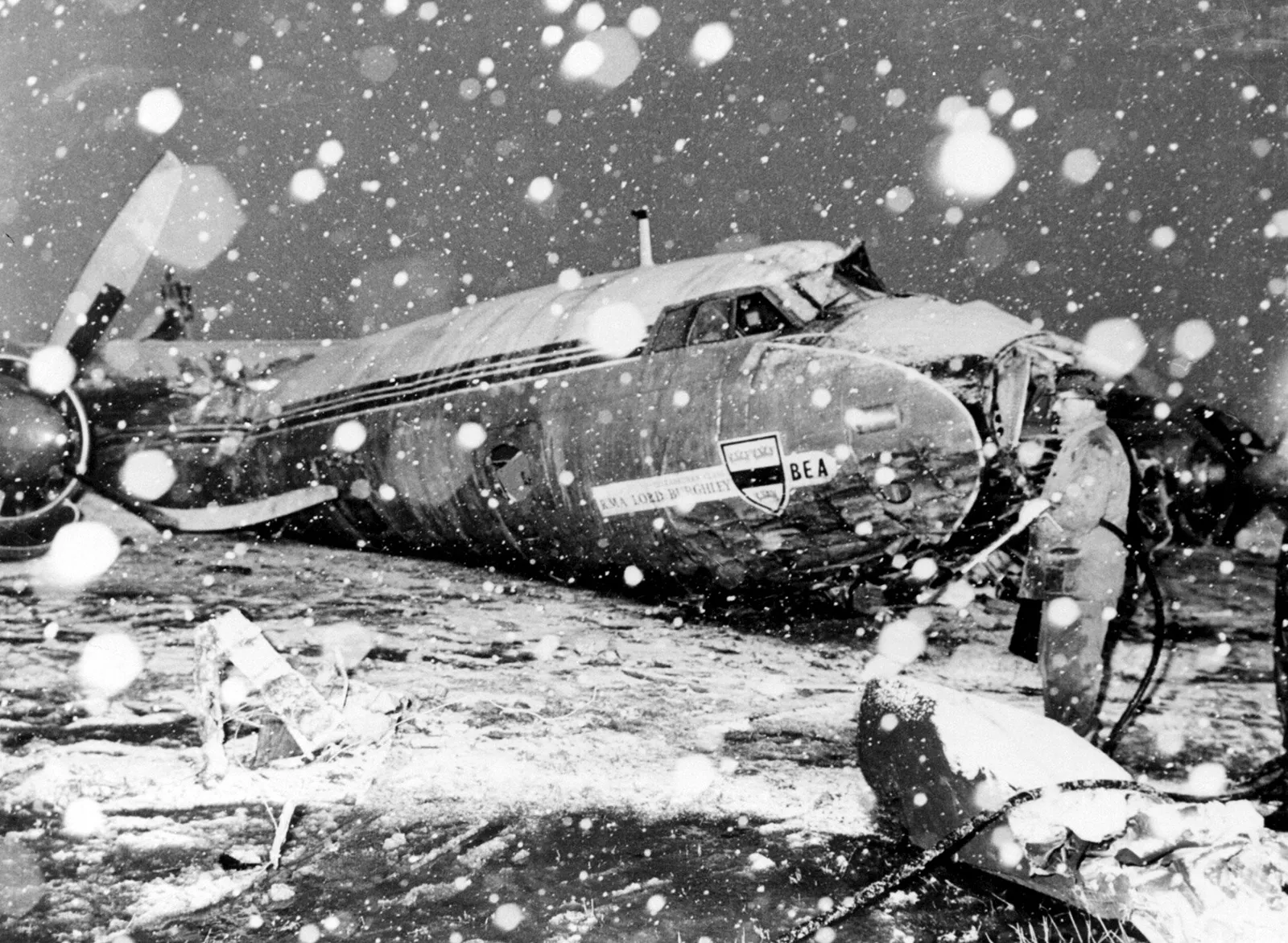
The Munich Air Disaster, which occurred on February 6, 1958, is one of the darkest days in the history of football, marking a profound loss for Manchester United and sports fans worldwide. This tragic event not only claimed the lives of 23 individuals, including eight prominent Manchester United footballers, but it also had lasting impacts on the club, its community, and the sport itself.
Details of the Disaster
The accident took place when the British European Airways flight 609, carrying the Manchester United team back from a European Cup match in Belgrade, Yugoslavia, crashed during takeoff from Munich-Riem Airport. The flight had already made two failed attempts to take off due to slush on the runway, and on the third attempt, the plane failed to gain enough altitude, hitting a fence and ultimately crashing back onto the runway.
Among the victims were legendary players such as Duncan Edwards, Roger Byrne, and Tommy Taylor, along with coaching staff, journalists, and other personnel. Their untimely deaths not only devastated the club but also shocked the entire nation. The tragedy was a significant blow to the sporting world, with Manchester United being one of the most popular and successful football teams at the time.
Impact on Football and Legacy
The Munich Air Disaster had an immediate and profound impact on Manchester United. The club had to rebuild its team from the ground up, leading to new strategies and talents being nurtured in the years that followed. Sir Matt Busby, the club’s manager, displayed remarkable resilience, guiding the rebuilding process and eventually leading the team to further glory in the 1960s and beyond.
This disaster not only reshaped Manchester United but also influenced aviation safety regulations and procedures. The lasting implications of the incident prompted considerable changes in the aviation industry, ensuring greater safety for future travelers.
Conclusion
As we reflect on the Munich Air Disaster today, it is vital to remember both the tragedy of that day and the resilience that followed. The event has become a significant part of football history, commemorated annually by fans and clubs alike. It serves as a stern reminder of the fragility of life and the profound impacts that sports can have, fostering a sense of community and shared memory. Furthermore, it highlights the importance of safety in aviation, reminding us that tragedies can lead to necessary reform and change.