








Introduction
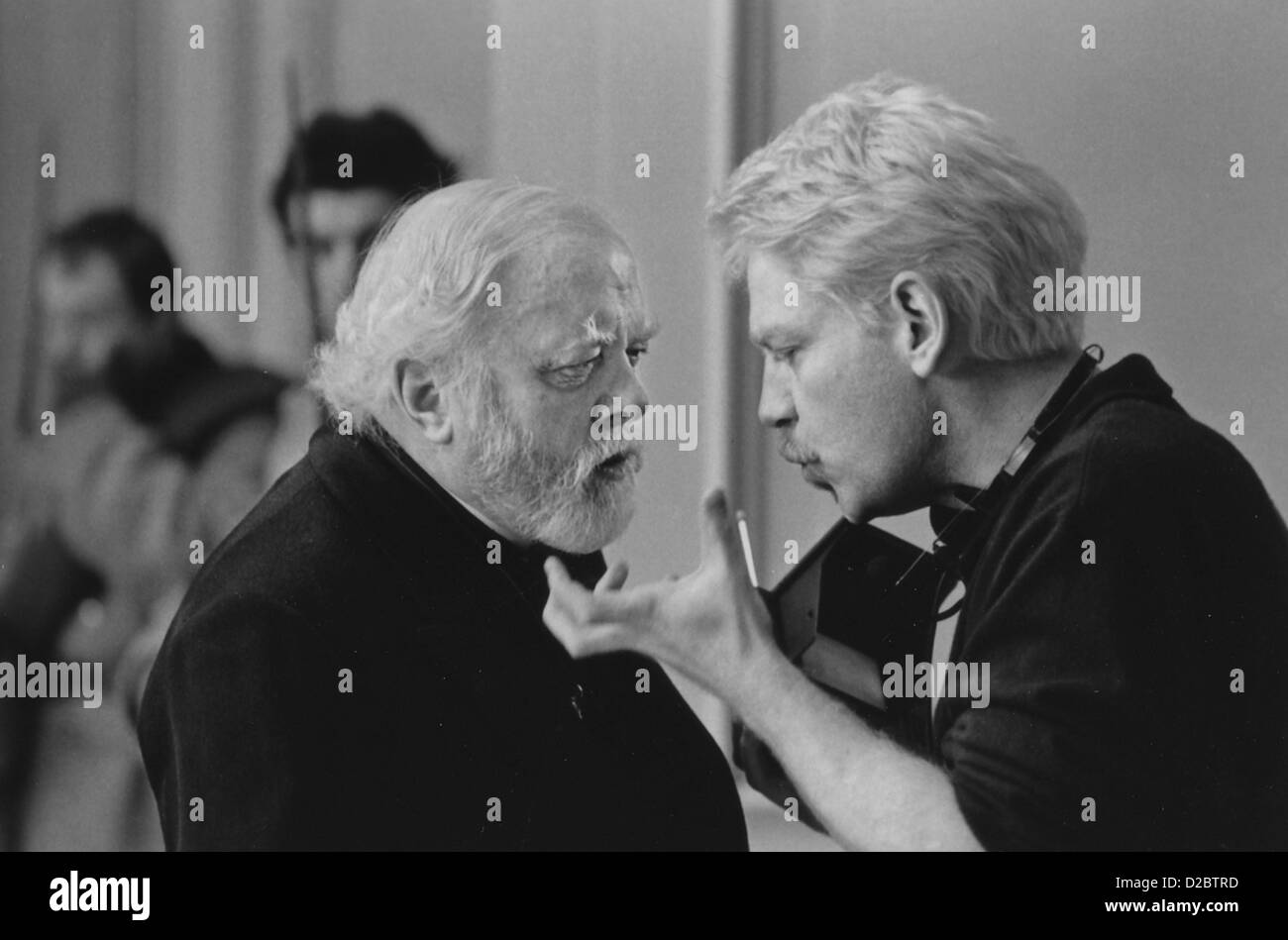
Kenneth Branagh is a name synonymous with excellence in the realms of acting, directing, and producing. With a career spanning over three decades, Branagh has become one of the most respected figures in the entertainment industry. His ability to adapt Shakespearean plays for the big screen and his impressive range as an actor have made significant contributions not only to cinema but also to theatre. As he continues to work on new projects, understanding Branagh’s influence is essential for fans of film and theatre alike.
Career Highlights
Born in Belfast, Northern Ireland, in 1960, Branagh showcased his talent early on. He gained considerable acclaim for his role in the film adaptation of ‘Henry V’ in 1989, which he directed and starred in. This marked the beginning of his journey as a filmmaker, and it helped usher in a renewed interest in Shakespeare among cinema goers. His expertise in Shakespearean works has since led him to direct and act in numerous adaptations, including ‘Much Ado About Nothing’ and ‘Hamlet’.
Branagh’s versatility extends beyond classic texts; he has taken on roles in contemporary films as well. Recent successes include his role in ‘Dunkirk’ (2017), directed by Christopher Nolan, where he portrayed a Royal Navy officer amidst World War II chaos. Additionally, his directorial work on ‘Murder on the Orient Express’ (2017) has proven his capability to handle large ensemble casts and intricate narratives.
Recent Projects and Future Direction
In 2021, Branagh’s semi-autobiographical film ‘Belfast’ won critical acclaim, delving into his childhood during the tumultuous late 1960s in Northern Ireland. The film, which earned numerous awards and nominations, showcasing the impact of personal history on creativity and storytelling. Its success further solidified Branagh’s position as a masterful storyteller and director.
Branagh is also set to direct a new adaptation of ‘A Streetcar Named Desire’, a project that has been generating excitement among theatre enthusiasts and filmgoers. This upcoming project reflects his ongoing commitment to exploring classic works and bringing them to modern audiences.
Conclusion
Kenneth Branagh’s multifaceted talent and contributions to both theatre and film demonstrate the power of storytelling across mediums. As he continues to push creative boundaries, his influence is likely to inspire future generations of artists. Whether through his engaging performances or innovative directorial choices, Branagh’s legacy is firmly established as one of the greats in modern cultural history. Fans and critics alike should look out for his upcoming projects, as they will undoubtedly showcase his enduring passion for the arts.