









Introduction
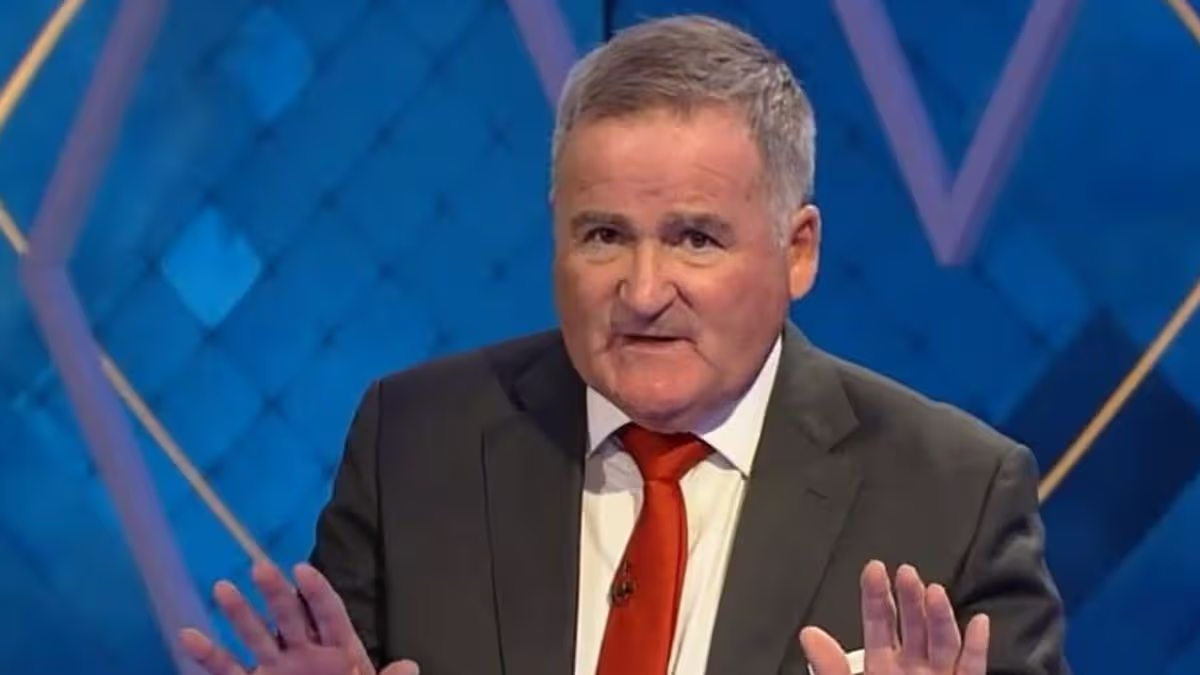
Richard Keys is a prominent figure in sports journalism, particularly within the realm of football. As a broadcaster and commentator, he has garnered a significant audience over three decades. His career is marked by high-profile events, controversies, and a steadfast presence in the sports media landscape, making his journey particularly relevant to fans and followers of the sport.
Career Highlights
Keys began his broadcasting career in the late 1980s with a local radio station, gradually making his way up to major networks. He became widely recognised for his role on Sky Sports, where he presented various shows including “Soccer Saturday”. Over the years, he interviewed numerous football legends and covered significant events such as World Cups and UEFA Champions League matches.
Despite several accolades, Keys’ career has not been without controversies. His departure from Sky Sports in 2011 stemmed from the criticism regarding comments he made about female footballers, raising discussions about gender representations in sports media. Following this, he continued his career with various outlets, including beIN Sports, where he remains a key figure, providing insights and commentary on global football.
Current Developments
In recent months, Keys has continued to influence football commentary through his presence on social media and various media appearances. He uses platforms like Twitter to engage with fans, sharing opinions on match performances and industry news. David Beckham’s dealings at Inter Miami and the ongoing discussions surrounding the English Premier League’s trajectory have been recurring topics for Keys, as he taps into the latest developments in the sport.
Conclusion
Keys remains a significant voice in football commentary, illustrating the evolving dynamics of sports journalism within a digital context. His career trajectory showcases the balance between insight and controversy, leaving a lasting impact on the industry. As sports media continues to adapt to new audiences, individuals like Richard Keys will no doubt play a critical role in shaping the future of football narratives.