









Introduction
Steve Evets is an English actor and writer, celebrated for his diverse range of performances in film and television. With a career spanning several decades, he has made a significant impact in the entertainment industry and has attracted attention for both his talent and his distinctive approach to acting. Understanding his journey provides insights into the complexities of pursuing a career in the performing arts, making him a relevant figure in contemporary discussions about creativity and representation in media.
Early Life and Background
Born in 1961 in Salford, England, Steve Evets grew up in a working-class family. From an early age, he showed a flair for performance, gravitating towards local theatre productions. He honed his craft at various acting workshops and community theatres, where he developed his unique style that combines authenticity with a dash of eccentricity. This formative period would serve as the foundation for a successful career ahead.
Notable Works and Achievements
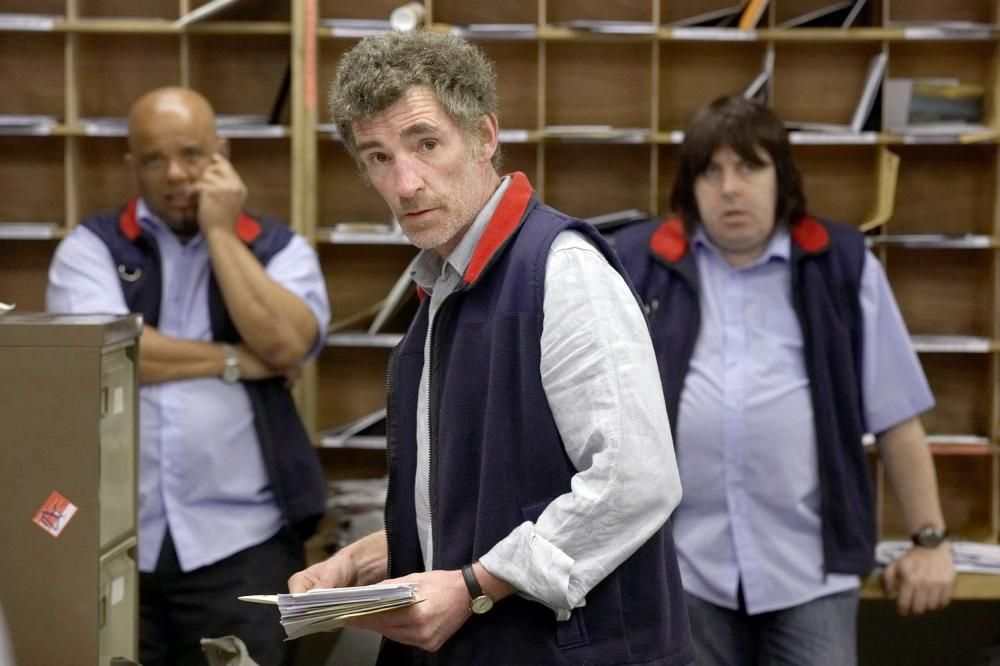
Evets gained widespread recognition for his role in the 2009 film ‘Looking for Eric’, directed by Ken Loach. In this critically acclaimed film, he portrayed a postal worker who seeks advice from his football hero, Eric Cantona. The performance was both humorous and poignant, showcasing Evets’ ability to blend dramatic depth with comedic timing.
In recent years, he has also made appearances in popular television shows, including the long-running series ‘Shameless’, where he showcased his versatility. Beyond acting, Evets is also a writer, having penned scripts that reflect his life experiences and observational humour.
Recent Developments
In 2023, Evets made headlines by announcing his new project, a collaborative theatre piece that provides commentary on societal issues through a comedic lens. This latest venture exemplifies his commitment to exploring deeper themes while remaining relatable to ordinary audiences. His participation in festivals and local performances continues to inspire aspiring actors and writers.
Conclusion
Steve Evets stands as a testament to the potential of individual creativity within the arts. As he continues to evolve as an actor and writer, his work not only entertains but also invites audiences to reflect on their own lives. Looking ahead, it will be interesting to see how he balances traditional roles with progressive storytelling, further enriching the landscape of modern theatre and film. For readers, following Evets’ career can provide valuable insights into the dedication required to thrive in the arts, offering inspiration for those pursuing similar paths.