









Introduction
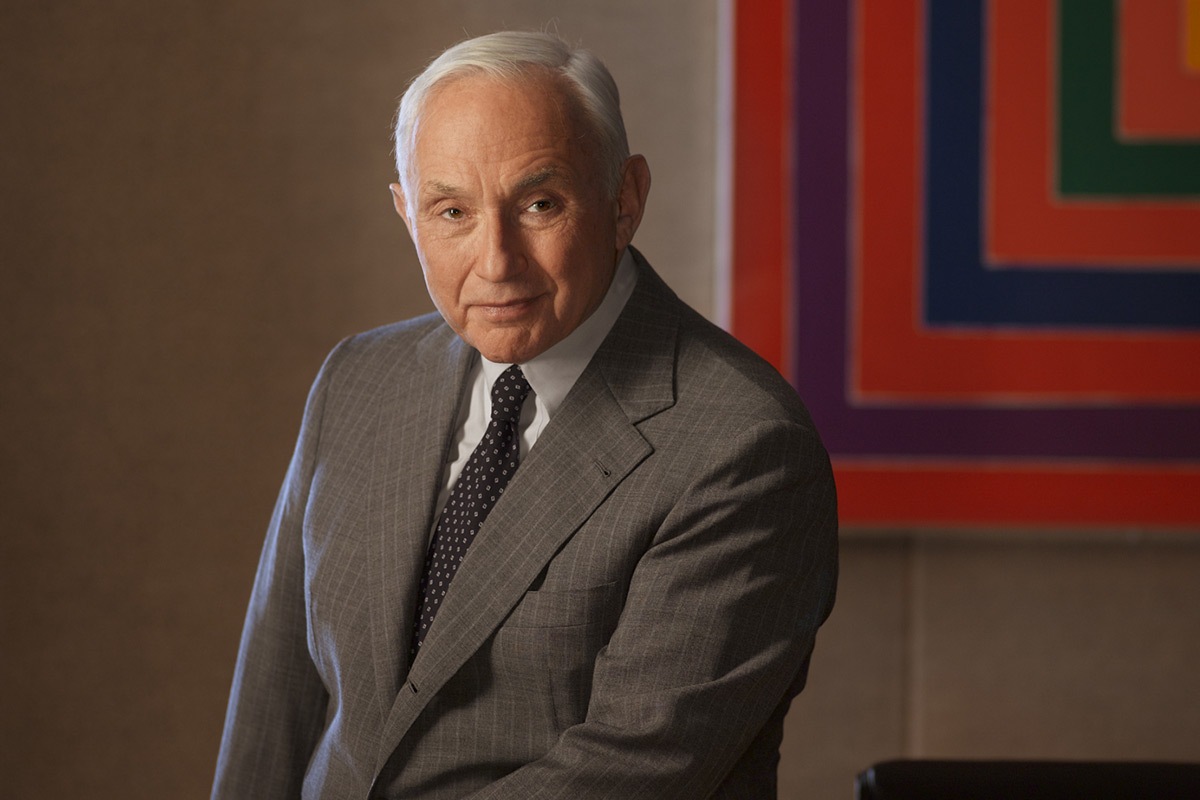
Leslie Wexner, a prominent figure in the retail business, is known for his transformative role as the CEO of L Brands (formerly Limited Brands). With a keen understanding of the retail landscape and consumer behaviour, Wexner’s strategies have not only shaped his companies but also had a significant impact on the wider retail industry. His influence continues to be relevant today as retailers navigate challenges and changes in an increasingly digital marketplace.
Career Milestones and Innovations
Leslie Wexner founded The Limited, Inc. in 1963, and through innovative marketing strategies and a focus on brand development, Wexner quickly expanded the company’s portfolio to include successful brands like Victoria’s Secret, Bath & Body Works, and Abercrombie & Fitch. Under his leadership, Victoria’s Secret became synonymous with lingerie and created a new market space. The establishment of the Victoria’s Secret Fashion Show in the 1990s transformed lingerie marketing, turning it into an entertainment spectacle.
Wexner’s approach to retail was characterised by his understanding of consumers’ evolving needs, which led to the introduction of trend-setting collections and a focus on mall-based retailing. By the 2000s, Wexner steered his company through economic fluctuations by emphasising e-commerce and a strong online presence, a strategy that has allowed L Brands to remain competitive in a rapidly changing landscape.
Recent Developments
In early 2020, Leslie Wexner announced his retirement amid scrutiny regarding the management of his companies and connections to the late Jeffrey Epstein. The departure of Wexner marked the end of an era for L Brands, which subsequently faced challenges in the retail environment influenced by the COVID-19 pandemic. The company has since considered restructuring and refocusing its brand strategies, emphasizing transparency and accountability to restore consumer trust.
Conclusion
Leslie Wexner’s impact on the retail sector is undeniable, with a legacy that shaped shopping experiences and brand marketing strategies. The transition of L Brands post-Wexner will be crucial as it seeks to redefine itself in a market that is increasingly influenced by digital commerce and consumer demands for ethical practices. As we move forward, the retail industry will certainly feel the ripples of Wexner’s innovations and the continuing evolution of his brands.