









Introduction
Since its inception in 2002, Kingdom Hearts has become a defining title in the world of video gaming. The franchise, a unique crossover between Disney characters and Final Fantasy elements, has resonated deeply with fans, creating a love for both nostalgic Disney magic and deep, complex storytelling rooted in RPG mechanics. As the series continues to evolve, it faces both the challenges of maintaining its identity and the excitement of growing its fanbase.
Main Body
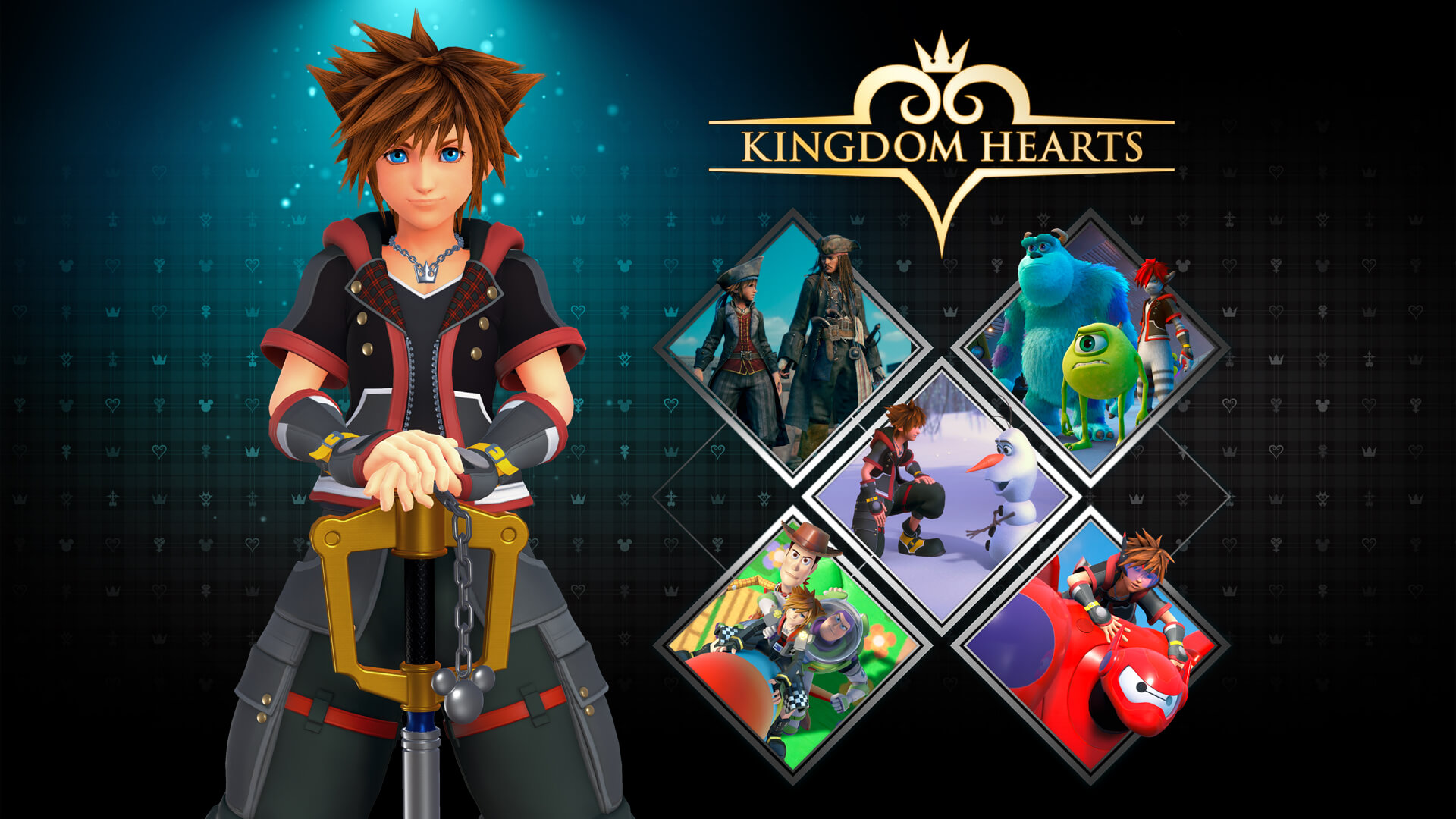
The latest major release, Kingdom Hearts III, was launched in January 2019 after a long-awaited development period, and it promised to conclude the series’ initial saga. The game received mixed reviews regarding its story pacing and combat system, yet it satisfied many fans with its stunning visuals and beloved Disney worlds. After its release, the series continued to expand with additional content, such as DLCs and new games including the rhythm-based title ‘Kingdom Hearts: Melody of Memory’, released in November 2020. This game allowed players to revisit their favourite music tracks while expanding on the lore of the universe.
Since Kingdom Hearts III, fans have eagerly awaited news regarding future titles. At the recent Tokyo Game Show, Square Enix tantalised audiences with a new trailer for Kingdom Hearts IV, hinting at a fresh chapter in the saga. Early footage indicates that the game will further deepen the series’ engagement with different Disney properties, offering thrilling new gameplay mechanics and locations. However, the future remains uncertain. In a market flooded with high-quality RPGs, the challenge lies in developing a game that captures the essence of what makes Kingdom Hearts special while innovating enough to attract new players.
Players’ Perspectives and Community Impact
The Kingdom Hearts community is vast, with active discussions ranging from theories about the complex narratives to fanart and cosplay. Social media platforms and forums enable fans to connect and share their experiences, contributing to the game’s enduring legacy. The blend of familiar Disney settings with original characters like Sora creates a unique attachment that resonates across generations, which is further amplified by nostalgic feelings among longer-term fans.
Conclusion
As we look to the future of the Kingdom Hearts franchise, it is clear that it remains an essential part of gaming culture. The influence of Kingdom Hearts touches not just its players but the gaming industry as a whole, inspiring artistry, storytelling, and community engagement. With upcoming releases on the horizon, the franchise is well positioned to continue capturing the hearts of both new and old fans alike.