









Introduction
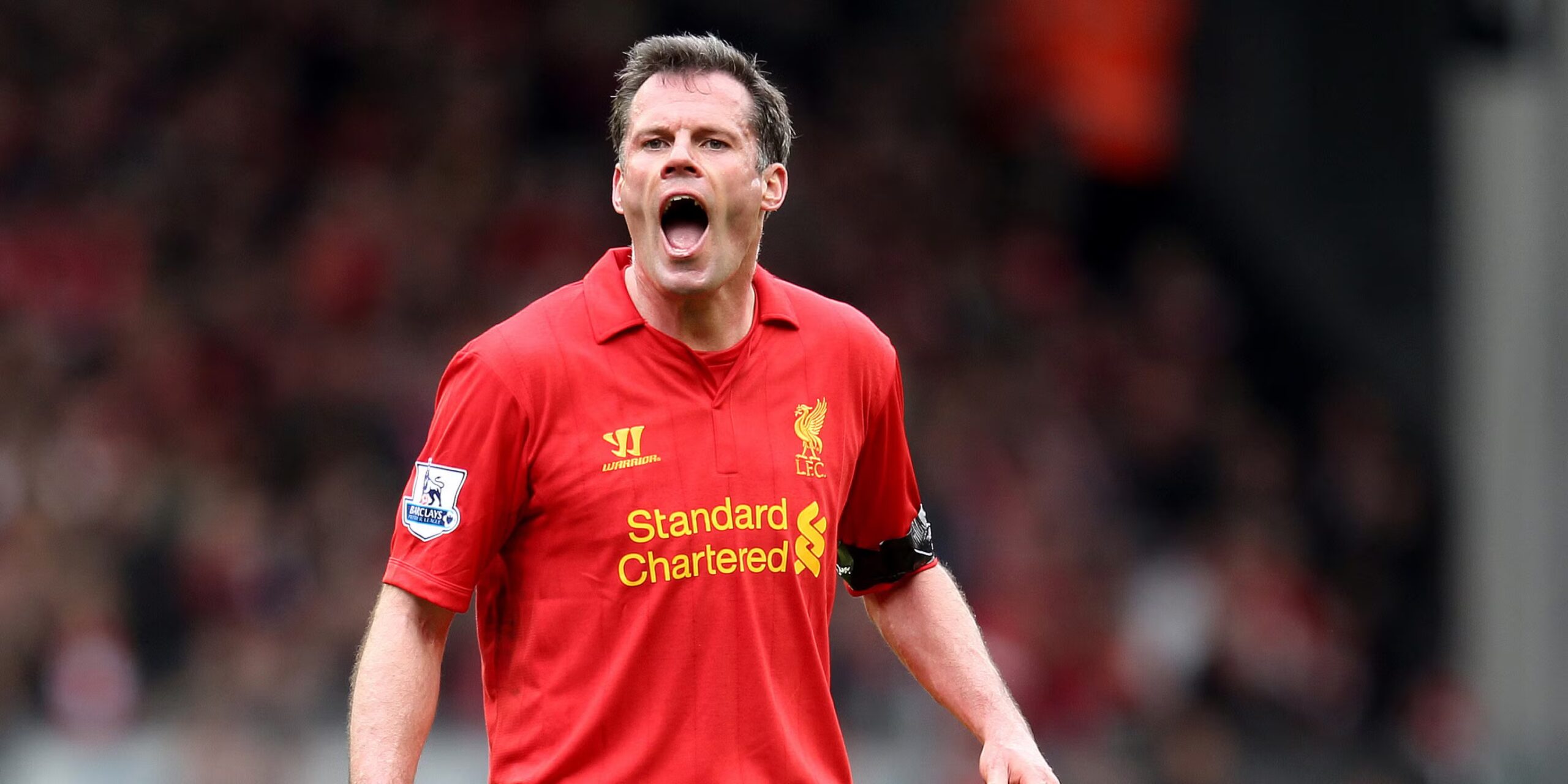
Jamie Carragher, a name synonymous with Liverpool Football Club, continues to play a significant role in football long after his retirement. Known for his passion, defensive skills, and leadership on the pitch, Carragher has transitioned into a prominent sports analyst, shaping football discussions across the UK. His insights not only resonate with football fans but also highlight the evolution of the game in recent years.
Career Highlights
Debuting for Liverpool in 1996, Carragher quickly established himself as a key player, making over 700 appearances for the club. His versatility allowed him to shine in various defensive roles, and he played an integral part in Liverpool’s successes, including the unforgettable UEFA Champions League victory in 2005. That match, often referred to as the “Miracle of Istanbul,” showcased not only his defensive prowess but also his never-give-up attitude. Throughout his career, Carragher earned accolades, including the PFA Team of the Year selections, emphasising his status as one of the top defenders of his generation.
Transition to Analysis
After retiring from professional play in 2013, Carragher seamlessly transitioned into a career in sports analysis. As a pundit for Sky Sports, he has become a familiar face on television, providing expert commentary and insights into matches and player performances. Carragher’s analytical skills have helped redefine football punditry, as he often breaks down game footage and tactics, making complex strategies accessible to everyday fans. His commitment to fairness and objectivity in analysis has earned him respect, although it hasn’t kept him from controversially critiquing players and managers alike.
Current Relevance
As of 2023, Carragher remains influential in the football community, frequently featuring in debates around player transfers and managerial decisions. His viewpoints on social media platforms also engage millions, making him a significant voice among football commentators. Recently, discussions surrounding the future of the Premier League and various club strategies have him at the forefront, especially regarding managerial tactics and player development. With the rise of data analytics in football, Carragher has adapted to include these discussions in his analysis, showcasing an evolving understanding of the game.
Conclusion
Jamie Carragher’s journey from a dedicated Liverpool player to a respected football analyst highlights not only his love for the game but also the enduring impact he has had on football culture in the UK. As he continues to engage in discussions, his influence is likely to grow, shaping new generations of fans and professionals. Readers can look forward to his insights as the football world continues to evolve, emphasising the necessity of adapting and understanding the game’s complexities.