









Introduction
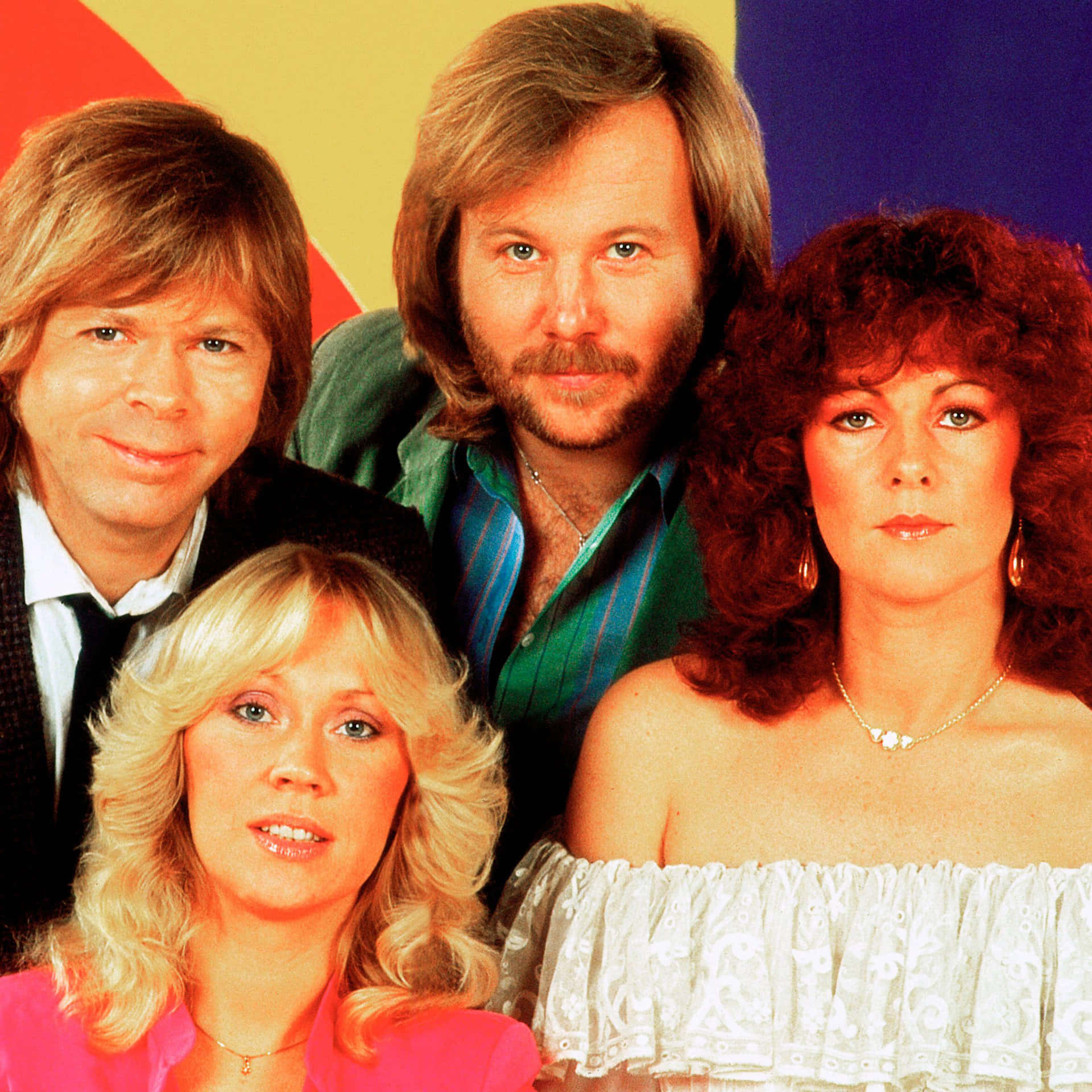
ABBA, the iconic Swedish pop group established in the early 1970s, has continued to shape the music industry with their unforgettable melodies and timeless hits. The relevance of ABBA today is marked not only by their music but also their influence on contemporary pop culture and their recent reunion which captivated audiences globally. This year marks significant milestones that reinforce their enduring legacy.
ABBA’s Impact on Music
Initially achieving global fame with hits like ‘Dancing Queen’, ‘Mamma Mia’, and ‘Waterloo’, ABBA has sold over 385 million records worldwide, making them one of the best-selling music artists in history. Their distinct sound, characterised by catchy tunes and complex harmonies, has influenced numerous artists across genres. In recent years, their music has seen a revival, thanks to the success of the Mamma Mia! musical and film adaptations that have introduced their songs to a newer audience.
Recent Events
In 2021, ABBA reunited for the first time in nearly four decades, releasing a new album titled ‘Voyage’, featuring tracks that hark back to their golden era while also showcasing their evolved sound. Alongside this, they announced a revolutionary concert residency in London that incorporates advanced technology, allowing digital avatars of the band to perform alongside live musicians. This innovative event has garnered significant attention and reflects the group’s commitment to both nostalgia and modernity.
The Significance for Readers
As ABBA continues to captivate new generations, their recent projects highlight the group’s resilience and adaptability within an ever-changing music landscape. Their reunion and innovative approaches serve as reminders of the power of music to bridge gaps between generations. With their legacy influencing new artists and their songs still resonating with audiences around the world, ABBA is here to stay. It is evident that the cultural impact of ABBA will continue to flourish, making their story relevant for both fans and newcomers alike.