









Introduction
The God of War franchise stands as one of the most revered and influential series in the gaming industry. Often celebrated for its high-quality storytelling, stunning visuals, and immersive gameplay, the series continues to win the hearts of players globally. With the recent release of God of War Ragnarök, the franchise’s relevance is at an all-time high, making it worthwhile to explore its development and cultural significance.
Franchise Evolution
Originally launched in 2005 by Santa Monica Studio, the first installment of God of War introduced players to the character of Kratos, a fierce warrior driven by revenge against the gods of Olympus. The gameplay was groundbreaking, merging hack-and-slash mechanics with puzzle-solving and exploration in a captivating ancient Greek mythology setting.
The 2018 reboot, simply titled God of War, shifted the narrative to Norse mythology, introducing Kratos’s son, Atreus, and exploring themes of fatherhood and redemption. This fresh approach not only expanded the franchise’s lore but also attracted a new generation of players. Critics hailed it as a masterpiece, earning numerous Game of the Year awards.
Recent Developments
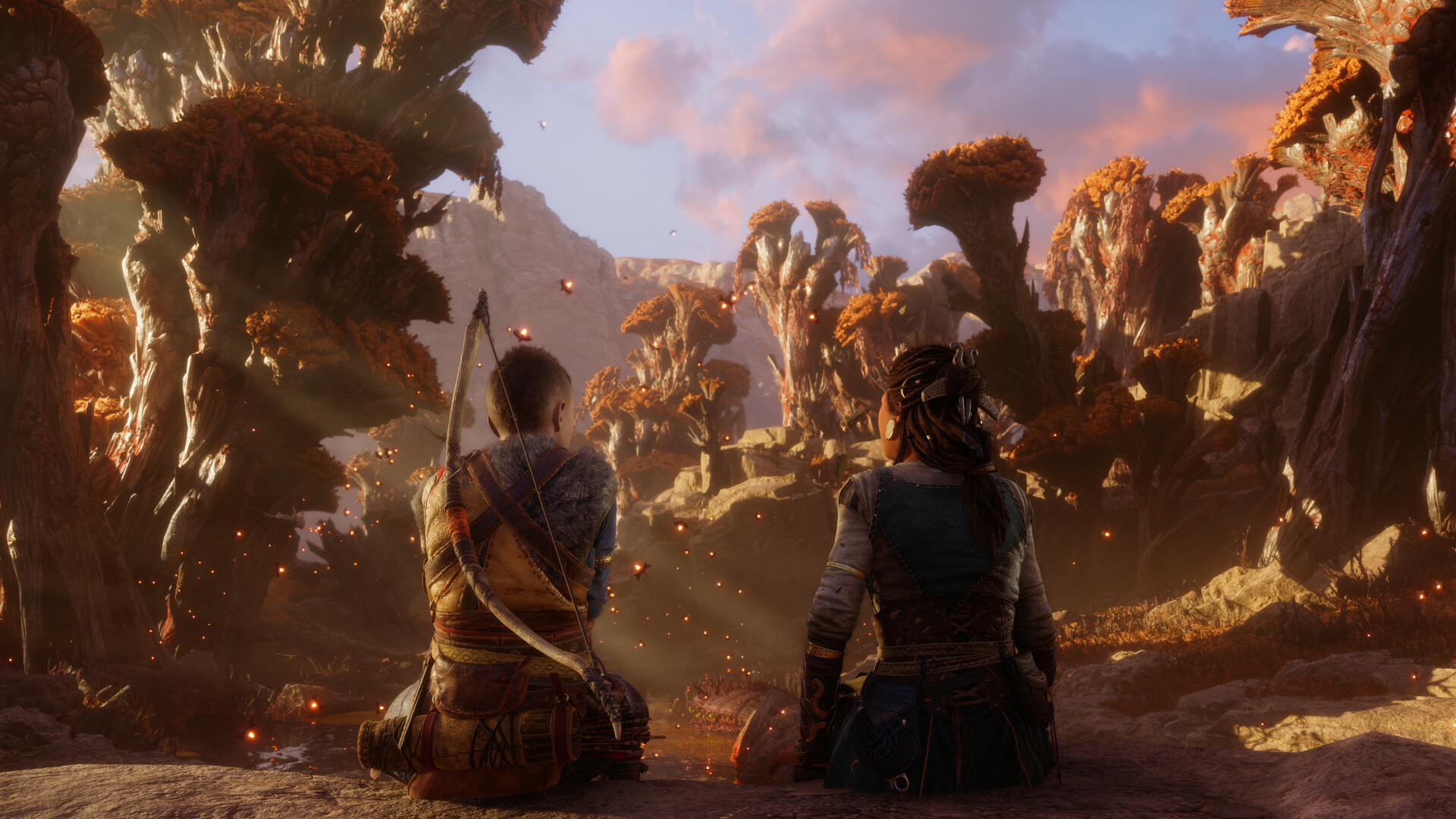
In November 2022, God of War Ragnarök was released to massive anticipation. Building on the narrative established in the previous title, it dives deeper into Norse myths, following Kratos and Atreus as they face the looming threat of Ragnarök. The game has been praised for its rich storytelling, character development, and expansive world design.
The gameplay has seamlessly evolved, with enhanced mechanics that maintain the series’ core while adding elements like new weapons and combat strategies, keeping the experience engaging for both veteran players and newcomers.
Impact on Gaming Culture
The influence of God of War extends beyond mere entertainment; it has also shaped the design and narrative styles of many games that followed. The franchise’s ability to blend personal storytelling with epic battles has set a standard for action-adventure games. Additionally, its successful adaptations into novels and comic series highlight its cultural significance, furthering the reach of its narrative.
Conclusion
God of War is not just a gaming series; it is a remarkable cultural phenomenon. As the franchise continues to innovate with new releases and adaptations, it firmly secures its place in gaming history. The upcoming years will likely explore new narratives and mythologies, keeping players engaged and allowing the franchise to evolve along with its audience. This enduring impact reminds us of the power of storytelling and artistry in video games, ensuring that God of War remains a pivotal element of both the industry and the hearts of its fans.