









Introduction
Michael Carrick, a name synonymous with excellence in football, transcends his time as a player with his recent rise as a manager. Known for his calmness on the pitch, Carrick’s journey reflects not only his talent but also his substantial contributions to the game. This article explores his career, highlighting his transition from player to manager and the implications it has for football in the UK and beyond.
Playing Career
Born on July 28, 1981, in Wallsend, Tyne and Wear, Carrick began his professional journey with West Ham United, debuting in 1999. He subsequently moved to Tottenham Hotspur before making a significant mark at Manchester United from 2006 to 2018. During his illustrious career, Carrick won five Premier League titles, one FA Cup, three League Cups, and the UEFA Champions League. He also earned 34 caps for the England national team, representing his country in major tournaments including the World Cup and European Championships.
Transition to Management
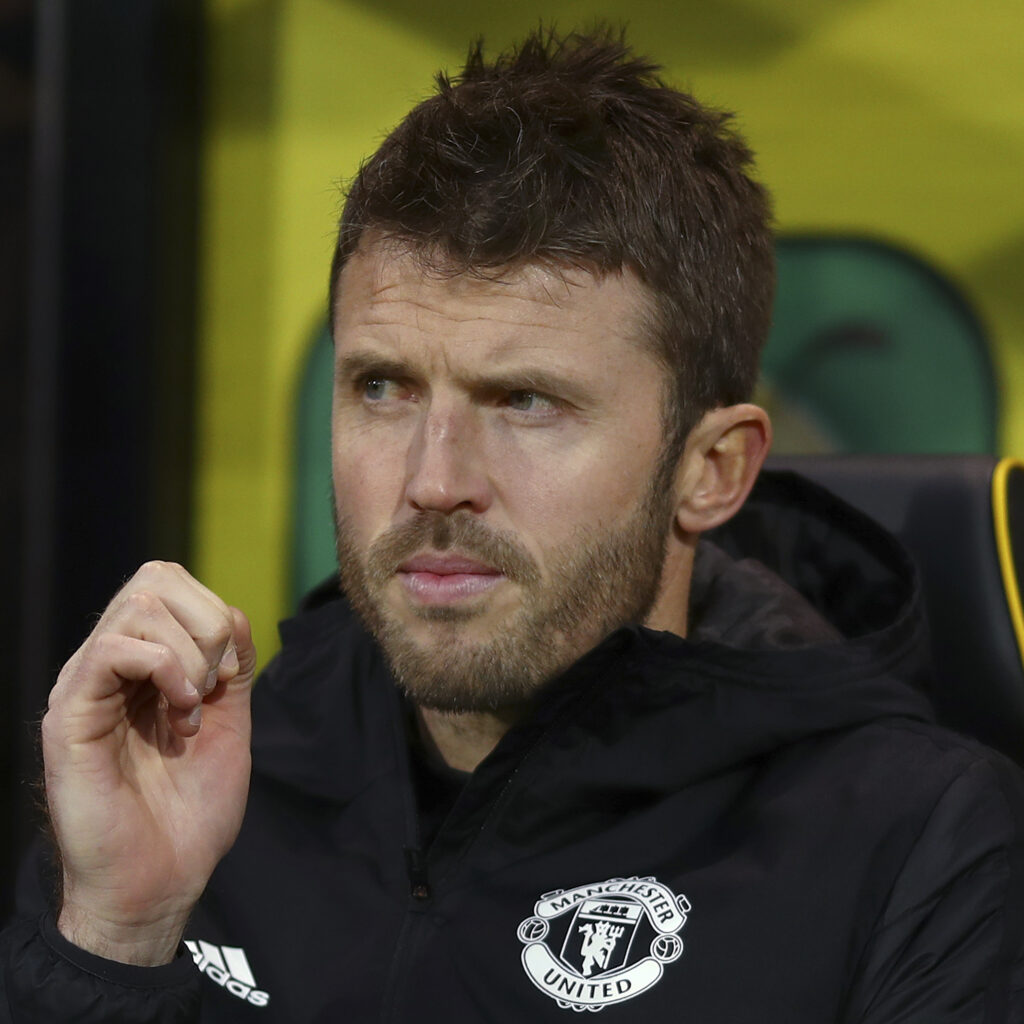
After retiring from playing, Carrick joined Manchester United’s coaching staff, where he served under various managers, including Ole Gunnar Solskjær. He took on the role of interim manager in November 2021 following Solskjær’s dismissal. Carrick managed the team for three matches, securing two wins and a draw, showcasing his tactical intelligence and leadership. His managerial debut drew attention as he steered the team to a 2-0 victory over Villarreal in the UEFA Champions League.
Significance and Future Prospects
As he continues his journey in management, Carrick’s philosophy emphasizes nurturing young talent and promoting an attacking style of play. His experiences as a player provide him with unique insights that could benefit aspiring footballers especially within the ranks of Manchester United. The potential of Carrick as a long-term managerial candidate is noteworthy, as he represents a new wave of managers, focusing on player development and attacking football.
Conclusion
Michael Carrick’s influence continues to shape the landscape of modern football. His transition from player to managerial roles suggests a growing trend of former professional players stepping into management, where their on-the-field experiences can prove invaluable. As Carrick develops his managerial style and philosophy, the football community watches with keen interest, charting his path and the potential impacts his leadership will have on future generations of players.