









Introduction
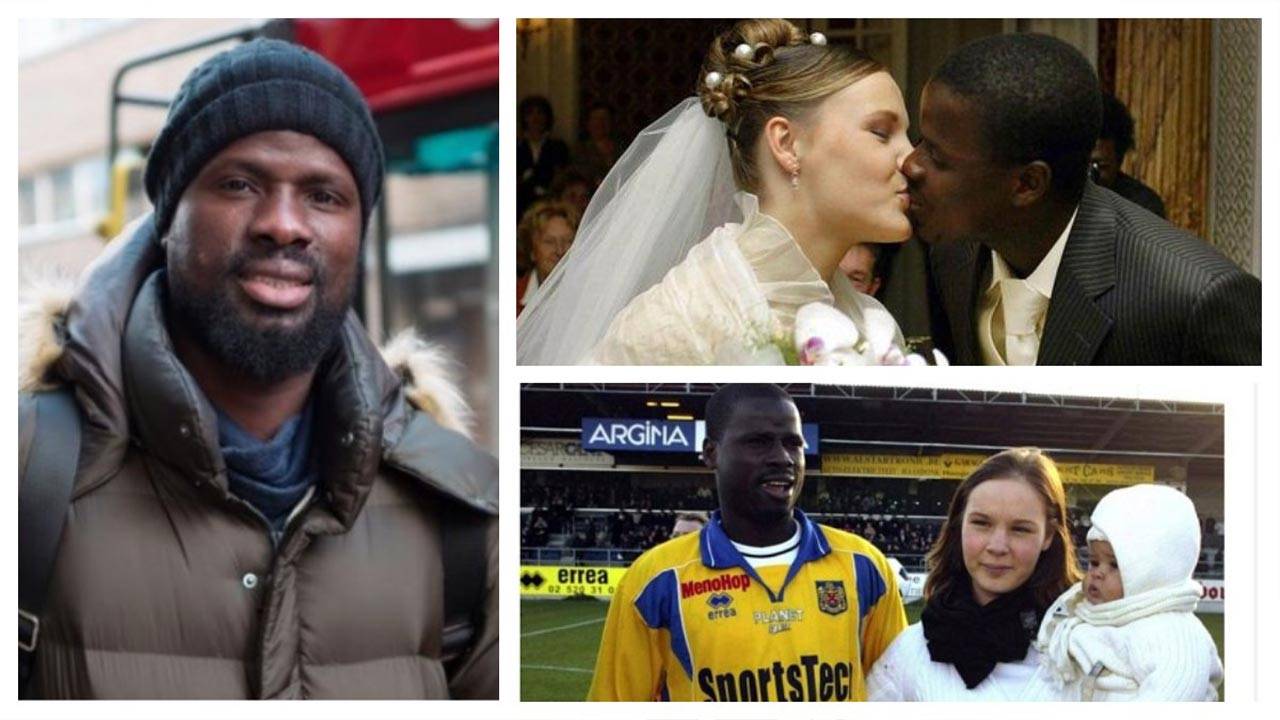
Emmanuel Eboué, the former Ivorian footballer, is a name that resonates within the football community due to his impressive performances on the pitch and his recent personal challenges. Known for his time at Arsenal and the Ivory Coast national team, Eboué’s career highlights his incredible talent and the impact he had in the football world, making his story essential to discuss in the context of both sports and mental health awareness.
Football Career
Emmanuel Eboué began his career in professional football in 2002 with ASEC Mimosas in his native Ivory Coast. His exceptional skills soon caught the attention of European clubs, leading to a transfer to Belgium’s Beerschot AC in 2004. His big move came in 2005 when he signed with Arsenal, where he quickly established himself as a key player. During his time at the club, Eboué made over 200 appearances and played a significant role in the Gunners’ success, including reaching the UEFA Champions League final in 2006.
Eboué was known for his versatility, primarily playing as a right-back but also excelling in midfield positions. His energetic playing style and contributions to the team’s dynamic earned him admiration from fans and players alike. In addition to his club success, Eboué represented the Ivory Coast on the international stage, participating in multiple African Cup of Nations tournaments and the FIFA World Cup.
Recent Challenges
Despite his successful football career, Eboué faced significant personal struggles after retiring from professional football. Reports of financial troubles and mental health issues emerged, highlighting the often-overlooked challenges athletes can face after their careers end. In interviews, Eboué opened up about his feelings of depression and loneliness, capturing the attention of both the public and mental health advocates.
In 2021, he received support from various organisations dedicated to mental health awareness, which has helped him in his journey to recovery. Eboué’s candidness regarding his struggles has sparked conversations about the importance of mental health support for athletes and the need to create an environment where they can discuss their challenges openly.
Conclusion
Emmanuel Eboué’s journey is a profound reminder of the duality of success and struggle. While his accomplishments on the pitch are commendable, the challenges he has faced off the pitch illustrate the importance of mental health awareness in sports. As society continues to evolve in its understanding and support of mental health issues, Eboué’s story stands as both a cautionary tale and a source of inspiration for many. Moving forward, it is crucial for sports organisations, clubs, and communities to prioritise support systems for athletes transitioning out of their sporting careers, ensuring stories like that of Emmanuel Eboué become less common, allowing more focus on well-being and mental health.