









Introduction
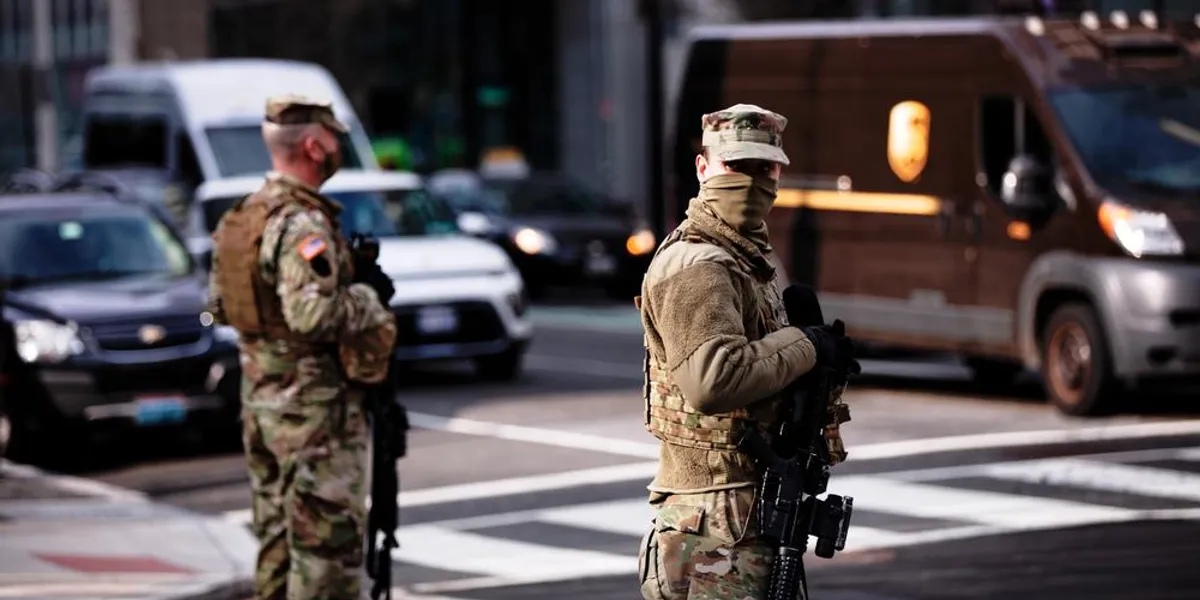
The Insurrection Act, a significant piece of United States legislation, allows the President to deploy military forces in response to civil disorder, insurrection, or rebellion. With roots dating back to the early 19th century, this act has become increasingly relevant in discussions of governance, civil rights, and law enforcement, particularly in the context of recent events surrounding protests and civil unrest in the United States.
Historical Context
Initially passed in 1807, the Insurrection Act has been invoked several times throughout history, often in periods of intense civil unrest. The act allows for federal troops to be deployed, overriding state laws, to restore order. It was notably invoked during the civil rights movement, when federal troops were used to enforce school desegregation in the South.
Recent Developments
Recent years have seen renewed discussion surrounding the Insurrection Act, especially during the nationwide protests following the death of George Floyd in 2020. Various officials and commentators debated whether the act should be invoked to manage these protests, especially as instances of violence and property damage began to escalate. Critics of invoking the act argue that it undermines local law enforcement and can lead to increased tensions between citizens and the military.
In 2021, concerns arose again during the Capitol riots on January 6, where lawmakers were put under significant stress as they considered the implications of civil disorder and the potential need for military intervention. Although the Insurrection Act was not invoked in this instance, the conversation surrounding its potential use highlighted the balance between maintaining order and protecting civil liberties.
Implications for Law Enforcement and Civil Rights
The debate over the Insurrection Act raises important questions about the role of the military in domestic matters. The act’s potential invocation poses significant risks, especially regarding civil rights. Critics warn that using military force to quell civil protests could set a dangerous precedent for governmental overreach and the suppression of dissent.
Furthermore, there are ongoing discussions regarding the act’s relevance in today’s society, as the American public grapples with the complex interplay between security and freedom. Legal experts suggest that invoking the act may not be an effective or appropriate response in modern contexts, urging the need for law enforcement reforms to address the root causes of civil unrest instead.
Conclusion
The Insurrection Act remains a vital part of the legal framework governing how the government responds to threats of civil disorder. As discussions about its relevance and implications continue, it is essential for citizens to stay informed and engaged with these critical issues that intersect the realms of law enforcement, civil rights, and democratic governance. Understanding the act can help individuals better comprehend their rights and the government’s responsibilities in times of crisis.