









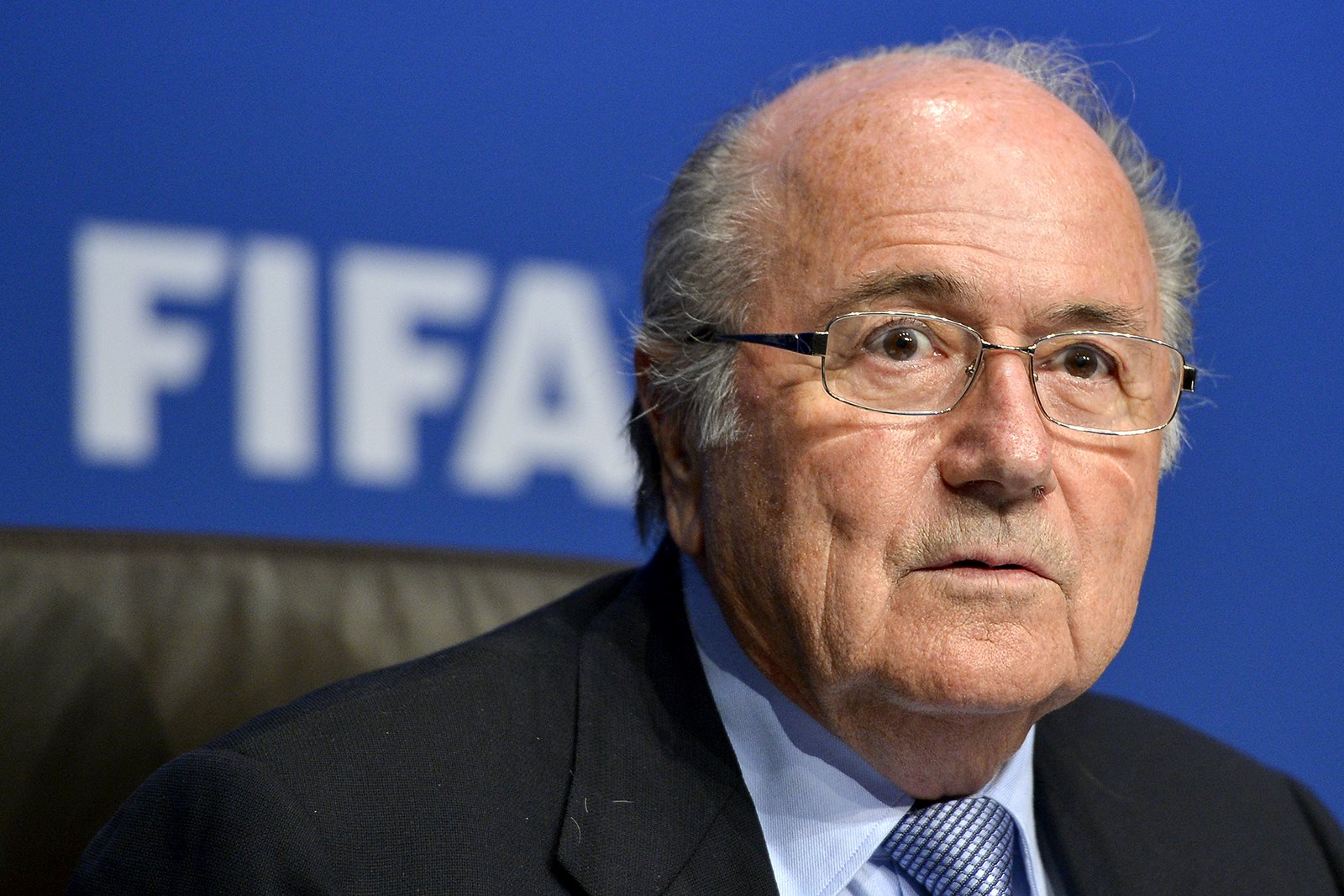
Introduction
Sepp Blatter, the long-serving President of FIFA, is a pivotal figure in the world of football. His tenure, which spanned from 1998 to 2015, was marked by both significant achievements and serious controversies. Understanding Blatter’s impact on football provides essential insights into the governance and development of the sport on a global scale.
Blatter’s Tenure as FIFA President
Blatter was elected FIFA President in 1998, succeeding João Havelange. Under his leadership, FIFA experienced substantial growth, including the expansion of the World Cup tournament and the elevation of football’s profile worldwide. He played key roles in securing lucrative broadcasting deals and sponsorship agreements that significantly increased revenue for FIFA.
Controversies and Legal Issues
Despite his successes, Blatter’s presidency was overshadowed by numerous allegations of corruption and mismanagement. In May 2015, law enforcement officials in Switzerland arrested several FIFA executives as part of a sweeping investigation into corruption, which led to Blatter announcing his resignation. He was later banned from football-related activities for six years due to ethics violations. The scandal raised questions about the integrity of FIFA’s operations and led to calls for reform within the organisation.
The Legacy of Sepp Blatter
Blatter’s legacy is a paradox. While he is credited with uplifting global football and transforming FIFA into a commercially viable entity, the allegations of corruption tarnish his accomplishments. Followers of the sport view him through a complicated lens, balancing his contributions against the backdrop of ethical failures. His strategies and decisions during his time as president continue to influence ongoing debates about transparency and governance in sports.
Conclusion
Sepp Blatter remains a divisive figure in the landscape of football. His actions have prompted significant scrutiny of FIFA’s practices, creating a demand for greater accountability within sports governance. Moving forward, Blatter’s controversial legacy serves as a cautionary tale about the intersection of power and ethics in sport, highlighting the need for ongoing reforms to ensure the integrity of football globally.