









Introduction
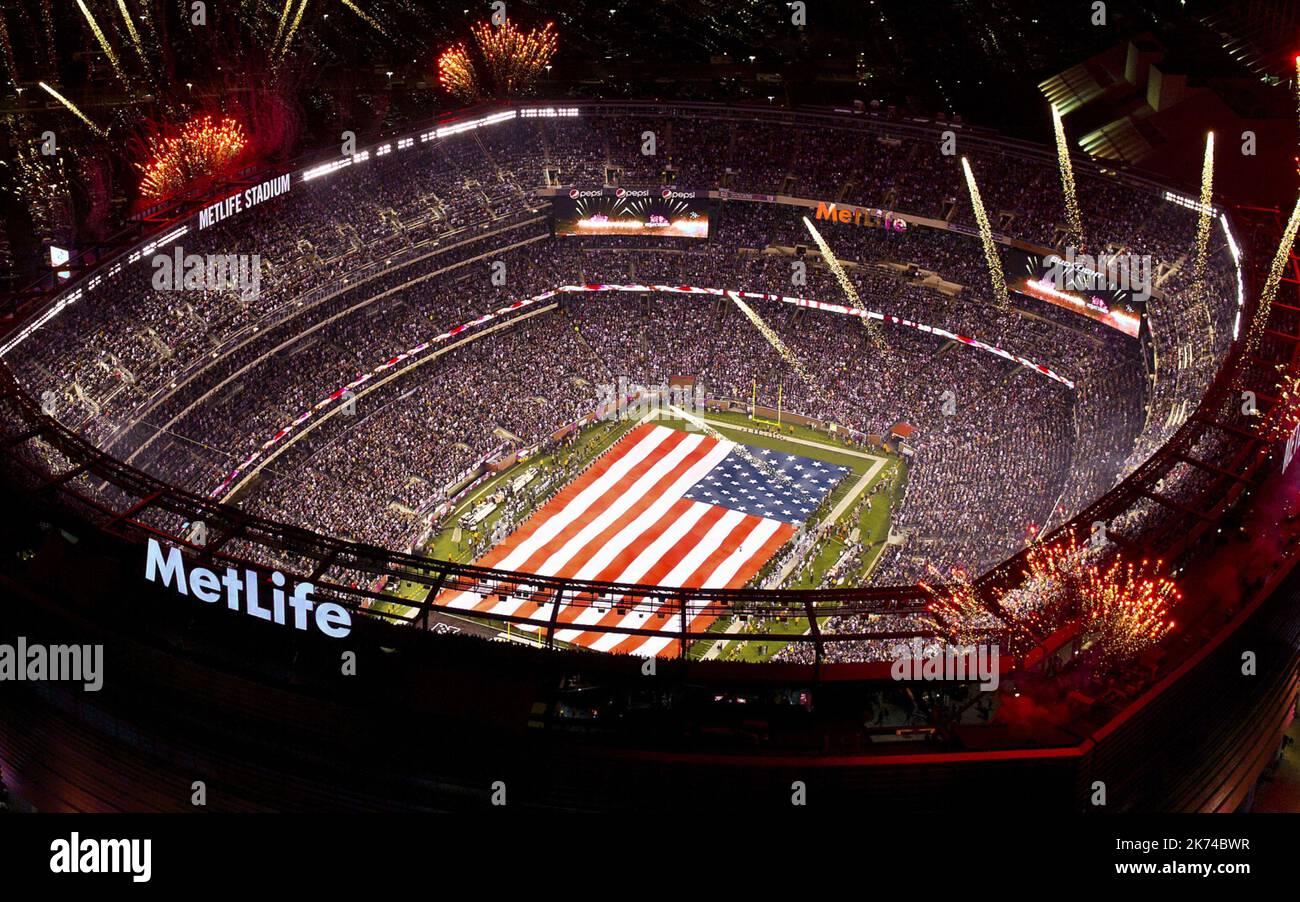
The Super Bowl, an iconic event in American sports, is not just about the game; it’s also about the venue. The Super Bowl stadium plays a crucial role in the overall experience, influencing everything from fan engagement to economic impact in the host city. As we approach the 2023 Super Bowl, the significance of the stadium, its facilities, and design comes into sharper focus.
Super Bowl LVII Venue
This year’s Super Bowl LVII will be held at State Farm Stadium in Glendale, Arizona. Opened in 2006, the stadium has a seating capacity of about 63,400, which can be expanded to accommodate approximately 73,000 attendees for special events like the Super Bowl. The venue is renowned for its advanced technology, including a retractable roof and a movable field, which allow for premium playing conditions.
Economic Impact
The Super Bowl stadium also plays a significant role in the local economy. Past events have shown that hosting the Super Bowl can generate millions of dollars in revenue for local businesses, including hotels, restaurants, and retail outlets. In 2023, Glendale anticipates an influx of over 100,000 visitors, which is expected to provide a substantial boost to the economy, creating jobs and increasing tourism.
Fan Experience and Technology
The fan experience at the Super Bowl stadium is increasingly enhanced by technology. State Farm Stadium features high-definition video boards and mobile applications that provide real-time updates and connectivity for a better viewing experience. Initiatives that improve accessibility and inclusivity have also been prioritized, ensuring that all fans can enjoy the event irrespective of their needs.
Conclusion
In conclusion, the Super Bowl stadium is more than just a place to watch a football game; it is a multifunctional space that drives economic growth, enriches fan experience, and acts as a symbol of community pride. As the 2023 Super Bowl approaches, the attention on the stadium will highlight its role in this significant cultural phenomenon, reinforcing why such venues are vital for sporting events worldwide.