









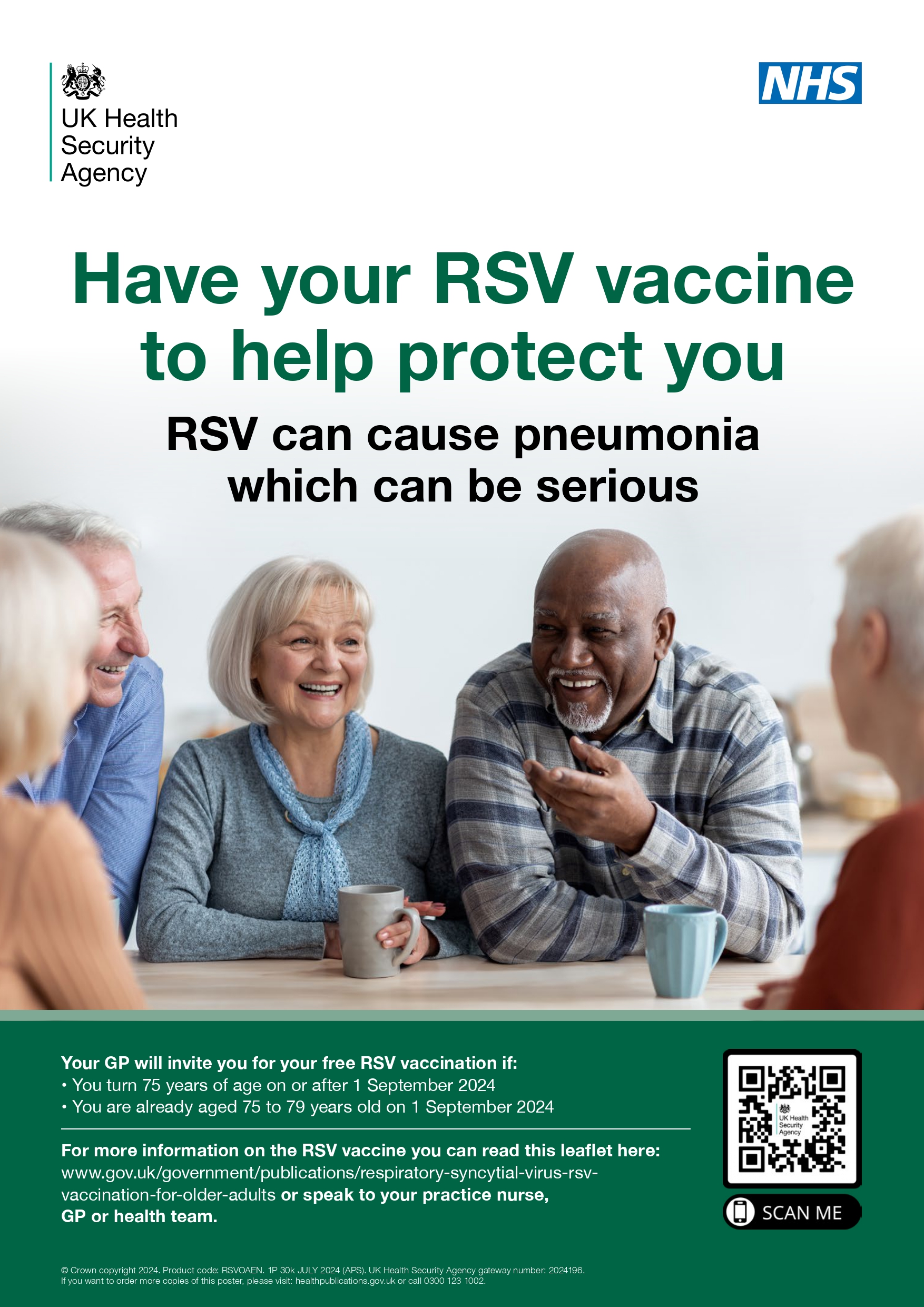
Introduction to RSV and Its Impact
Respiratory Syncytial Virus (RSV) is a leading cause of lower respiratory tract infections in infants and young children worldwide. Each year, thousands of children are hospitalised due to RSV, making it a significant public health concern. The introduction of an effective RSV vaccine could drastically reduce the incidence of this virus, offering better protection to the most vulnerable populations.
Current Developments in RSV Vaccine Research
Recent advancements in vaccine technology have led to several candidates entering clinical trials. Notably, two RSV vaccines focus on different strategies: one employs a viral vector platform, while the other uses a protein subunit to elicit an immune response. Initial findings, reported in 2023, show promising results, with one candidate achieving an efficacy rate exceeding 80% in preventing severe RSV infections in infants.
This vaccine development has garnered attention not just for its potential impact but also for the collaborative efforts between pharmaceutical companies and public health organisations. The World Health Organisation (WHO) has identified RSV vaccination as a priority area for global health initiatives, especially with looming winter seasons that often exacerbate respiratory illnesses.
Implementation and Accessibility
The rollout of the RSV vaccine brings up essential logistical considerations. Ensuring that vaccines are accessible in low-income countries remains a challenge, with disparities in healthcare resources affecting distribution. Agencies like GAVI, the Vaccine Alliance, are pushing for equitable access to ensure that children in all regions can benefit from the vaccine. Alongside this, educational campaigns are necessary to inform communities about the importance of vaccination and dispel common misconceptions surrounding it.
Conclusion: The Future of RSV Vaccination
The imminent availability of an RSV vaccine marks a significant milestone in paediatric healthcare. By providing a proactive approach to preventing severe RSV infections, the vaccine could prevent hospitalisations and reduce healthcare costs for families and health systems. As research progresses and clinical trials continue, it is imperative for healthcare providers to stay informed about new findings. This will ensure that they can adequately support vaccination initiatives and emphasise the importance of vaccinating young children against RSV, ultimately contributing to a healthier future for generations to come.