









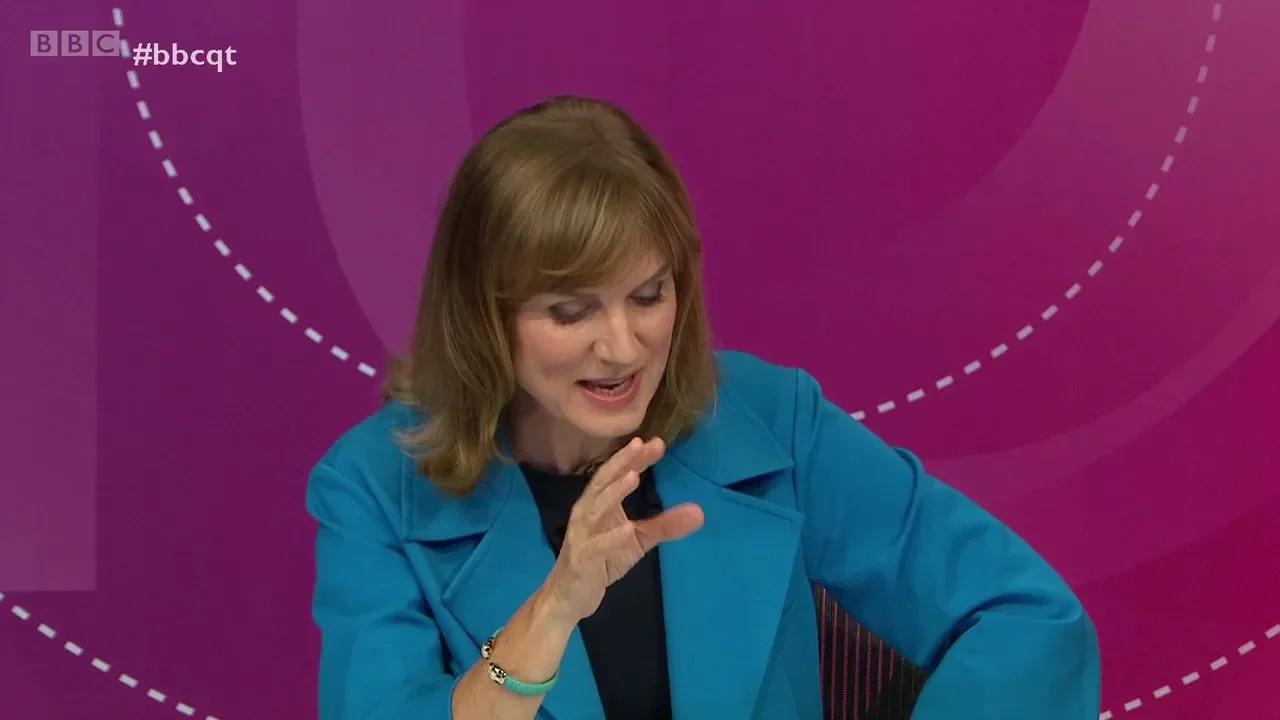
Introduction
Question Time is a hallmark of parliamentary democracy in the United Kingdom, playing a crucial role in holding the government accountable. This procedural event, which takes place regularly in the House of Commons, allows Members of Parliament (MPs) to question government ministers about their policies, decisions, and the issues affecting their constituents. The significance of Question Time extends beyond mere rhetoric; it is a vital mechanism for transparency and public engagement with the democratic process.
The Role of Question Time
During Question Time, typically scheduled for over an hour each week, various government ministers, including the Prime Minister, are queried on a range of topics. This can include anything from urgent national issues such as healthcare and education to specific local matters faced by the constituents represented by the questioning MPs. The format allows MPs to express public concerns and demand clarity or justifications about government actions.
In recent months, the nature of questions posed has evolved significantly. As the UK continues to grapple with the ongoing ramifications of Brexit and the impact of the COVID-19 pandemic, MPs have increasingly focused their questions on economic recovery, public health responses, and social justice reforms. For example, during a recent session, Labour Leader Keir Starmer challenged Prime Minister Rishi Sunak on the rising cost of living, highlighting the everyday struggles faced by many citizens.
Recent Developments
In 2023, Question Time has been marked by heightened tensions, with robust debates regarding government accountability and policy efficacy. Recent surveys suggest that public trust in government has taken a hit, making Question Time an essential forum for bringing issues to light. Furthermore, the diversity of the questioning MPs—from seasoned politicians to newer faces—reflects broader representation, adding layers of scrutiny to government performance.
Moreover, digital engagement following these sessions has surged, with many MPs using social media platforms to circulate their questions and responses, fostering greater public discussions about the matters at hand. This enhanced engagement could bridge the gap between government operations and public perception.
Conclusion
As the landscape of politics in the UK continues to evolve, the importance of Question Time remains paramount. It represents not merely a procedural formality, but a central pillar of democratic engagement and accountability. Observers predict that as public issues become increasingly complicated, the role of Question Time may expand, leading to a stronger call for government transparency and responsiveness. For citizens, staying informed about these sessions can empower them and encourage active participation in the democratic process, ensuring that their voices are heard and their concerns addressed.