









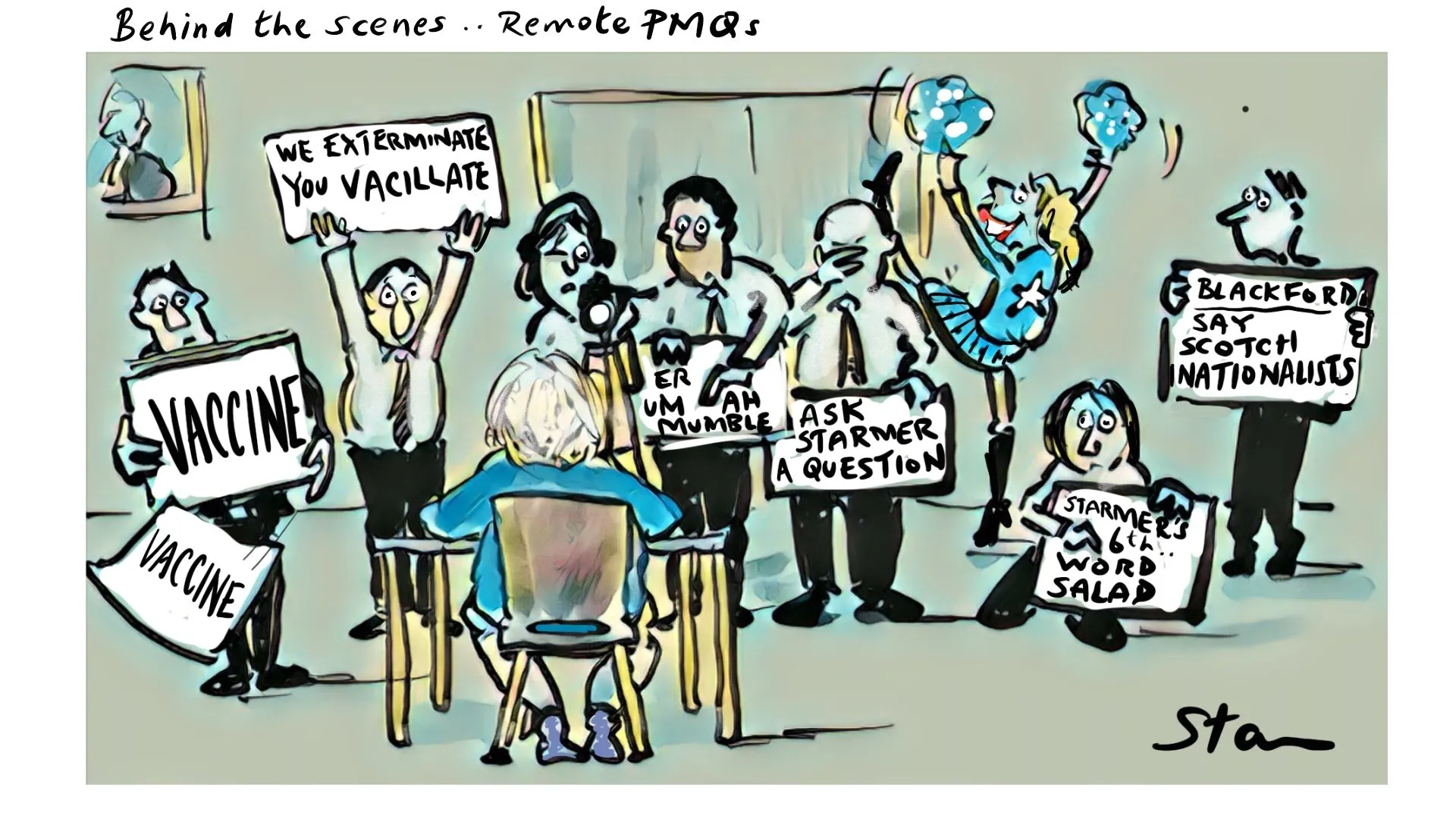
Introduction to PMQs
Prime Minister’s Questions (PMQs) is a weekly parliamentary session in the UK where the Prime Minister answers questions from Members of Parliament (MPs). Held every Wednesday, this event is a fundamental aspect of British politics, providing a platform for accountability and transparency. The importance of PMQs lies in its role in scrutinising the government’s actions and policies, allowing MPs to represent their constituents while also giving the public insight into government operations.
Structure and Format of PMQs
During PMQs, which takes place in the House of Commons, the Prime Minister faces questions from the opposition leader and other MPs. The session lasts for 30 minutes, and questions can cover a wide array of topics, ranging from current events and government policies to specific issues affecting local constituencies. The Leader of the Opposition typically starts the session with six questions, followed by questions from other MPs who are selected by the Speaker of the House. This format ensures that various voices from different political backgrounds can be heard.
Significant Recent Events
PMQs has seen heightened interest recently due to ongoing political challenges, including economic instability, the government’s response to the cost of living crisis, and international relations. For example, the recent session on October 4, 2023, saw Prime Minister Rishi Sunak grilled about the government’s handling of rising energy costs amidst global supply chain disruptions. The back-and-forth exchanges often turn heated, highlighting the contentious nature of UK politics, but also serving to inform the public on critical issues.
Impact on Governance
The direct impact of PMQs cannot be understated. It serves as a barometer for public opinion, allowing MPs to voice constituents’ concerns during the session. Furthermore, effective performances in PMQs can bolster the credibility of the Prime Minister and their government or, conversely, expose weaknesses that can lead to increased public dissatisfaction. In recent polls, government approval ratings have shown fluctuations corresponding with the Prime Minister’s performances during these sessions.
Conclusion
In conclusion, PMQs are a vital element of the UK’s democratic framework, providing a regular opportunity for government accountability. As political landscapes evolve, the significance of PMQs will remain, continuing to shape the dialogue between the government and the public. With upcoming challenges on the horizon, the performances during these sessions will be crucial in guiding public perception and influencing the direction of UK policy in the near future.